
1 Kings 17-19
I have appreciated the opportunity to read and share my thoughts with you across these seven days. We’ve traced the unfolding drama of the divided kings and kingdoms of Israel. We’ve watched the culture shift, the crowd move to and fro, and the pressure rise and fall, but through their stories, one truth rings clear: the faithful know that wisdom comes from God alone.
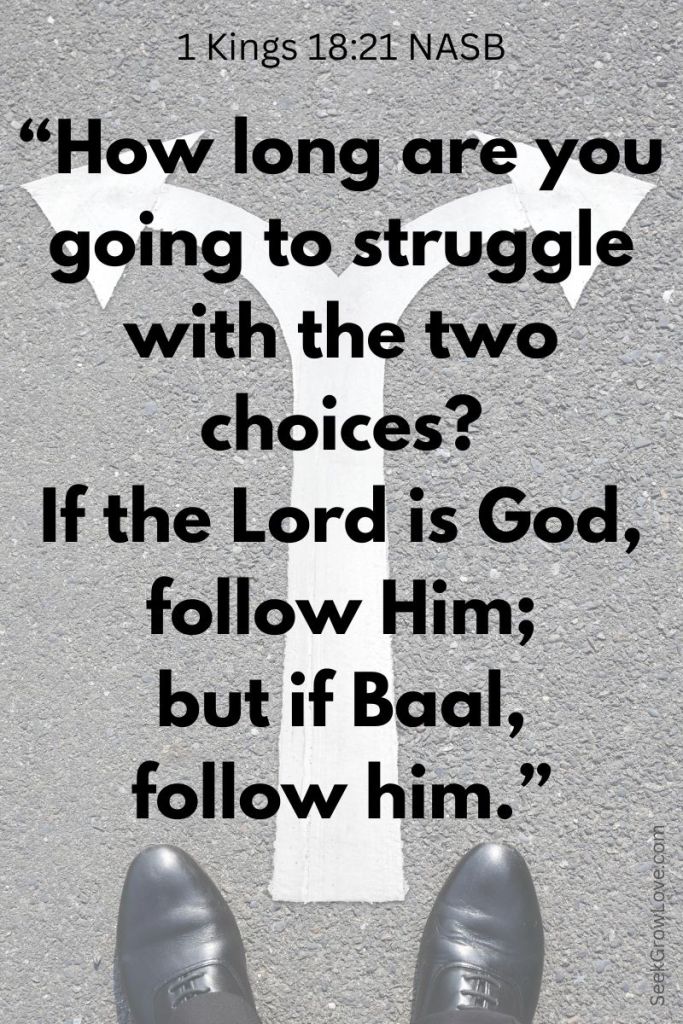
“How long will you waver between two opinions? If the Lord is God, follow him; but if Baal is God, follow him.” (1 Kings 18:21)
Looking momentarily at my own nation, America is a nation with deep Judeo-Christian roots, as many of our founding documents demonstrate a commitment to God as the architect of the law that governs us. Our motto makes mention of our trust in God, we proclaim His work in our patriotic songs, open government functions with prayer, and swear in our presidents with their hand on His Word. I am one of many who believe the blessings we enjoy as a nation—even in today’s troubling times—can be attributed to the enduring declaration that the God of Israel and the Father of Jesus Christ reigns here. Sadly, more and more are living on borrowed blessings as the altars of moral revision, self-importance, and political convenience are being fashioned and raised.
Today, we look to the prophet Elijah, who lived as a lone voice for the Lord in a nation God had once richly blessed. Elijah wasn’t trendy or tribal. His conversations with God were authentic and intimate, and he took action as one who was swiftly obedient. His faith was so personal that he was often fully dependent on the Lord even for his next meal—fed by ravens and sustained by a jar of oil and flour that never ran dry. How ready would we be to fight off the enemies of God, to recite and rely on His promises, and even to expect miracles in His name, if we lived with this kind of faithfulness?
Each of us is called to that kind of personal, committed, lived-out faith. It may seem like faith is inherited—passed down through our nation’s heritage or through family and friends—but true faith is never proximal. Hanging with a spiritual crowd, attending high-energy worship services, or serving on a ministry team are not guarantors of a relationship with the Lord. Personal faith is born in the discomfort of repentance, in the surrendering of fear, and in the offering up of our possessions. These are the intimate things God desires from us. In the abandonment of self, we begin to hear God’s call clearly—and are emboldened because we know our Creator personally.
“At the time of sacrifice, the prophet Elijah stepped forward and prayed: ‘Lord, the God of Abraham, Isaac and Israel, let it be known today that you are God in Israel and that I am your servant and have done all these things at your command. Answer me, Lord, answer me, so these people will know that you, Lord, are God, and that you are turning their hearts back again.” – 1 Kings 18:36–37
In this week’s reading, we’ve seen that change in a nation is inevitable. I pray that “In God We Trust” will continue to stand as a reminder of our nation’s steadfastness for the Lord. But however long it endures, let it always point us to something greater—our personal relationship with God, built through surrender, obedience, and faith. If the Lord is God, stand for Him—even if you stand alone. Because at the end of the day, it’s personal.
-Aaron Winner
Reflection Questions
- What character traits do you find in Elijah? Is there one you would like to have more of in your life? How would you go about adding more?
- What choices are before you today?
- Which one will you choose? Why?
 Seek Grow Love