
Nahum 1-3
The book of Nahum takes place a century after Nineveh repented following the preaching of Jonah. It took less than a hundred years for the city to return to idolatry, violence, and arrogance. Nineveh was proud of her supposed invulnerability, with walls that reached 100 feet high and a moat surrounding the city that was 150 feet wide and 60 feet deep. The Assyrians, who ruled the city, were known for being an unusually cruel and blood thirsty nation, who were spiritually and morally depraved. Not only did the leaders and inhabitants of Nineveh violate God’s laws, they often did so by preying on God’s chosen people, the Israelites.
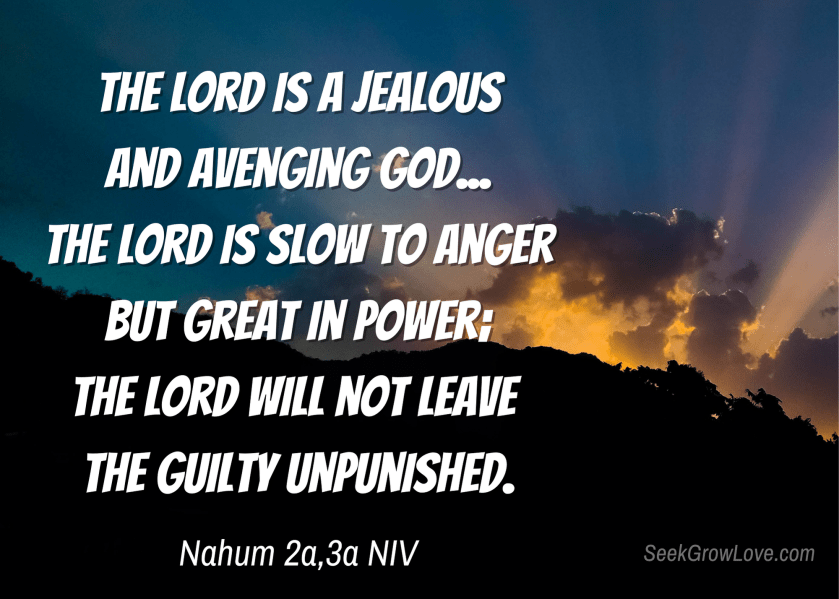
The prophet Nahum was a messenger of the divine judgement against Nineveh. The first chapter of Nahum declares the looming destruction of Nineveh and illustrates God’s power as an omnipotent, holy, and jealous God who will punish the wicked to avenge his own. Although He is a jealous God, he is also slow to anger and is long-suffering. Remember, he nearly destroyed the city one hundred years earlier, in the time of Noah. Despite his mercy and patience, His righteousness, holiness and justice prevent Him from leaving the wicked unpunished. Nahum announced God’s specific judgement against Nineveh, interweaving blessings and hope for Israel. Judah was to be no longer afflicted by Assyria, rather God would vindicate them, as He is the stronghold and fortress to those who put their hope in Him.
The second chapter of Nahum vividly details the future assault of Nineveh, at the hands of Nebuchadnezzar of Babylon. God’s vindication is justified through depictions of Nineveh’s treachery against her enemies. In verse 13, God himself declares, “Behold, I am against you” – not something that any person or nation in the world should want to hear!
Chapter three continues to detail the arrogance of Nineveh, as well as details of their fate and God’s righteous wrath against them. Our Heavenly Father won’t allow arrogant or violent empires to endure forever. Nineveh’s fate is a testimony of God’s commitment to bring down the arrogant in every age. God is grieved by the death of the innocent and his goodness and justice compel him to allow the downfall of oppressive nations.
Nahum 1:7 declares, “The Lord is good, A stronghold in the day of trouble, And he knows those who take refuge in Him.” May we all humble ourselves before God’s justice and trust in His sovereignty and timing to punish the oppressors of this present, evil age.
Prayer:
God, you are awesome, omnipotent, holy, mighty and just! We pray that our nation, her leaders, and her people would humble ourselves and turn to you. May we submit to your ways, trust in your plans, obey your laws and seek your righteousness. Father, forgive us for putting our trust in mankind and things of this earth, rather than fully depending on you. You are our strength, our hope, and salvation! In your precious son’s name, we pray – Amen.
Reflection Questions:
• How might you react if you were a citizen of Nineveh hearing this prophecy?
• How can the people of Nineveh’s actions serve as a warning for modern society?
• How does this chapter influence your understanding of sin and its consequences?
• How does Nahum 1 influence your understanding of God’s protective love for His people?
-Beth Osborn
 Seek Grow Love