
Numbers 35-36
Psalm 23
Mark 8
-Devotion by Aaron Winner (SC)
On any given day in Israel, the sounding of an alert can send an entire city scrambling toward a miklat—a bomb shelter—seeking safety from the enemy’s incoming attack. While this would not be commonplace for most of us, this is just another routine feature of Israeli life, a reality woven into the mandated architecture of homes, hospitals, and schools. These shelters stand as silent witnesses to the real persistent threat, offering all within its walls refuge from the destruction.
We can find the use of this word in Ancient Israel too, describing again, protection from harm, although the enemies are more likely to be within the same walls. In Numbers 35:6–15, God commands the establishment of six cities of refuge, places where those guilty of involuntary manslaughter could flee for safety. These cities were not loopholes for the guilty, but lifelines for the vulnerable—spaces of mercy in the midst of justice. Without them, the accused would face certain death at the hands of an avenger. With them, they were given time, protection, and the hope of appeal and even restoration. God used the physical space to deliver a message of hope for his people.
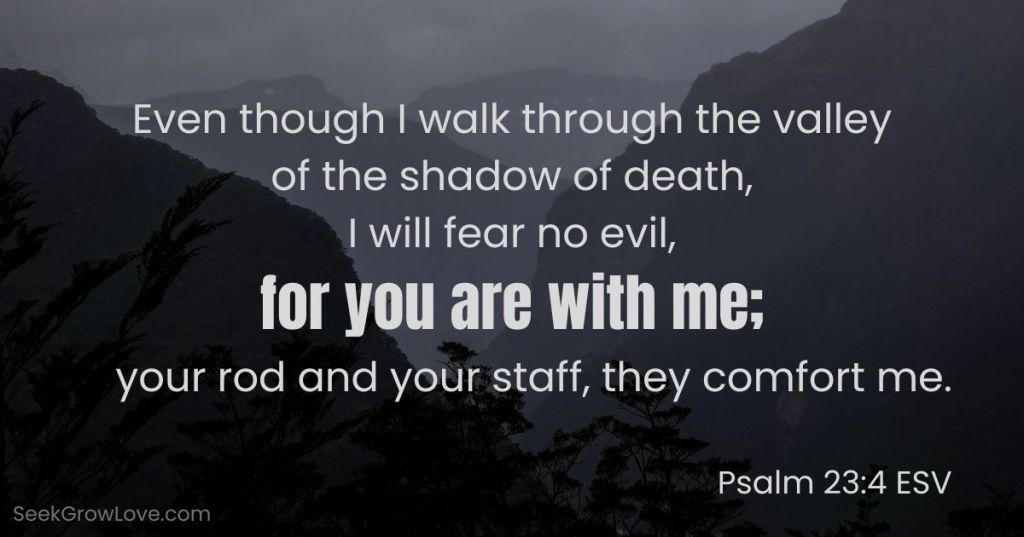
That truth echoes in Psalm 23:4–6, where the psalmist walks through “the valley of the shadow of death” yet fears no evil. Why? Because refuge is no longer merely a place; it is a presence. “For you are with me.” In seasons of fear, sorrow, or struggle, our instinct is often to run—to escape, to deny, or to despair. Yet the Shepherd leads us differently. He guides us to green pastures and still waters (Psalm 23:2), even though it may look more like scorched earth than scenic mountain hike. A family singing hymns in the dim light of a bunker, the shared hope in a friend’s embrace as we grieve, a desperate flight from addiction that leads you back to the Word of God, all can be reminders of a present, working God.
In the same manner, we find this constant companionship in Jesus Christ. As the fulfillment of the Law, He becomes our ultimate miklat, both the bearer and redeemer of our sin. In Mark 8:1–9, Jesus feeds the four thousand, revealing Himself as the true Bread who satisfies not only physical hunger but a far greater spiritual need. Just as those awaiting the Gospel message outside of the boat, we neither have the strength to stand judgment nor the ability to walk to the next town over. Our miklat is built in the foundation of salvation’s careful plan, so let us be constantly reminded we can run to His refuge at any moment.
Reflection Questions
- When and where have you experienced God’s refuge?
- What might God’s refuge look like in a current situation you face?
- How can you be a part of offering God’s refuge to someone who feels like they are in a dark valley?
Prayer
Dear Heavenly Father, giver of all life and true refuge, thank you for providing refuge and giving the gift of Your Son and salvation. Help me see and feel that You are near. Even when my situation doesn’t change, Your presence calms and shelters me. Show me where and how I can share You, Your strength, Your guidance, and Your peace with others. In Jesus’ name I pray.

 Seek Grow Love