
Old Testament: 2 Samuel 18 & 19
Poetry: Proverbs 5
New Testament: Ephesians 3
As President of the United States, Abraham Lincoln is uniquely positioned in American history as the only leader of a broken country. No matter who he chose to serve in his cabinet, how empathetic his staff was to his role, how much they helped to shoulder the load or strengthened his areas of weakness, no one can truly understand the weight borne by the Commander-in-Chief, whose presidency was the bookends to rebellion. A great example of this can be seen in Vicksburg, a Union siege took out the Confederate stronghold on the Mississippi which was a key route for reinforcement and supplies. While this battle represented a great public triumph for Lincoln’s side, it also held personal tragedy. Lincoln received the report that his brother-in-law, a Confederate general, was killed in battle. It was stated by those surrounding him they never saw the president more moved during the war than when he received this news.
Likewise, David’s emotions in victory are complex. Tens of thousands of men look to their king to champion their victory, no doubt hearing stories of how he famously danced in the streets as the Ark made its way into the city. Instead, they see the lament of a father’s cry. Great leaders, more than anything else, are human; however, the weight of leadership will undoubtedly tip the scales in favor of fostering commitment, vision, and hope for followers, rather than abandonment trials and tragedy. Joab’s words seem insensitive, “You love those who hate you and hate those who love you. You have made it clear today that the commanders and their men mean nothing to you. I see that you would be pleased if Absalom were alive today and all of us were dead. (2 Sam 19:6) ” but they are actually encouragement to a leader who has made a personal sacrifice to acknowledge that tens of thousands of others had done the same.
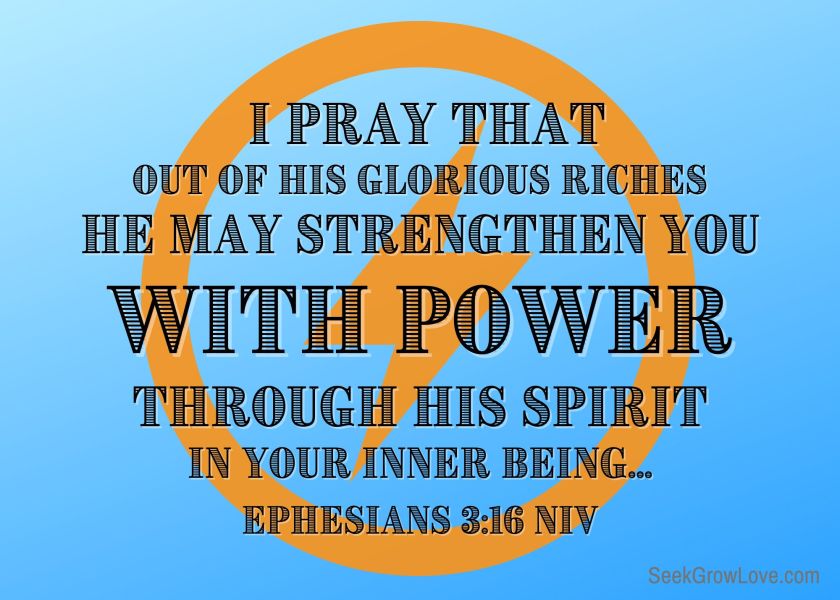
The words of Jesus could be thought equally cutting and unfeeling, “Let the dead bury their own dead, but you go and proclaim the kingdom of God. (Luke 9:60).” Our ministries do not stop because we face conflict or personal tragedy. Conversely, I would say this is when our ministry and testimony are spotlighted. By the standards of the world, this conflict provides permission to act selfishly, but when we bear our burdens with the Kingdom of God at the forefront, we lean on God and lead others to the Good News. Paul makes mention of this in Ephesians 3. He tells the church at Ephesus not to worry about his suffering, because it is for their sake and to the glory of God. The same circumstance is both a victory yet a personal hardship. Paul instead lifts those he leads in prayer, asking for the strength of the Holy Spirit to guide those for whom the letter was intended, and likewise, encourage us today. No matter what scale Paul used, no matter what was placed in the balance, the weight of the Kingdom of God far outweighed any loss. This sentiment is again echoed from his prison cell to the church at Philippi when he states:
“What is more, I consider everything a loss because of the surpassing worth of knowing Christ Jesus my Lord, for whose sake I have lost all things. I want to know Christ—yes, to know the power of his resurrection and participation in his sufferings, becoming like him in his death, and so, somehow, attaining to the resurrection from the dead.” – Phil. 3:8,10
While we may not be ready to ask for suffering like Paul, tragic circumstances are the nature of this world. It may be an unfamiliar posture, but our grief, our battle, and our dire circumstance is an opportunity to demonstrate the assurances we have, to revel in the joy and love of God. We must look for opportunities to pray for and encourage others who may be participating in the same battle, asking God to give them the strength to see the victory too. Yes, we must bear, and even welcome, hardship for the sake of the Kingdom of God because, with the help of God, we can lead within it, bringing others to the saving knowledge of Christ Jesus.
-Aaron Winner
Reflection Questions
- What do you learn about leadership from David? From Paul?
- What do you think of the statement: “No matter what scale Paul used, no matter what was placed in the balance, the weight of the Kingdom of God far outweighed any loss.” Do you see this in Paul’s life? Do you see this in your own life?
- Who will you pray for strength to see the victory?
 Seek Grow Love