
OLD TESTAMENT: Isaiah 57 & 58
POETRY: Psalm 110
NEW TESTAMENT: James 5
Isaiah 58:6-7 (LEB):
“Is this not the fast I choose: to release the bonds of injustice,
to untie the ropes of the yoke,
and to let the oppressed go free,
and tear every yoke to pieces?
Is it not to break your bread for the hungry?
You must bring home the poor, the homeless.
When you see the naked, you must cover him,
and you must not hide yourself from your relatives.”
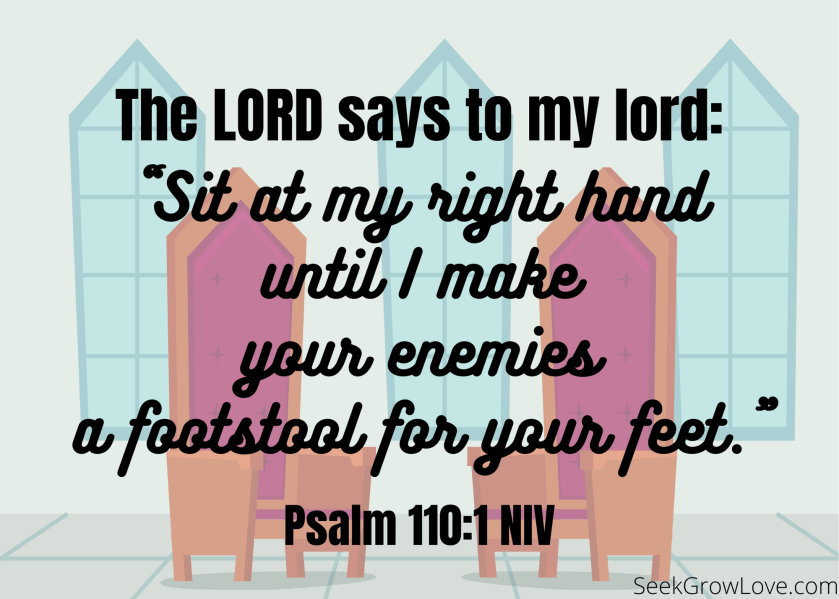
Psalm 110:1-2 (LEB):
“Yahweh declares to my lord,
‘Sit at my right hand
until I make your enemies your footstool.’
Yahweh will send out your mighty scepter from Zion;
rule in the midst of your enemies.”
James 5:8-9 (LEB):
“You also be patient. Strengthen your hearts, because the coming of the Lord is near. Do not grumble against one another, brothers, so that you may not be judged. Behold, the Judge is standing at the doors!”
Isaiah 57 highlights the wickedness of the people, contrasting their idolatrous practices with the righteousness God desires. The chapter serves as a warning against superficial worship and the danger of following our own desires. However, Isaiah 58 provides a blueprint for what true righteousness looks like. God calls His people to a life of justice, mercy, and compassion—acts of righteousness that reflect His heart.
The fast that God desires is not one of mere ritual, but one of active love and justice. Releasing the oppressed, feeding the hungry, housing the homeless, and clothing the naked are the tangible expressions of worship that please God. These acts of mercy demonstrate a heart aligned with God’s purposes, as opposed to empty religious practices that neglect the needs of others.
Psalm 110 speaks prophetically about the Messiah’s reign. It describes a vision of the Lord’s anointed seated at the right hand of God, with His enemies made a footstool beneath His feet. This psalm points to Jesus Christ as the exalted King and Priest, who rules with power and authority.
As we reflect on the reign of Christ, we are reminded that no matter what challenges or opposition we face, Jesus is given all authority, and his victory is assured. He rules in the midst of his enemies, and God’s people are called to trust in the ultimate triumph achieved through Christ. Psalm 110 provides a powerful reminder that Christ’s kingdom is both now and not yet—he reigns even as we wait for the fullness of his victory to be revealed.
James calls believers to patience as they await the coming of the Lord. He uses the example of the farmer who waits for the precious crop, trusting that the rains will come in their time. In the same way, we are to strengthen our hearts and remain steadfast in the face of trials, knowing that the Lord is near.
James also warns against grumbling and impatience with others, encouraging believers to live in unity and peace. The passage reminds us that we will be held accountable for our actions and words, and that God, the righteous Judge, is always watching. We are called to endure suffering with patience, just as the prophets and Job did, trusting in God’s faithfulness through it all.
This week, let Isaiah 58 challenge you to live out true righteousness by pursuing justice and compassion. Trust in Christ’s sovereign reign as declared in Psalm 110, and ask God to strengthen your heart as you patiently endure trials, knowing that the Lord is near. Let your life reflect the love, unity, and hope that comes from living in light of his victory and imminent return.
-Jeff Ransom
Reflection Questions:
How can you actively live out the righteousness described in Isaiah 58 in your daily life?
In what areas of your life do you need to trust in Christ’s reign, knowing that he is seated at the right hand of God with all authority?
How can you strengthen your heart in times of trial, and what does it mean for you to patiently endure as James encourages?
Are there relationships or situations where you are tempted to grumble or grow impatient? How can you bring those before God and seek His peace and patience?
 Seek Grow Love