
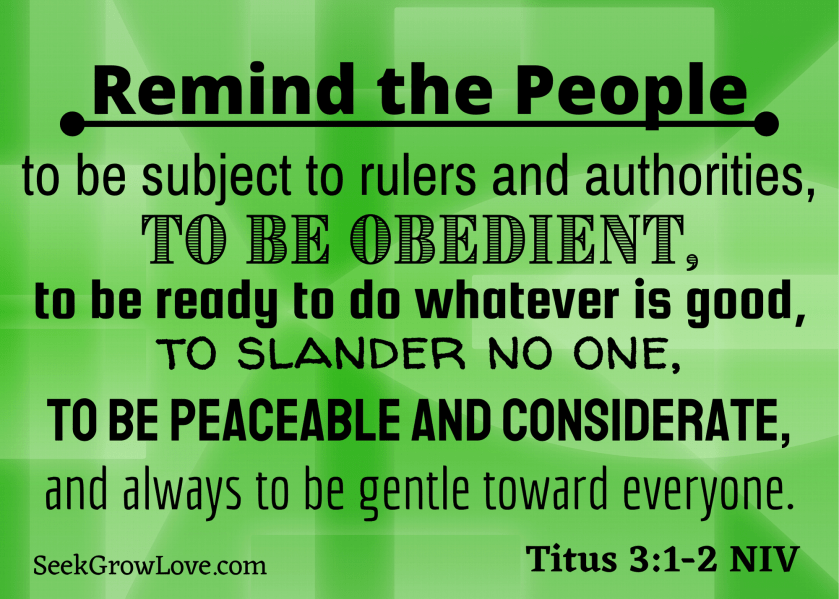
Titus 1-3
Devotion by John Tullis (OH)
Everyone likes to get a letter in the mail! Especially around Christmas time. Getting a letter from a friend or loved one might seem old fashioned, but letters have a way of being more personal and intimate. Receiving a letter from a mentor or person you respect is especially important when the letter includes an important message.
The Book of Titus is a letter written by Paul to his “true son in the common faith” Titus. Titus was an early Christian leader and a close friend of the apostle Paul. He is best known as being the leader of the churches in Crete and Corinth. He was sent by Paul to these churches to help them solve problems. In this letter, he asks Titus to ask the people in the churches to stop arguing with each other over silly things and to focus on doing good things in the name of Jesus.
To help the church at Crete, Paul sent recommendations on how to pick good leaders to look after the church (Titus 1:5-9). Having leaders who are qualified is important in leading a church. Like shepherds of a flock of sheep, the “elders” of the church look after us and protect us from making mistakes that can harm us. Their job is to help us do good works for God.
Paul also reminds us that we should always do good because we are Christians. Paul writes that the grace of God “teaches us to say ‘No’ to ungodliness and worldly passions”. As Christians we should always seek to serve other people and be good to them. Sometimes it is hard to live obediently for God. Paul asks us to be “self-controlled” and live upright and godly lives. It’s not easy, but God wants to help us and to “purify for himself a people that are his very own, eager to do what is good”. (Titus 2:11-15).
It is important to always remember that God has shown His mercy to us not only because He wants us to be good, but so that He could adopt us into His family. Paul hopes that each of us “might become heirs having the hope of eternal life” (Titus 3:7). Living a godly life is how we declare our thankfulness for His great mercy. As we accept God’s gift of grace, it makes us want to do good things for the Kingdom of God.
Questions for Discussion:
- In Titus 2:2, what does it mean to be “self-controlled”?
- What does Paul mean when he says to “avoid foolish controversies” in Titus 3:9?
 Seek Grow Love