

1 Samuel 1-3
The decisions of our family members affect us. Growing up, I attended a public school where many teachers and staff knew my dad. Whether it was because he was working as a substitute, looking for a teaching position, or something else, they knew him and often told me something along the lines of, “You better be on your best behavior because I know your dad.” I’m sure my older brother heard this many times, and I’m not sure about my younger siblings. Regardless of that detail, my younger brother has been called by my older brother’s name before (maybe because of their similar competitive spirit or fast mile times in P.E.). Yet, my siblings and I know very well that if something bad were to happen at school, somehow or someway it would find its way back to our parents (even if it had to be via carrier pigeon). My siblings and I did/do very well at staying out of trouble, but we weren’t/aren’t perfect (and I’ll spare you from those details).
When my older brother signed up for the morning choir, it changed my school life and routine. I didn’t want to ride the bus, and I couldn’t drive, so the best option was to get up earlier and ride with my brother (and wait until the rest of my friends arrived). At that time, I disliked my brother’s decision very much. However, this eventually led me to become interested in morning choir, learn all the musical parts I could, somehow end up singing in the choir for the last two years of high school and being involved in two musicals/plays. After looking back at my older brother’s decision, I am grateful for it (even though I lost some sleep here or there). Our actions can dissipate and impact the lives of those around us (for better or for worse), and in today’s reading Eli’s actions are no different.
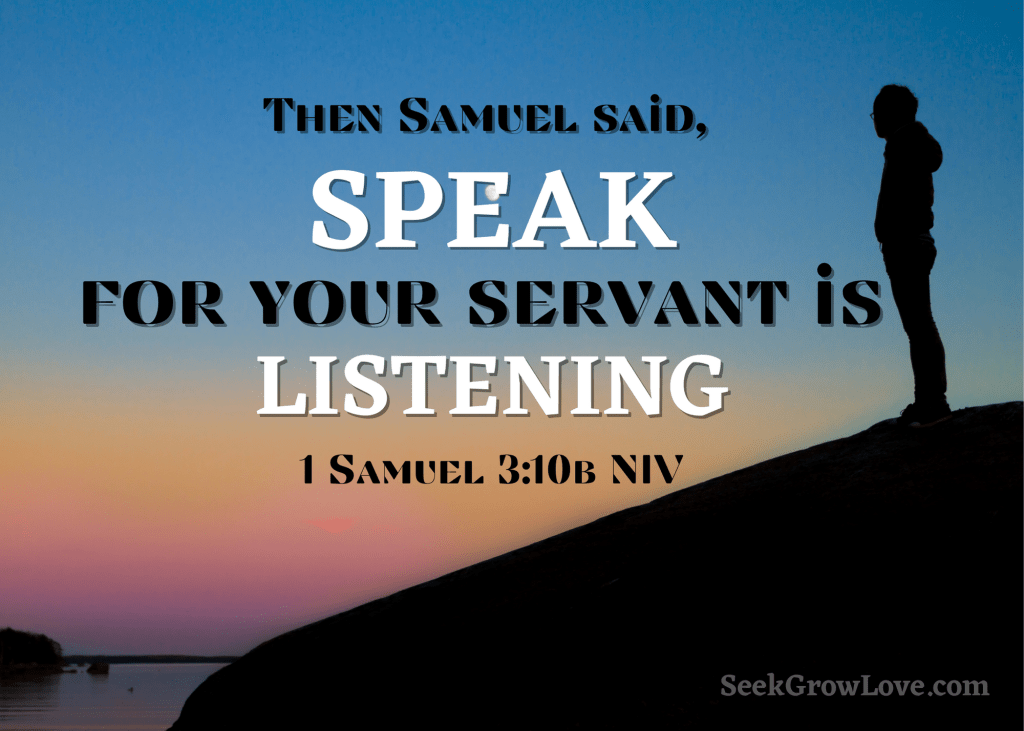
My parents taught us that our decisions and indecisiveness have consequences. As Laurie Buchanan said, “Whatever we are not changing, we are choosing.” Eli made a few poor decisions that resulted in the downfall of his family before God. We might think that Eli was innocent when we read 1 Samuel Chapter 2, but 1 Samuel Chapter 3 tells us the reality of his situation. He didn’t do anything about his son’s sins nor restrained them from sinning (3:13). He needed to hear from God, a friend, or his wife something along the lines of Proverbs 13:24 which states, “Whoever spares the rod hates his son, but he who loves him is diligent to discipline him.” Or, perhaps he knew this concept and simply continued his daily practices disregarding this information (though I think this is more unlikely). Whatever the case may be, Samuel (Hannah and Elkanah’s son) was dedicated to the LORD (1:28) and grew in stature and favor with the LORD and people (2:26). He was the result of his parents’ good decision(s) and didn’t follow in the ways Eli and his sons acted. His parents understood Proverbs 22:6 which states, “Train up a child in the way he should go; even when he is old he will not depart from it,” likely before it was written. It is important to know the words of God, obey them, and be an example to those around us (even when we think others aren’t looking or paying attention).
-Jeffrey Seiders
REFLECTION Q’s
- Eli knew the words of the LORD and yet acted disobediently. Are there times when you’ve acted disobediently even though you knew what God’s word says? What happened as a result of your disobedience? How can you get “back on track?”
- Eli’s sons acted as if their father wouldn’t correct them. How have you acted in a way that you thought God and/or your parents wouldn’t correct you? What are the consequences of your actions? In what ways can God teach you through your consequences?
- Samuel grew in favor with the LORD and with people. How can you change your actions and mindset to grow in favor with the LORD and bring people closer to Him?
 Seek Grow Love