
Numbers 18-20
Back in 1847 a doctor named Ignaz Semmelweis noticed that, through several events, women who had died of postnatal fever had been attended during the birth by doctors who had just done autopsies. Semmelweis came up with the idea that doctors should wash their hands between autopsies and births. And all of us collectively think… well yeah! Of course! But this was not part of the course of a doctor’s day at the time. In fact, many doctors were offended at the suggestion they weren’t clean. Semmelweis was absolutely ridiculed and eventually driven mad. He was placed in an asylum where he died within two weeks, ironically from an infection, after being beaten by prison guards.
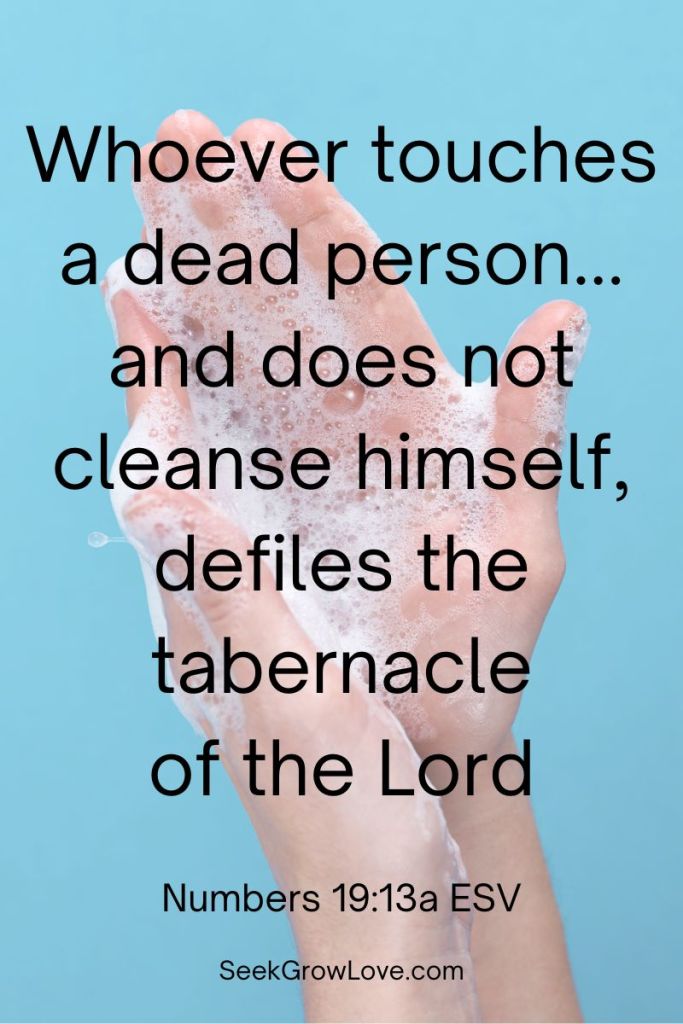
Perhaps these doctors should have referred to today’s reading. After discussing the duties of the Levites in Numbers 18, Numbers 19 discusses being “unclean” for 7 days after touching a corpse for any reason. Definitely something these doctors should have taken note of.
Much is said about what is clean and unclean in the Pentateuch. The Israelites certainly benefited physically from not touching dead bodies or eating pork. Some issues of cleanliness could not be helped, such as touching the dead or having a monthly period. In these cases, people were unclean for a time and then had to wash themselves in special ceremonies and offer sacrifices.
But God did not delineate what was clean and unclean just for hygiene’s sake. God also wanted the Israelites to be set apart, different than the rest of the world, holy.
We are to come before Him with clean hands and pure hearts (Psalm 24: 4). But there are times when we become unclean and need someone who can wash us white as snow. Praise God for providing the sacrifice that completely cleans us, His Son, Jesus Christ.
We’ve come a long way since 1847. Hand washing is the first skill nurses have to demonstrate before moving on to other skills. As you wash your hands today, keep in mind the One who cleans you completely!
-Maria Knowlton
Reflection Questions
- What can we learn from Ignaz? What can we learn from the doctors who ridiculed Ignaz, believing that they themselves were clean?
- Does God still want His people today, the church, to be clean, holy and set apart? What does that look like? What does it look like to have a church that is dirty/stained, unholy and blending in with the world?
- Are there any common practices today that you think might be making many Christians unclean before the Lord?
- What is the only way you can come before God clean? If you accept Jesus as Lord of your life, are there still things you do that make you clean and unclean? How might Numbers have been preparing God’s people for Jesus?
 Seek Grow Love