
OLD TESTAMENT: Isaiah 65 & 66
POETRY: Psalm 114
NEW TESTAMENT: 1 Peter 3
Isaiah 65:17-18 (LEB):
“For look! I am about to create new heavens and a new earth,
and the former things shall not be remembered,
and they shall not come to mind.
But rejoice and shout in exultation forever and ever
over what I am about to create!
For look! I am about to create Jerusalem as a source of joy,
and her people as a source of gladness.”
Isaiah 66:2 (LEB):
“For my hand made all these things,
and all these came to be,” declares Yahweh.
“But I look to this one: to the humble and the contrite in spirit,
and the one who trembles at my word.”
Psalm 114:7-8 (LEB):
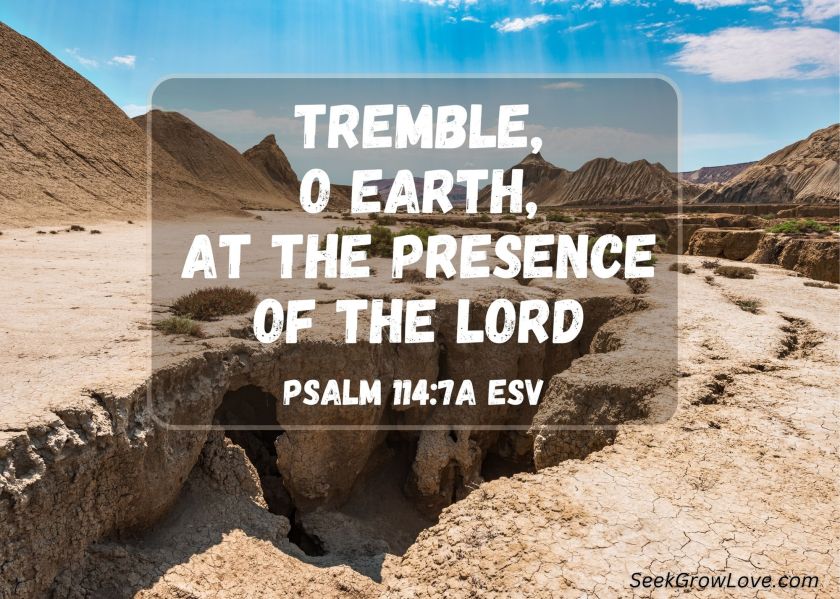
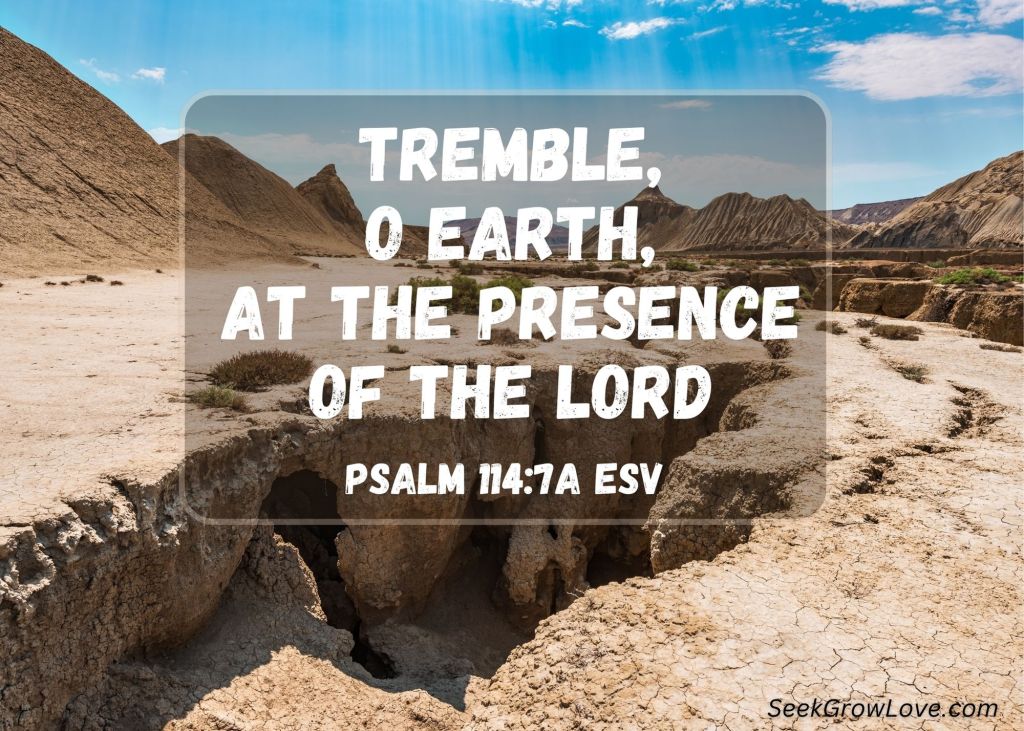
“Tremble, O earth, at the presence of the Lord,
at the presence of the God of Jacob,
who turns the rock into a pool of water,
the flint into a fountain of water.”
1 Peter 3:8-9 (LEB):
“Finally, all of you be like-minded, sympathetic,
showing mutual love, compassionate, humble,
not repaying evil for evil or insult for insult,
but on the contrary blessing others,
because for this reason you were called,
so that you could inherit a blessing.”
In Isaiah 65, God speaks of a future where He will create new heavens and a new earth, where the pain and sorrow of the former world will be forgotten. This promise is not only a vision of a restored creation but a source of deep joy for God’s people. Jerusalem, once marked by suffering and loss, will become a place of gladness, and its people will experience the fullness of God’s grace and redemption.
As we move into Isaiah 66, the prophet emphasizes the kind of people God looks to in this time of renewal: those who are humble, contrite in spirit, and who tremble at His word. This passage reminds us that God’s renewal is not just about external transformation but also about the transformation of the heart. God values a spirit that is humble and reverent before Him, acknowledging His greatness and responding in obedience to His word.
Psalm 114 recounts the mighty works of God during the Exodus, as He led Israel out of Egypt and through the Red Sea. The psalm paints a vivid picture of the earth trembling at God’s presence. The seas part, the mountains skip, and rocks turn into pools of water. This psalm highlights the awe-inspiring power of God over all creation, reminding us of His authority to transform not only nature but also our lives.
As the earth trembles at God’s presence, we are called to approach Him with reverence. Just as He turned the hard rock into flowing water, God can bring life and renewal to the hardest and most barren areas of our lives. In times of dryness or difficulty, we can trust in God’s power to transform our circumstances and bring about new life.
1 Peter 3 encourages believers to live in harmony with one another, showing compassion, humility, and love. Peter calls us to be sympathetic and humble, responding to evil and insult not with retaliation but with blessing. This instruction reflects the heart of Jesus’ teachings on loving our enemies and blessing those who persecute us (Matthew 5:44). As followers of Christ, we are called to embody a radical love that seeks peace and extends grace, even in the face of opposition.
Peter’s reminder that we are called to inherit a blessing is significant. As we bless others, we align ourselves with the heart of God, who has blessed us richly through Christ. Our identity as recipients of God’s mercy and grace empowers us to live in ways that reflect His love to the world.
This week, meditate on the renewal God promises in Isaiah, the power He displays in Psalm 114, and the call to humble, compassionate living in 1 Peter. Let these truths remind you of God’s ability to transform both your life and the world around you, as you seek to live in harmony with others and bless them in Christ’s name.
-Jeff Ransom
Reflection Questions:
How does the promise of a new heaven and new earth in Isaiah 65 inspire hope in your daily life, especially in the midst of challenges or sorrow?
What does it mean to you to have a “humble and contrite spirit” before God, as described in Isaiah 66? How can you cultivate this posture in your relationship with Him?
Reflect on the power of God over creation as seen in Psalm 114. How can you trust in His transforming power in areas of your life that feel difficult or barren?
In what ways can you embody the compassionate and humble living described in 1 Peter 3? How can you actively bless others, even when faced with opposition or insult?
 Seek Grow Love