
Matthew 12:22-50 & Luke 11
Imagine this absurd scenario. . . “Daddy, can I have some fish?” “No son, but instead here is a plate of snakes”. . . . “Daddy, can I have some bread?” “No daughter, but instead here is a plate of scorpions”. Jesus used this extreme example to illustrate the goodness of God. He points out that if parents, imperfect as they are, would never offer snakes or scorpions to their children, imagine what would be provided from God, a perfect Father who takes delight in providing for his children. The phrase, “how much more” is used to engage our imagination about how a loving Father provides for His people if only he is asked.
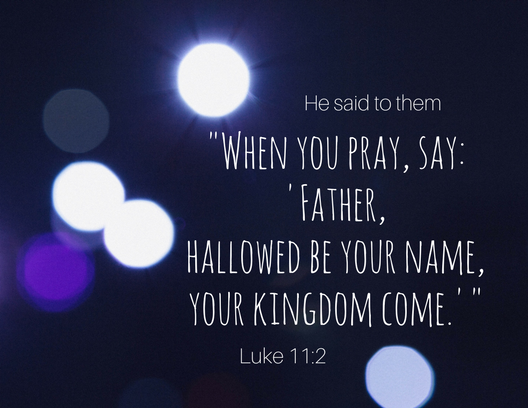
Luke 11 puts an intense focus on the importance of prayer in the life of a Christian. He begins with Jesus providing what we know as The Lord’s Prayer as a suggested guide for how to pray but then segues quickly into why we pray and how it works in the lives of believers. He gives an illustration of going to a friend in the middle of the night and pounding on the door requesting bread to share with another. While the friend will initially say, “Go away”, he will eventually give in due to the persistence of the request and repeated (and I’m sure annoying) knocking. The message is clear. . .ask for what you need and be persistent in your prayers.
Jesus used three verbs to help in our approach to praying. . . Ask, Seek and Knock. These three verbs involve three different senses. Asking is verbal—becoming aware of what you need and verbalizing it to God. Seeking is cognitive—determining priorities and focusing the mind on what is being asked in order to go deeper and be more engaged with the request. Finally, knocking implies using intentional actions and behaviors toward the request. The use of these verbs in the Greek are “present imperatives” which suggest continuous and persistent prayers. In other words, keep asking, keep seeking, keep knocking with these commands being followed by promises from a loving Father. If you ask, you receive, if you seek you will find and if you knock, the door will be opened. It is discovering that prayer is more than just making requests; it is about building a relationship with a loving Father who only wants to give good gifts to his children. It is discovering that God is not reluctant, but responsive. By this ongoing relationship with Him through persistent prayer, we deepen our relationship with Him and experience his faithfulness.
Questions for reflection:
When have you experienced the faithfulness of God in answering prayers?
How does the phrase “how much more” impact your approach to praying?
How has your relationship with God deepened because of your prayer life?
How might using those present imperative verbs of asking, seeking and knocking impact your prayers?
How does viewing God as Father change the way you approach him in prayer?
How does persistence in praying change your relationship with God?
 Seek Grow Love