Leviticus 16-18


The next couple chapters we see the ordination of Aaron and his sons. They are anointed to become the first priests of Israel. They are cleansed, had anointing oil placed on them and then also the blood of a ram sacrifice.
Once we get past how awkward this seems, I was interested in 8:23-24.
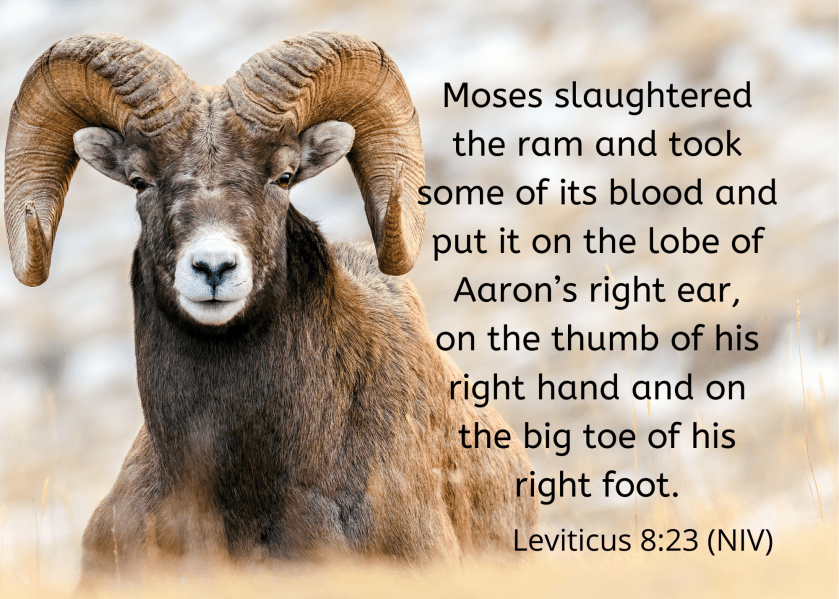
23 Moses slaughtered the ram and took some of its blood and put it on the lobe of Aaron’s right ear, on the thumb of his right hand and on the big toe of his right foot. 24 Moses also brought Aaron’s sons forward and put some of the blood on the lobes of their right ears, on the thumbs of their right hands and on the big toes of their right feet.
He took some of the blood and placed it in 3 specific areas on both Aaron and his sons; the ear, thumb and big toe. Each seems to have a pretty obvious connection.
The ear: Listen – They needed to listen to God’s commands so that they would be careful not to disobey Him.
Thumb/hand – Actions – We use our hands to carry out most of our actions. I think God was telling Aaron and his sons that they were not merely to listen, but to act on God’s commands. (Kind of like James 1:22 – be doers of the word)
The Big toe/foot – Our walk and where we go – I have read that the big toe carries the most weight and gives the foot balance when walking. Without big toes we could not run or even walk straight.
Possibly God is reminding them to walk straight and stay committed to the path God has set before them.
1 Peter 2:5 – you also, like living stones, are being built into a spiritual house[a] to be a holy priesthood, offering spiritual sacrifices acceptable to God through Jesus Christ.
We are all called into a similar service.
So may your ears be blessed to hear the command of God for your life. Bless your hands to act upon that calling and command. Bless your feet so that wherever you are and wherever you may go you stay committed to the path the Lord has for you.
You are blessed so that you can be a blessing!
John Wincapaw
Today’s Bible reading can be read or listened to at https://www.biblegateway.com/passage/?search=Leviticus+8-10&version=NIV
Tomorrow’s reading will be Leviticus 11-13 on our 2020 Chronological Bible Reading Plan

Confession – yesterday we talked about Christ’s sacrifice replacing the Old Testament offerings. I also mentioned how we often take for granted the fact we no longer have to make the sacrifices. In those sacrifices, it was just that, a sacrifice – the people had to give something that they could have enjoyed because of their sin.
Even though there was a loss, the people had no clear way to alleviate the weight of guilt and find forgiveness in their lives. God has provided another way to help with that – Confession.
Confession is something that is hard to do. Many lie, deny and push blame on others just to avoid confessing. It is something that God asks of us not for his benefit but for ours. I remember being told often as a kid the only way to fix a problem is to realize there is one. And that is what confession is.
Further, confession gives a proper view on sin, God and ourselves.
The punishment for sin is death – we need a proper view of sin. I have often heard of people talk about their sin as “Not that big of a deal.” Sin is just that, SIN. If it is wrong, we shouldn’t do it. Sin that is not confessed and not repented of leads to missing out on the Kingdom.
God cannot be in the presence of sin – we need a proper view of God. Our God is a holy God. He expects purity not just in our actions but also our hearts. (Matt. 5:8 says the pure heart will see God.)
We cannot do it on our own – we need a proper view of ourselves. We often try to fix our problems on our own. Sin is not something we can fix on our own or earn enough to repay the debt. We need a savior and Christ is willing to step in on our behalf.
A couple tips on confession:
Confess immediately – when you know you have done something wrong do not push it off. It is easy to push it off.
Confess specifically – I hear a lot of prayer that vaguely ask for all sins to be forgiven. Make it personal and specific.
Confess honestly – Take it serious and do not make promises you know you will not keep.
Confess to someone else – this is something I push in the church. For some reason people are afraid of letting others know about their sin. Most will acknowledge they are a sinner but would never discuss their struggles for fear of other’s judgement. Find someone you trust and create an open discussion and ask for accountability.
John Wincapaw
Today’s Bible reading can be read or listened to at https://www.biblegateway.com/passage/?search=Leviticus+5-7&version=NIV
Tomorrow’s reading will be Leviticus 8-10 as we continue the 2020 Chronological Bible Reading Plan
Monday, August 29

By Rebecca Dauksas
I have a family member with a birthday coming up next week. I have already bought and wrapped the gifts. Of course, the purpose of giving a gift allows us to tell that person that they are special, that they are loved, appreciated, remembered,…
God is definitely a Giver. After all He showed us His love by giving us His only begotten Son. He gives us so much including life. He offers us so many gifts in the present and in the life to come.
In Leviticus 26 God offered the people His blessings for their obedience. If they obeyed Him, He would have provided what they needed. He would have given them prosperity and peace. He would have given them victory even when others attacked them. They would also have received the ultimate gift of His presence. He said to them, “I will walk among you and be your God, and you will be my people.” Leviticus 26:12
Just as blessings and rewards motivate us to do what is right, consequences also motivate us to avoid wrong. God presents a very graphic description of the consequences of rejecting Him to His people. Sadly, this description reads like a history book for the Israelites. Thankfully, God granted the Israelites the gifts of grace and forgiveness after the punishments of their disobedience. But hold on a minute, we have another gift from God. He gives us the gift of the text we are studying because we can learn from their example. We do not want to follow in their footsteps. Yes, the Israelites were taken back and used by God, but many individuals as we have been discovering are missing out on the blessings in the meantime. They are missing the blessings because they are rejecting the One that wants to bless them. In this chapter we see so clearly, what happens as a result of rejecting God. And even though we can receive forgiveness for our sin, it is so much better to choose God in the first place. Choosing God results in His blessings! Sure there will still be all the hardships we go through in this fallen world, but we can lean into our God. We can rely on His Promise that He will be with us and be our God. That is an amazing gift!
Sunday, August 28 – Start of Week 6

By Rebecca Dauksas
What a contrast we have going on in the Hebrew camp in Leviticus chapter 24!
God is explaining what is required to honor Him through priestly worship. We visualize the tent of meeting and the priest in charge of the oil lamps. We can imagine the light radiating as Aaron tends the lamps on this golden lampstand continually throughout the night.
This huge, extraordinary lampstand with its seven lamps would light up the table of pure gold. I imagine the showbread and the smell of the incense placed beside the two stacks of bread. Each Sabbath the bread was set out on behalf of the Israelites, as a lasting covenant. Aaron and his sons would eat it in the sanctuary because it was a most holy part of their share of the food offerings presented to the Lord. I imagine the awesome communion with God in this very special place.
Yet outside a fight broke out in the camp. An Israelite was fighting with a son of an Israelite mother and an Egyptian father. The son of the Israelite woman blasphemed the Name with a curse. The just punishment for blasphemy of the Name of God was the death penalty. This man chose to insult God and he suffered the consequences.
The Hebrews had a choice, just like we do. They could chose obedience or disobedience, right or wrong, to go God’s way or their way. God was giving instructions (even including holidays of joyous festivals) and showing His presence to everyone in the camp. One man chooses to insult Him, but others choose to learn of Him. We are also choosing to learn of Him as we move through the scriptures. We can look to God, spend time with Him, learn His requirements for our lives and make our relationship with Him our top priority. We can throw ourselves into God’s work and be followers of Christ. His promise for us doing this is His Love and Blessing!
Saturday, August 27

Priestly purity is the topic of the first two chapters today. As priests of the Most High their job was to represent God to the people as well as representing the people before God. It wasn’t a job to be taken lightly. It wasn’t enough to just belong to the right tribe (of Levi – thus the name of the book – Leviticus). It wasn’t enough to be part of Aaron’s family within that tribe. It wasn’t even enough to follow all the laws given to the Israelites. For, besides following all the rules for the Israelites, the priests also were committed to following a higher standard with additional rules for themselves, who they can marry, and how they will serve. As we all know: with great power comes great responsibility.
And then (1,000 plus years later) there was Jesus. He became the high priest and his believers became the royal priesthood – representing God to the world. And still today: with great power comes great responsibility. How are you handling the power? Who will you represent God to today? What will you do and say to be His agent in the world? How will you hold yourself up to a higher standard than those around you? What responsibilities are you ready to take on for the Almighty?
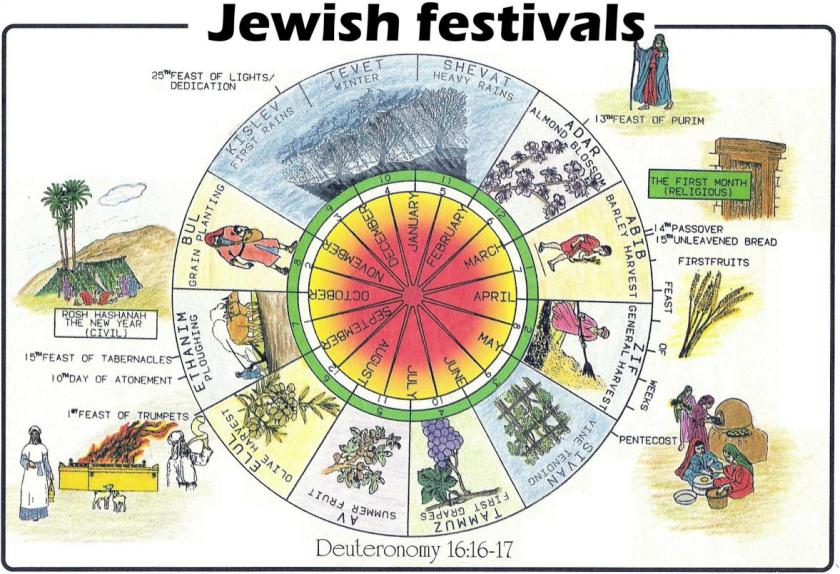
But, just when this representing is starting to sound like a lot of work . . . we hit the Time to Celebrate Chapter – #23. As it turns out, God has designed his children (and representatives) to work BEST with regularly built in days to rest (Sabbaths come once a week) as well as special holidays to celebrate blessings and harvests, to remember God’s faithfulness throughout history, to offer sacrifices to God, to take a break from work, and to feast! Some of these holidays were a week long! One of the week long celebrations God created seems to look a whole lot like a camping trip to me – which is one of my family’s favorite ways to relax and remember God’s goodness in His beautiful outdoors. The Festival of Tabernacles was a week spent in “temporary shelters” to remember how God took the Israelites out of Egypt and into the wilderness and provided for them on their way to the Promised Land. God had this holiday planned even before they reached the Promised Land and their permanent homes. I think it is neat that even back then there was benefit and Godly gain from “getting away from it all”. How can you “work in” some of these important aspects of holidays and festivals – to celebrate God’s goodness and faithfulness while taking a break from your regular work, while offering sacrifices and feasting? I like the vacation plan for God’s representatives! And then, with recharged batteries and a heart full of wonder and thankfulness to a Great Big God who supplies all the needs of every generation of believers past, present and future – let’s get to work again. We have an Awesome God to represent!
Thank you for reading this week as we have worked through most of Leviticus together! I pray you receive His blessings as you continue to dig in and seek His wisdom and way. God’s Word is Great – because He Is!
Marcia Railton

Today’s reading (and perhaps all of Leviticus) are well summed up by the first 5 verses of Chapter 18. “The Lord said to Moses, ‘Speak to the Israelites and say to them, “I am the Lord your God. You must not do as they do in Egypt, where you used to live, and you must not do as they do in the land of Canaan, where I am bringing you. Do not follow their practices. You must obey my laws and be careful to follow my decrees. I am the Lord your God. Keep my decrees and laws, for the man who obeys them will live by them. I am the Lord.”
Did you notice that in these 5 verses one phrase is repeated three times. In fact, it will be repeated about 22 times in Chapters 18 and 19, and will be scattered throughout the rest of Leviticus. “I am the Lord – your God.” Did God really think the Israelites needed that many reminders about who is God?
Might it be that we today need just as many reminders? Do I get caught up following the practices of others, rather than the laws of God? Too often do I merely go along with what my neighbors, classmates, co-workers, countrymen, social media friends around me are doing, rather than being careful to follow the Lord’s commands? Do I question the Lord’s laws, choices and actions? Do I think I have a better way? Do I forget that it is the Lord who is God? How would you fill in the blank: “You must not do as they do in ________. Do not follow their practices. You must obey my laws and be careful to follow my decrees.” God warned the Israelites that they must not do what they did in Egypt (where they had come from) and they must not do what they do in Canaan (where they were going). Rather, they were to be a separate, called-out people devoted to him. Where and when do you need to be extra cautious and aware of the influences around you that are pulling you in directions away from God’s leading?
The lists of laws with “I am the Lord your God” interspersed regularly reminded me of a parent answering a child’s questions about why they need to follow their parent’s rules. “Because I said so, and I am your parent.” So true, so true. God doesn’t even wait for his children to start asking the questions. Right along with the rules comes the explanation, over and over again. We would be wise to remember – “He is the Lord our God.” And he knows best.
Who Will You Follow Today? What will it look like?
Marcia Railton
Thursday, August 25

When my kids go off to school, I have a home daycare and preschoolers invade the house. Recently I was babysitting four preschoolers – three of whom were potty-training at the same time. So, I do have some experience with bodily discharges (the topic of Chapter 15). I found myself saying all sorts of things I never imagined I would need to say about not touching this or that or sitting here or there. It was for very good reason that we removed the bathroom rug for several months. And, there was no limit to the amount of times I made them wash their cute little hands – hands which didn’t even look dirty to them. As naïve children, my preschoolers failed to see the dangers of unclean habits and the reasons and ways for cleaning themselves. The Israelites had similar issues. And, might we, too – at least when it comes to spiritual cleanliness?
Perhaps it is said best in Leviticus 15:31: “You must keep the Israelites separate from things that make them unclean, so they will not die in their uncleanness for defiling my dwelling place, which is among them.” Our God is STILL a holy, CLEAN God who dwells among us and requires us to be clean to come into His presence. Strive for purity (In your thoughts, words, attitudes, motives and actions). When you “mess yourself” – realize the danger and harm of your sin. Instead of making excuses – take the needed steps for cleansing. Jesus Christ offers the best spiritual sanitizer possible.
Chapter 16 gives detailed directions for the yearly Day of Atonement – when “atonement (reconciliation) is to be made once a year for all the sins of the Israelites.” (16:34). This will be the sacred time when the High Priest enters the Most Holy Place, and in addition to sin offerings and burnt offerings (which were also done regularly throughout the year) – a scapegoat will be released into the desert. Wikipedia defines scapegoating as, “the practice of singling out any party for unmerited negative treatment or blame”. Sure sounds just like what would be awaiting the Son of God so many years later.
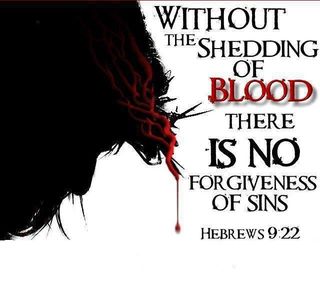
In Chapter 17 – where the eating of blood is forbidden – we see yet another foreshadowing of Jesus’ purpose (atonement) and means to the end (death). Verse 11 says, “For the life of a creature is in the blood, and I have given it to you to make atonement for yourselves on the alter; it is the blood that makes atonement for one’s life.”
We are dirty, sinful people – just as God’s people have been all through history. Realize the danger of your unclean habits (sins). Be sanitized. Thank God He has made a way for us to be purified and reconciled to Him. Thank you, Jesus, for being the scapegoat and the perfect sacrifice so we can come before The Almighty!
Marcia Railton