

OLD TESTAMENT: EXODUS 2
POETRY: PSALM 23
NEW TESTAMENT: MATTHEW 18:21-35
The hot, dry desert sun beat down on the reddened backs of the laborers, scars crisscrossing their backs from where the whips had cracked. Generations after generations of Israelites had born and died as outcasts and slaves in Egypt, living as foreigners and aliens in a pagan land. They had been the victims of genocide, their babies torn from their arms and murdered. The only sin the Israelites had done to the Egyptians was existing and multiplying. It was the Egyptians’ fear that caused them to mistreat the Israelites and make their lives bitter.
Yesterday, we considered how we were like sheep that had gone astray. The theme of sheep and shepherds runs deep throughout the Bible. Abel was the first shepherd and his sacrifice was the one that God preferred. Noah, Abraham, and Isaac all were wealthy with livestock, but the next patriarch who is described primarily as a shepherd is Jacob. He builds his wealth through gathering up the speckled and spotted sheep of Laban. These vast herds of sheep followed his family to Egypt where the Israelites settled in the land of Goshen nestled in the Nile Delta. Shepherds were detestable to the Egyptians at that time. The Nile Delta was actually the best in the land for their family.
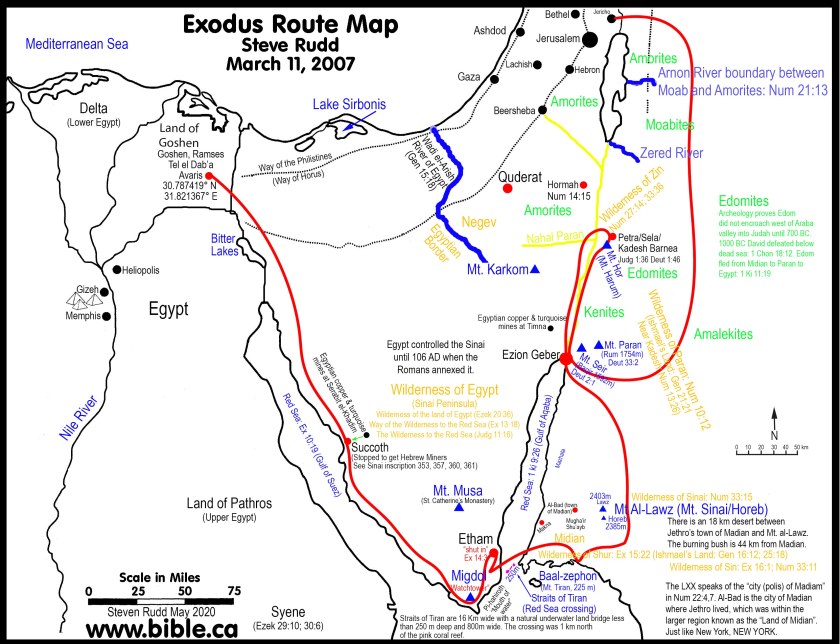
Jacob’s family lived in peace and grew to be a mighty numerous nation. After years and years in the land, the Egyptians turned against them and began to subjugate the Israelites with forced labor. “The Israelites groaned because of their difficult labor, they cried out, and their cry for help because of the difficult labor ascended to God. God heard their groaning, and God remembered his covenant with Abraham, with Isaac, and with Jacob. God saw the Israelites, and God knew” (Exodus 2:23-25).
The Israelite people needed a shepherd. They needed someone who would come and deliver the people from the misery of their Egyptian enslavement to a better life. During this time, I’m sure that they dealt with doubt. They may even have dealt with unbelief, feeling that nothing would ever change in their lives.
But, they had the truth of the promise of the covenant of God to fall back on. Abraham was told in Genesis 15:13-16 that his descendants would be foreigners and aliens, enslaved and oppressed, for 400 years. God ended this prophecy by saying, “However, I will judge the nation they serve, and afterward they will go out with many possessions.”
In Exodus 2, we read that God saw and knew the Israelites’ groaning and misery. At that moment, he was setting in motion a plan to deliver his people and bring to pass the deliverance of them to the promised land of Abraham, Isaac, and Jacob.
That plan would be fulfilled with none other than a shepherd boy (or old man- since Moses was close to 80 at the time). Moses was away finding a lost sheep when he encountered God in the burning bush. A type of our savior, he went to rescue the Israelites and save them from their enslavement.
Moses would go from being a shepherd in the land of Midian to a shepherd of God’s people.
~ Cayce Fletcher
Cayce writes about discipleship, productivity, and homemaking at her blog https://amorebeautifullifecollective. You can find her latest post on cultivating good habits here. You can also listen to A More Beautiful Life Collective Podcast on Apple Podcasts, Spotify, YouTube, or wherever you listen to podcasts.
REFLECTION QUESTIONS
- Why are sheep and shepherds such an important and repetitive theme throughout the Bible? What is God trying to teach us about ourselves by using this pattern?
- Abraham was told the prophecy that his people would live in enslavement and oppression through no fault of their own. We read about the effects of this enslavement in our scripture today. How do you make sense of suffering in light of the sovereignty of God?
- Read John 10:11-18. In John 10:11, Jesus says, “I am the good shepherd.” How is Jesus a good shepherd to us?

 Seek Grow Love