
Promises

OLD TESTAMENT: Nehemiah 10-11

POETRY: Psalm 148

NEW TESTAMENT: John 20:10-18

Promises. 

I started learning about our cultural acceptance of the flexibility of “promises” when I was young: the revocability of a promise made with little crossed fingers, the lack of sincere meaning behind most promise rings given between teens, the recurring empty assurance that I could be Mario instead of Luigi the next time my friend and I would duel on her original Nintendo. 

Promises matter, from a pledge on the playground, to a contract with a company, to sacred words at a wedding. Unfortunately, we live in a shattered world laden with insincere, neglected, and forgotten promises. 

In Nehemiah, the Israelites came together to commit once again to following God. “The rest of the people…now join their fellow Israelites the nobles, and bind themselves with a curse and an oath to follow the Law of God given through Moses the servant of God and to obey carefully all the commands, regulations and decrees of the Lord our Lord.” (Neh 10:28-29) As we discussed yesterday, throughout history, the Jewish race had been in a wild, cyclical, on-again, off-again relationship with God. That which began with Jacob/Israel as a beautiful tapestry of covenant between Almighty God and his chosen people became interwoven with heartache, death, defeat, and slavery. But they vowed that, this time, they would follow God! (Spoiler alert: they would disobey yet again before this book even ends.)

God’s love to his people was a covenant, not a contract. A contract is a promise that one party will uphold their end of the agreement as long as the other side fulfills their responsibilities, while a covenant is a promise no matter what. God remained faithful even when his people were unfaithful, but they still had to face the consequences of their behavior. This covenant, originally for the Hebrews, has been renewed through Jesus to include the Gentiles as well. I am so grateful that we can all share in the hope God offers through Jesus! 

Our family strives to emphasize the importance of keeping promises. My husband Dan can often be heard reciting, “Let your yes be yes and your no be no” (Matthew 5:37). My 7 year old, when feeling slighted by an unmet expectation from his older brother, will object, “But your word is your promise!” Even children can understand the potential detriment of dishonored vows. 

As my son Gideon and I read from the Jesus Storybook Bible every night, he echoes the beautiful phrase that describes God’s covenant love in many of the stories: God’s “never stopping, never giving up, unbreaking, always and forever love.”

Today, may you rest in the promise of God’s covenant love while you continue to seek Him in all you do. 

Similarities in today’s other readings: 

Psalm 148:6b: “God made a law that will not be broken.” God is a faithful God! 

John 20: Mary met the resurrected Jesus for the first time! His death and resurrection are amazing fulfillments of God’s prophecies and promise! 

-Rachel Cain

Reflections: 

* Create your own phrase to describe God’s covenant love, like the one I included from a children’s Bible above. Praise God for his covenant love! 
Promise Keeper

The Beginning of the NEW TESTAMENT – Matthew 1-4

matt 1

Thursday, April 27

So after years of prophecies and waiting, the Messiah is finally here!

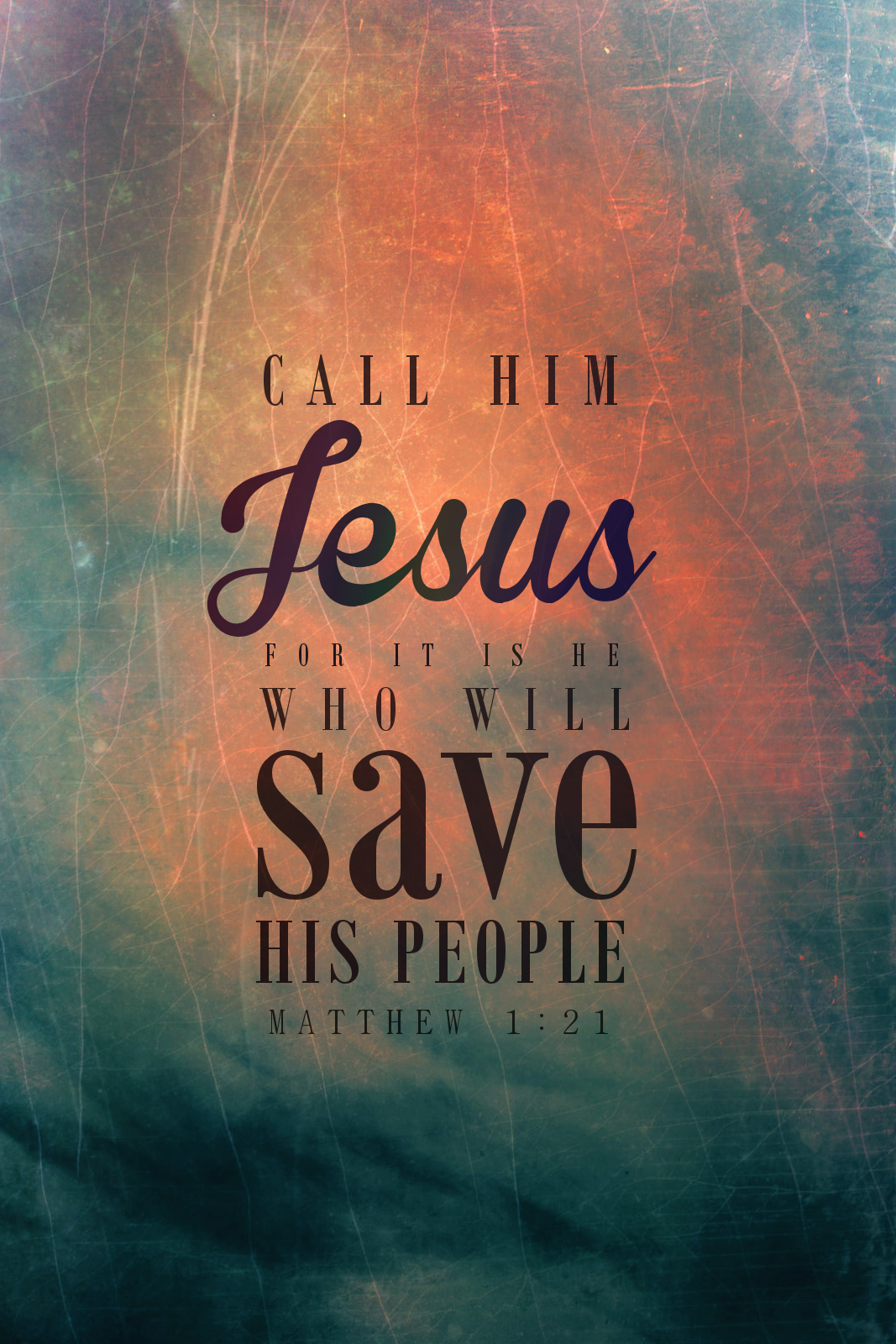
Matthew 1: 21-23       21 “She will bear a Son; and you shall call His name Jesus, for He will save His people from their sins.” 22 Now all this took place to fulfill what was spoken by the Lord through the prophet: 23 “Behold, the virgin shall be with child and shall bear a Son, and they shall call His name Immanuel,”

After reading through Zechariah and Malachi I’ve come to appreciate Jesus as the Messiah even more than I already did. Understanding the ups and downs of God’s relationship  with the Israelites helped me understand the need and reason for Jesus. He was born as a fulfillment of prophecy and that’s exactly the life he lived.


God keeps his promises.


-Elleigh Dylewski


heb 10


(Matthew 1:21 Photo Credit – http://my-savior-lives.tumblr.com/post/69954608098

Hebrews 10:23  Photo Credit: http://www.mygivingback.com/2016/08/)

Different Prophet; Same Message

Zephaniah

Zephaniah-3_17

Friday, April 21

The job description of a prophet doesn’t vary much. Speak the words God has given you. Usually these words and utterances are judgement and wrath, Zephaniah follows the same pattern. Something worth mentioning is the name Zephaniah provides in verse one: “Zephaniah son of Cushi”. Cushi in Hebrew has meaning and connotations of African descent. In other words, Zephaniah may have an african heritage and we may have a book written by an African.

Zephaniah is believed to have been proclaimed and written between 630-620 BCE to the residents of Judah concerning Judah’s judgement and her enemies judgement. We have seen a common thread in all the minor prophets we’ve looked at this week: God holds all evil, wickedness, and injustice accountable whether it’s done by his own people or people of foreign nations. God is impartial. Chapter one contains God’s judgement on his own people. Chapter two is judgment pronounced on many of Judah’s enemies and chapter three is a mixture of judgement with the promise of a remnant being left who will love the true God with their heart, mind, soul, and body and God will dwell with them.

The minor prophets, I would say, are the most neglected books in the Bible. Though their historical contexts and their way of life is completely foreign to the modern Christian, the promises and principles communicated by God through prophets are ones that apply to us today. Injustice, oppression, apathy, disobedience, and so on are things we see and deal with in our lives. God speaks to us about these things in the minor prophets.

-Jacob Rohrer

(Photo Credit: https://worshipwithscripture.com/tag/zephaniah-317/ by Kelli Wommack)

Peace in Our Time

 IMG_0034

Daniel 10-12

I am no expert on Biblical Prophecy, or on anything for that matter. So I’m not going to try to explain the prophecies in Daniel 10-12. Instead I want to share three things we can learn about God from Biblical Prophecy and three implications of those things for our own lives.

(1) Biblical Prophecy illustrates that God is not in time. This means that God is not bound by the same time constraints as we are. You and I can only deal with the present. We may have memories of the past and fantasies of the future, but we can see what is really happening only while it is actually taking place. God is not like this. He can see all of history at a glance; this is how He could reveal to people like Daniel the goings-on of the future.

(2) Because God is not in time He is the greatest of planners. The people we think of as planners (people like my wife) tend to have a focus on the future. This is why they plan—to be prepared for what is coming in the future. Since God can see the future He is able to plan things out in such a way as to generate best possible result. And because God loves us, those plans promote our welfare.

(3) Not only does God make plans, but those plans happen just as He promises. There are hundreds of prophecies throughout the Bible, some of which have already been fulfilled. Many of the prophecies in the Old Testament predicted that a Messiah would come. They foretold of the place of his birth, the characteristics that would define him, and the ultimate sacrifice he would have to make. When Jesus came, he was the embodiment of these promises—although many didn’t recognize this. When God makes a promise, you can bet your bottom dollar that He will come through.

(4) Because of God’s track record in promises department, we can trust that the prophecies in the Bible that haven’t yet happened will eventually happen. While it is very easy to lose trust in the empty promises of politicians, we can rest assured that God won’t let us down.

(5) Our trust in the promises of God should give us hope for the future. While the Bible does prophesy that in “the end” difficult and trying times will come, after that there will be no more pain, no more tears, and we will be with our God in His perfect Kingdom.

(6) What all this really means is that right now, in the time we are constrained to, we can live at peace. Despite the craziness of the world around us, however terrible and unbearable it may become, our hope can anchor us so that we can stand firm and live in serenity. So look at the promises God has made, see that He keeps them and that they are good, and live in peace, with hopeful expectation for the culmination of all the prophecies in the Bible.

– Joel Fletcher

Spiritual Adultery

Ezekiel 14-16

ezekiel 16 14

Wednesday, March 22

Chapter 14 gives us a picture of the heart of God.  Elsewhere in the Bible it says that God is a jealous God.  God loves His people Israel as a husband loves his bride.  Israel turned away from God’s love, their hearts were no longer given to God.  God wants more than anything else to recapture the hearts of His people who deserted him to pursue idols.  God wants them to repent and turn back to Him.

God wants to have His people love Him exclusively.  He will not let them worship idols, yet still come to him for prophecy.  This would be similar to a woman who both goes to her lover but then comes to her husband as well.  God will have none of this, no two timing wife.  Israel must have a change of heart and that will only happen through judgment.  The prophets were not permitted to prophesy for people who were also consulting idols.  If the prophets did prophesy to those seeking idols, they too would be punished.

God tells Ezekiel that His judgment is certain and that no human being, no matter how righteous or faithful can stop that judgment.  He warns that even if such great men of faith as Noah, Daniel or Job sought to keep Israel from judgment that their righteousness would not be able to save Israel.

In Chapter 15 God promises to make Jerusalem as desolate and useless as a dried up vine that has been thrown into a fire.  Just as the vine will be totally consumed by the fire, so too, will Jerusalem be consumed by the fire of God’s judgment.

Chapter 16 is one of the most graphic passages in all of the Bible.  If the Song of Solomon was rated PG-13, Ezekiel 16 would probably be rated R or NC-17.  It is extremely disturbing to read.  God compares Israel to an unwanted, discarded child whom God rescued from its disgrace.  God later came along when Israel was old enough to be married, but she was naked and dirty.  God cleaned her up, covered over her nakedness, dressed her up like a princess and made her his bride.  Israel was blessed beyond imagination by God her husband.  But then, tragically, Israel turned to prostitution.  Here Idolatry is likened to a form of spiritual adultery.  Israel had brought great shame upon her husband.  In fact, she was worse than a prostitute in that she paid others her gold and silver to sleep with her.  It’s such a disturbing picture.  And it’s designed to give us a visceral reaction.  It’s a gut punch.

The fact that God must punish Israel for her spiritual adultery is not surprising.  Israel is only getting what they deserve.  What is surprising is that God is going to restore Israel.  Not because Israel deserves it now any more than it deserved it when God first cleaned her up and made her His bride.  God is doing it because God is faithful to His Covenant promises.  God made a promise to Abraham, Isaac, Jacob and their descendants, Israel.  God does not forget His covenant or break his promises.  God is filled with steadfast love for His people.

After punishing Israel, God will then make atonement for them.  He will cover over their sin and guilt and forgive them and take them back.  Then they will remember their vows and be ashamed of their guilt and will become a faithful wife and turn away from idols.

As Christians, we have been grafted into God’s family and we are now included as God’s bride.  Through Jesus Christ God has found us in our sin, cleaned us up and made us His own.  Are we sometimes guilty of idolatry?  Do we ever act unfaithfully toward God and give our hearts to someone or something else instead of God?  Remember, Jesus said that the greatest commandment is to Love God with all your heart.  God wants All your heart.  God is jealous when we give our hearts to another.  May Israel’s spiritual adultery remind us that we must give our hearts fully only to God and no one else.  Otherwise, God may have to win our hearts back the way he did Israel, and we can see how unpleasant that process was for them.  Let’s always keep our hearts faithful to God alone.

-Jeff Fletcher