
The Whole Duty of Man

Num 19-20

Ps 19

Mark 4

~ Devotion by Cayce Fletcher (SC)

Cayce Fletcher is a wife and homeschool mom of three. She writes and podcasts at amorebeautifullifecollective.com where she helps women cultivate a life of depth, discipline, and delight. Read the latest post on finding beauty in the everyday here

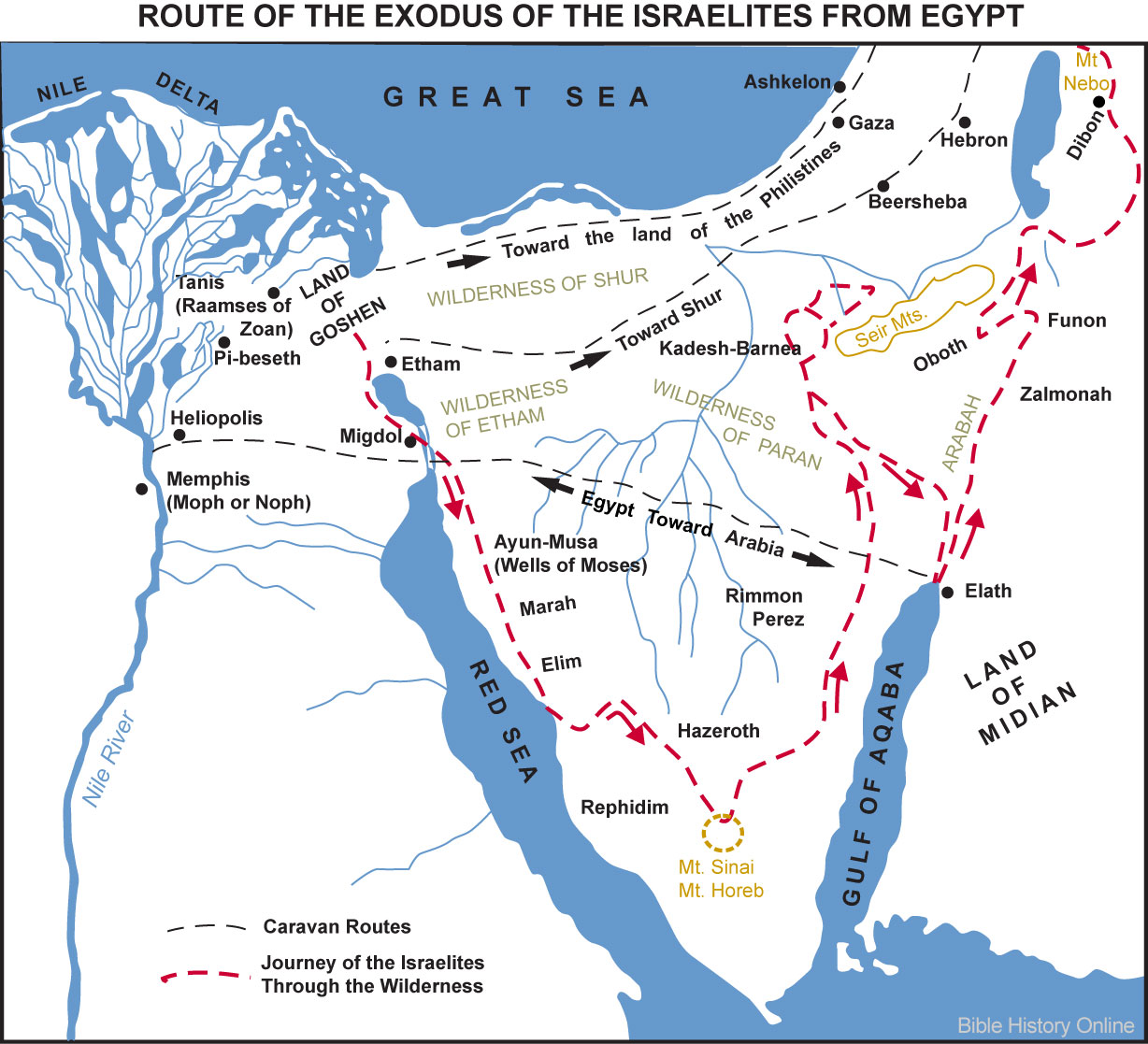
Numbers 19 finishes the communication of the law of God to his people through Moses. We then see a 38-year jump in time. Right after the Exodus from Egypt, the people traveled to Mount Sinai. There they encamped around the mountain for about a year. It is there they received the law and celebrated the first Passover. 

After the year spent around Sinai, the Israelites went directly to Canaan, where the infamous episode with the spies took place. The Israelites were forced to wander for 40 years. Numbers 20 begins during this 40th year. The old generation that included Miriam (126 years old when she died) and Aaron (123 years old) was passing away, and the new generation was preparing to enter the Promised Land. 

Still, even though so much time had passed, the people seemed to have learned nothing. They began grumbling and complaining again. Moses turned to God in his distress. He fell down on his knees in prayer. What a picture of how we should respond when we are at the end of our rope! 

God met him there and gave him the next steps to take. He was to go to the rock and tell the water to come out. 

And then the tragedy occurs – Moses, who always chose the humble path, responded in anger (with a little bravado) to the people. He goes up to the rock, “and he said to them, “Hear now, you rebels: shall we bring water for you out of this rock?”” Then, he strikes the rock twice. 

Because of his disobedience, he is barred from the promised land. God tells him that his response ‘did not uphold God as holy before the people.’

The right response to God is faithful obedience on our knees. It is there that we meet him face-to-face. But it is so easy to let our view of God get clouded by our messy emotions and our chaotic surroundings. 

Do we respond to God in faithful obedience? Or do we react rashly – foolishly – hoping God will bless the response even if it’s sinful? 

God requires whole-hearted obedience and an attitude that reflects a pure heart. Moses’ anger towards the people in that moment caused him to react violently – and Moses was judged for it. 

We rarely feel fear, awe, or reverence for authority today, but today’s passage reminds us that God is holy. We must remember the holiness of God and cultivate a healthy fear of God in our souls. The fear of God helps us to respond faithfully with humility to the commands of God. 

As we read of the end of Miriam and Aaron’s lives, let’s be reminded that the foundation of the legacy of our lives should be this fear of God. As Ecclesiastes 12:13 says, “The end of the matter; all has been heard. Fear God and keep his commandments, for this is the whole duty of man.”

Reflection Questions

  1. How does a life built on the foundation of the fear of the Lord differ from a life without it? 
  2. In what ways did Moses show a fear of God throughout his life? Why did this instance at Meribah not show a fear of God? 
  3. How do you grow in your fear of the Lord?

Prayer

Dear Heavenly Father, 

Please let us remember who the true Lord of our lives is. Let us remember how great you are. Let us remember that you are God and you are not. Thank you for the ways that you draw us back to this truth. 

In Jesus’ name,

Amen.

SGL.2026.CalendarDownload

Lessons from the Wilderness: The Israelites

heb.Over the next few days, we’re going to look at four wilderness stories in the bible to learn a lesson about what the wilderness is and what it can teach us. The first Wilderness Wandering Lesson is this:
Wilderness Wandering Lesson #1: The faithful love of God is infinitely more secure than our fractured circumstances.

The most recognizable story of wilderness is that of the Israelites. After 400 years of servitude to the Egyptians, the Israelites kept crying out to God for the deliverance prophecied by Joseph in Gen. 50:25. That help came in the form of Moses, who was commissioned by God to lead the Israelites to the land of Canaan. So this so-called Promised land, part of the covenant promise that God made with Abraham in Gen. 12, was the Israelites’ destination. Even in the Israelites’ time in the wilderness, we can see two purposes in the wilderness. The wilderness in the first year was a time of purification and dependence. It is in the wilderness that the Israelites learned to trust God for direction (Fire and Cloud – Ex. 14) and sustenance (Manna and Water – Ex. 16). In Exodus 16, God even says, “I will test them to see whether or not they will follow my instructions” (v. 4). This testing was his goal for the first year the Israelites spent in the wilderness. Spent mostly at the base of Mt. Sinai, it was in this time that the Israelites received the ten commandments, built the tabernacle, and received the rest of the law (Ex. 15-Num. 10). Though there was difficulty in this time (think Golden Calf – Ex. 32), this time in the wilderness was also full of incredible closeness to God. It was during this time that the Israelites were able to witness the Shekinah glory of God descend on the tabernacle. And, during this time, the Israelites experienced the humbling dependence on God that came from relying on him.

Map-Route-Exodus-Israelites-Egypt

We can think of this first year in the wilderness as the training wheels period where God was showing the Israelites that relying on him was best. That trusting in him was the way to choose life and joy. In Numbers 10, the Israelites break camp and move towards the border of the Promised land. In Numbers 11, the cracks begin to show again as the Israelites complain more and more about hardship, food, and in the case of Aaron and Miriam, the power and relationship with God that Moses had. Based on the tendencies that we see in these chapters, we shouldn’t be as surprised as we generally are that the Israelites get to the border of the promised land and choose to go against God and refuse to take the land because of their fear (Num. 14). The Israelites chose not to go into the promised land because their trust in God was lacking. They didn’t think that God would do what he said he would. Instead, they based their decisions on their circumstances, which seemed too difficult to overcome. It’s this that ultimately angers God and leads towards his judgment against the Israelites: They would wander the wilderness for 40 years (one year for each day they spent scouting the wilderness). In the remaining chapters of Numbers, we see more instances of rebellion and provision as the Israelites do exactly as God says and wander the wilderness for 40 years. It is not until the book of Joshua, that we see the next generation of Israelites rise up and take the land just as God promised his people that they would.

These two tales are frequently told together, but they tell two very different stories of the wilderness. In the first, the Israelites seemed to have done nothing to be put in the wilderness, while in the second, the wilderness was a place of punishment for the past sin of the people. But, the purpose of each wilderness experience is the same. The wilderness is meant for purification and refinement, to make the people of God ‘holy, because [he] is holy’ (Lev. 19:2). Too often, I think we view the wilderness as a punishment, and because of that, we go back to asking God, “Why? Why am I here?” We may even sound like some of my high school students when they get called out, “Why? I wasn’t even doing anything!” (No matter what they are doing.) We need to stop viewing the wilderness as a place of punishment. It can be that place, as we’ve seen with the Israelites. But, more importantly, this time in the wilderness is where God is beckoning us back to him. It’s in this time that all of the Israelites first heard God’s word. It’s in this time that they felt the characteristics of God that Moses spoke in Numb. 14:18. In your wilderness wanderings, instead of focusing on the doubt – the questions of why you are in that experience – focus on who God is:

“The Lord is slow to anger and rich in faithful love, forgiving wrongdoing and rebellion. But He will not leave the guilty unpunished, bringing the consequences of the fathers’ wrongdoing on the children to the third and fourth generation.” (Numb. 14:18)

Rest on God’s faithful love, and in your time in the wilderness, don’t forget to remember who he is. When we trust in him, our circumstances don’t seem so challenging anymore.

~ Cayce Fletcher