
Matthew 26 and Mark 14
Devotion by JJ Fletcher (Minnesota)
People are complex. We have ideals that we want to live by, but often fall short and fall into patterns of behavior that disgust us. I’m sure all of us want to live like the gospel is the primary motivator for our lives. We want to care for others, we want to honor God and Jesus with our behavior, and we want to shine the light of truth into a dark world. We hit speed bumps, we have a bad day, someone slights us, and we are consumed by disappointment, anger, or frustration, and take our eye off the ball.
We want to honor God, but we also want to be comfortable. We want to be well off financially or to be perceived in a certain way, and we sometimes will slide into behaviors that are focused on taking care of our needs and desires rather than building God’s Kingdom.
Sometimes fear is a motivator rather than hope. How will people view us if we stand out as different from the status quo? What if the movement or organization that we are a part of falls apart? Will we be seen as a failure? Will we be shunned? Will we suffer the same defeat or demise as those whom we have followed or associated ourselves with?
In Matthew 26, we are in the lead-up to the Passover celebration. While this is in view, Jesus also knows what is about to happen… His arrest and execution.
The Pharisees are frustrated. They have been seeing Jesus grow in influence and popularity, which in turn has diminished their influence and the perception that they are the leaders and influencers of the Jewish people. They confront Jesus constantly, yet they are no match for his wisdom and insight. Jesus, in his spirit-filled wisdom, always has the upper hand over the Pharisees, who seem far more interested in discrediting and diminishing Jesus than actually considering that he may be the Messiah. They want to remain the thought leaders of the people, and Jesus is putting the kibosh on them.
As I’ve already brought up, Jesus is popular, and if the Pharisees were seen to be actively trying to dispose of him, they would face some severe backlash. With Passover just around the corner, they see the need to be careful. There are extra eyes everywhere as people have come into Jerusalem to celebrate. So, they start plotting how to secretly apprehend Jesus and quietly have him put to death. They want to make it seem like this is not of their doing, but how? They are dealing in back-channel communications to figure out how to proceed. A golden, or maybe silver, opportunity will soon present itself.
Enter Judas. He’s been with Jesus through the thick of his ministry. But Judas perhaps is not a fan of Jesus’ teaching on wealth. No one is identified specifically in Matthew 26:8-9, but I wonder if Judas is a driver of the indignant attitude of the disciples about this valuable ointment that Jesus is anointed with. In John 12, we are told that Judas would help himself to the money that was collected, and the sale of this ointment would give him more funds to dip into. Judas doesn’t care about the poor; he cares about himself. Judas sees the success of Jesus’ ministry as an opportunity to enrich himself. Perhaps Judas does believe that Jesus is who he claims to be, but he is motivated by his own desires, and this gives an opening for some back-channel dealings with the Pharisees. Judas goes to the Pharisees in secret and asks how much of a payoff they will give him if he delivers Jesus to them. What a backstabber, the ultimate betrayal. Jesus, of course, knows this is going to happen, which must make his preparations for the upcoming events even more brutal to contemplate.
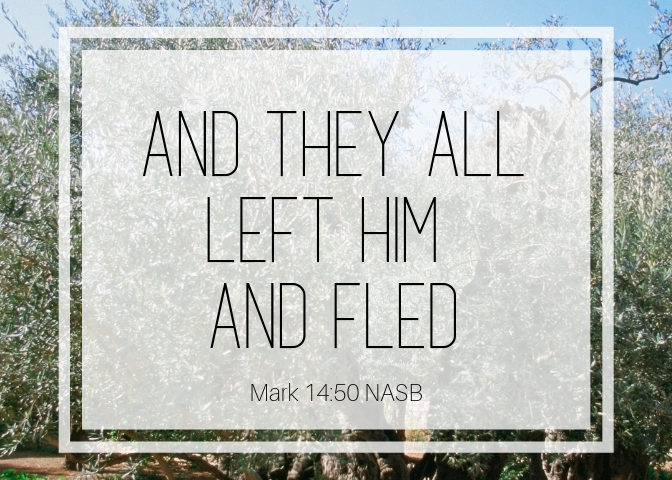
Peter is bold. But he’s also kind of a coward. Jesus knows this. Deep down, maybe Peter knows this, but he’s not willing to cop to it. When Jesus is about to be arrested, Peter is willing to go on the offensive in the moment; he’s willing to go down to protect Jesus, but after Jesus is arrested, Peter has time to think, and he perhaps ponders what will happen to those who were closely associated with Jesus if he is convicted and executed. He ends up denying Jesus as his fear gets the better of him. A bit of a stab in the back to Jesus.
Both Peter and Judas fell into the trap of doing what they saw as best for them, rather than what was right. Judas ends up committing suicide; he can’t live with what he has done, or the repercussions of what this will do to his standing and life outlook. Peter, however, finds redemption. Jesus gives him three opportunities to affirm him, and after Jesus ascends to heaven, Peter becomes the primary leader of the church. Never again will he deny Jesus; he will die for the sake of the gospel.
Reflection Questions:
1. In what ways have you experienced failures in your walk? What has allowed you to overcome failure and not let it defeat you?
2. How can we navigate our pride and celebrate the successes of others, rather than act like the Pharisees and look to undermine or defeat others? How can these attitude dynamics make or break a church?
3. Can you think of some ways that help set you up to put faith before your wants and superficial needs?



 Seek Grow Love