
Old Testament: 2 Kings 5 & 6
Poetry: Psalm 129
New Testament: Ephesians 1
In the first Chapter of Ephesians, Paul spells out the significance of Jesus Christ. Jesus is the stipulation for the grace that we receive. Without his propitiation, we are without a promise. The role of Jesus in this plan isn’t singular, but multifaceted. The intention of Ephesians 1 isn’t to spell out distinctive theology; however, to understand salvation you must understand the Messiah. While this is not all-inclusive, here are some of the basics delivered to us in the beginning of this church’s letter:
1. Jesus is the Son of God. His Father is also His God. (1:3, 1:17)
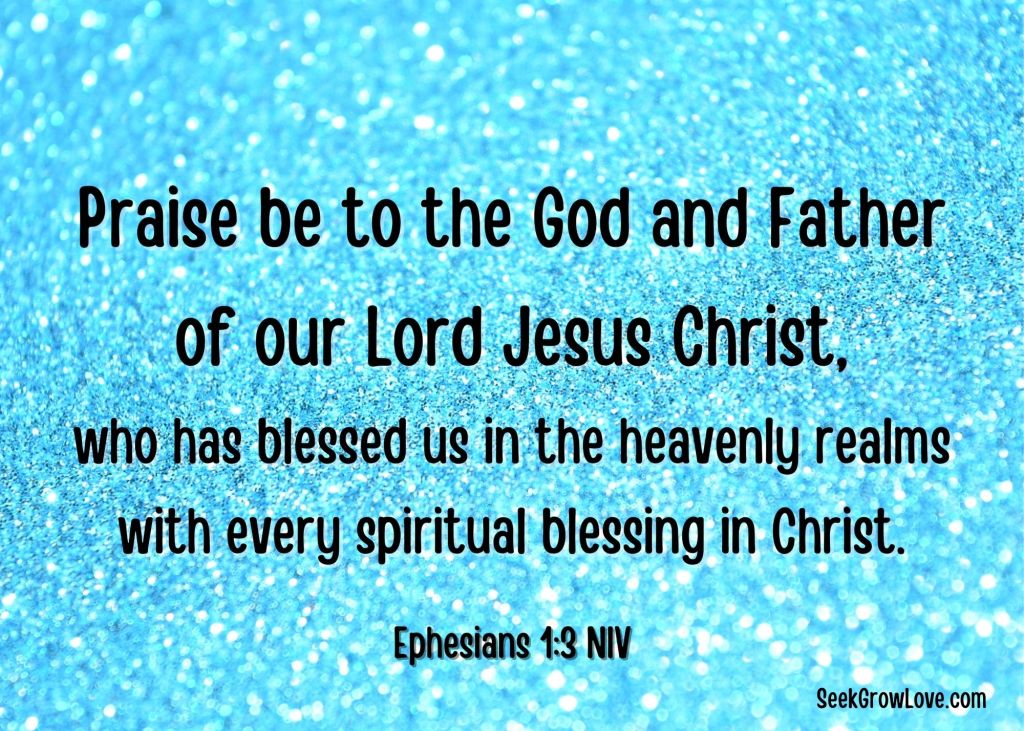
In verse three and seventeen of this Chapter, Paul refers to the Heavenly Father as the God of Jesus. Wait. What?! Much of Christianity treats Jesus and God as synonyms. Paul makes this important distinction in this letter to show that the Father is who we petition and who gives. Jesus makes this clear repeatedly in the Gospels when he states that he does nothing by his own power and authority. (John 5:30; 8:28) However, through the faith and name of Jesus, we have an eternal subscription to God paid through the blood of the Son of God, but it is our Heavenly Father who pours out His Spirit to us and gives us wisdom and revelation to know GOD better; to walk in step with him, just as Christ did.(John 17:20-23)
2. Jesus is our Brother. (1:5, 1:11,12)
Paul makes it clear in Ephesians and Galatians that we are God’s adopted sons and daughters. The particular phrase in verse five, “adoption to sonship,” had a greater meaning in Roman context, and is similar to the legal adoption process we know today. This means that we receive all the rights and privileges, we are considered equal to a biological relative, and we now bear the surname of God. The inference then becomes we are the adopted brothers and sisters of Jesus, who, referring back to point one, is the Son of God. What then do we receive? The same inheritance as Christ: the Holy Spirit, resurrection, and the Kingdom of God.
3. Jesus is our Savior (1:7, 1:18,19)
.While this statement has been alluded to in the opening paragraph and the previous point, it is most important to note that Jesus is our Savior. Our inheritance would be null and void if not for the redemption of sin, which is a treasure in itself, a bounty of God’s grace. Jesus accomplished this through a life and death in accordance with God’s will. No more sacrifice is required because he became the fragrant offering. He is still saving us; his death is still washing away the stain of sin. He did save us once (Hebrews 7:27) but through the grace of God, saves us again and again through grace and repentance.
4. Jesus is Head of the Church. (1:22,23)
It is God who has appointed and placed the body of believers under the head of Jesus. Jesus is literally God’s right-hand man. It is Christ’s spirit, meaning his purpose and drive, that should be the same spirit of the Church. Who better to lead us than the one who experienced life in the same way as us? (Hebrews 4:15) Paul took direction from Jesus face-to-face, but we take direction from His life in the scriptures. In the same manner, let us proclaim the Kingdom of God and message of salvation in a similar fashion to Jesus; he has shown us how to live in this manner.
-Aaron Winner
Reflection Questions
- What is significant about the relationship between God and Jesus? What jobs/positions does each hold? According to this passage, what is unique about each?
- What do Christians miss out on when they use Jesus and God as synonyms?
- What has Jesus done for you? Thank God for His Son Jesus and all he is to you.

 Seek Grow Love