
Jeremiah 25-26 and Hebrews 4
In Chapter 25 & 26 of Jeremiah, he continues prophesying to the people of Judah about what is going to happen to them. It sounds to me like he is getting a little irritated with them. Have you ever heard “If I’ve told you once, I’ve told you a thousand times” from your parents? He says that he has been talking to them for 23 years but they will not listen to him. Not only has he been talking to them but God has sent prophets to them for years and they refuse to listen. He is telling them that they have a choice to make. He says in Chapter 25:5&6 “Turn now, each of you, from your evil ways and your evil practices, and you can stay in the land the Lord gave to you and your ancestors for ever and ever. Do not follow other gods to serve and worship them; do not arouse my anger with what your hands have made. Then I will not harm you.” God has always given us a choice, which is to choose good or evil, the choice is ours. But he is hoping that we choose to turn from evil and do good, and if we do, he will always forgive us. But on the flip side, he says, if the children of Judah refuse to listen they will go through hard times and captivity that will last for years.
The prophet Jeremiah could have lied to the Judean people like the other prophets during that time and told them what they wanted to hear, and his life would have gone easier (perhaps for a time), but he did the hard thing and he obeyed God and told them what God wanted them to hear. The people did not like what they heard and they wanted to kill Jeremiah. He put his trust in God knowing that he might be killed. He trusted God with his life and trusted that what God purposed in his life would happen. He says in 26:14-15 “But as for me, behold, I am in your hands; do with me as is good and right in your sight. Only know for certain that if you put me to death, you will bring innocent blood on yourselves, and on this city and its inhabitants; for truly the Lord has sent me to you to speak all these words so that you hear them.” He knows what Paul tells us in Acts 5:29b “We must obey God rather than men.”
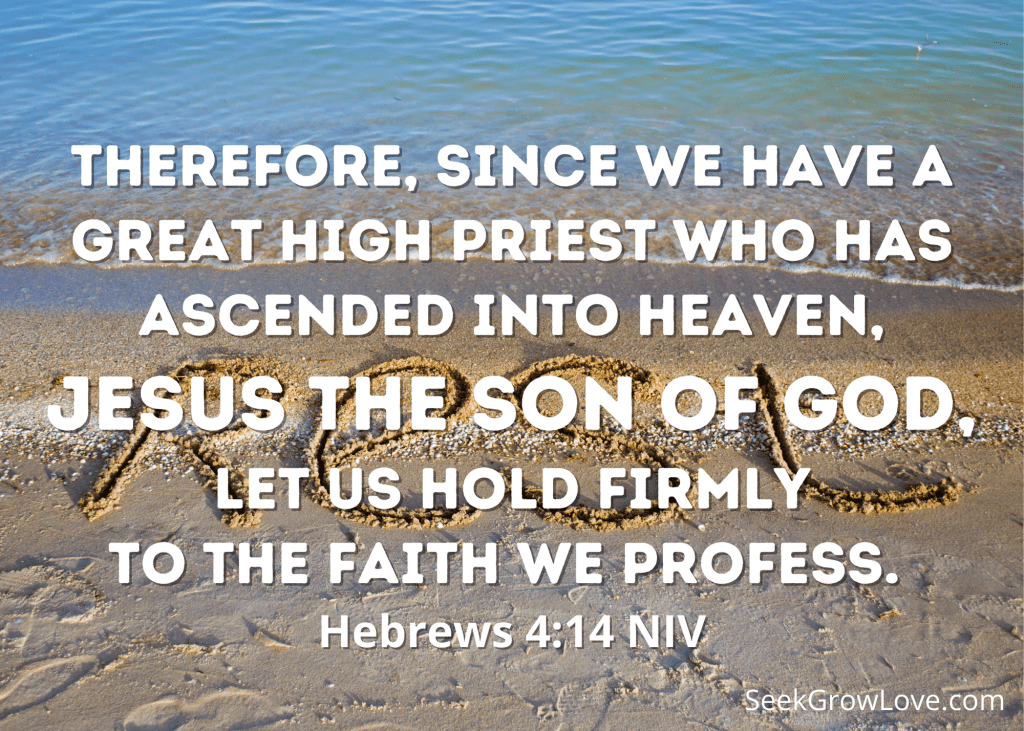
Hebrews 4 seems to go hand in hand with the chapters in Jeremiah. The Israelites before them, and then the children of Judah were not able to enter into God’s rest because of their disobedience. We are invited to live our lives in such a way that we will be allowed to live in God’s rest. The children of Judah needed prophets and priests to help them to have a relationship with God, but we do not have to go to the synagogue to have our sins forgiven or go to the town square to listen to the prophets. It says in Hebrews in verses 14-16 “Therefore, since we have a great high priest who has passed through the heavens, Jesus the Son of God, let’s hold firmly to our confession. For we do not have a high priest who cannot sympathize with our weaknesses, but one who has been tempted in all things just as we are, yet without sin. Therefore let’s approach the throne of grace with confidence, so that we may receive mercy and find grace for help at the time of our need.” God’s rest is a life that is filled with the knowledge that God is in control and we will trust Him no matter what hardships we may go through. If we would like to enter into God’s rest, all we have to do is accept the salvation that God has provided to us through Jesus and we are free to enter into God’s rest for eternity.
-Sherry Alcumbrack
Today’s Bible reading passages can be read or listened to at BibleGateway.com here – Jeremiah 25-26 and Hebrews 4
 If you are in that moment, remember that God does not leave Elijah there, and he doesn’t want to leave you there either. Instead, he says, “Get up and eat (v. 5). After Elijah eats twice, he goes on a journey forty days and forty nights to the mountain of God. There, Elijah waits, first through a great wind, then through an earthquake, and lastly through a fire. In each of these places, he does not hear God’s voice. Finally, he hears it in the soft whisper, as God asks him “What are you doing here Elijah?” (v. 13) Elijah responds by saying, “I have been very zealous for the Lord God of Hosts, but the Israelites have abandoned your covenant, torn down your altars, and killed your prophets with the sword. I alone am left, and they’re looking for me to take my life” (v. 14). Elijah feels this despair because he had forgotten what God just showed him. In the desert when he was hungry, God was there with provision. He had forgotten that in the showdown, God was there with provision. When we turn our eyes from God to focus on our fractured circumstances, it can lead us to doubt. But, one remedy for that doubt is not only to remember the character of God but also to remember how God has exhibited that character in previous actions of faithfulness. We can trust in him not only because of what we know from the Bible but also because of what we know from our own lives. So, if you are in a wilderness period in your life, pause and remember God’s past faithfulness instead of dwelling on your despair. These reminders can help us to remember that even in our darkest times, God will carry us through.
 Over the next few days, we’re going to look at four wilderness stories in the bible to learn a lesson about what the wilderness is and what it can teach us. The first Wilderness Wandering Lesson is this: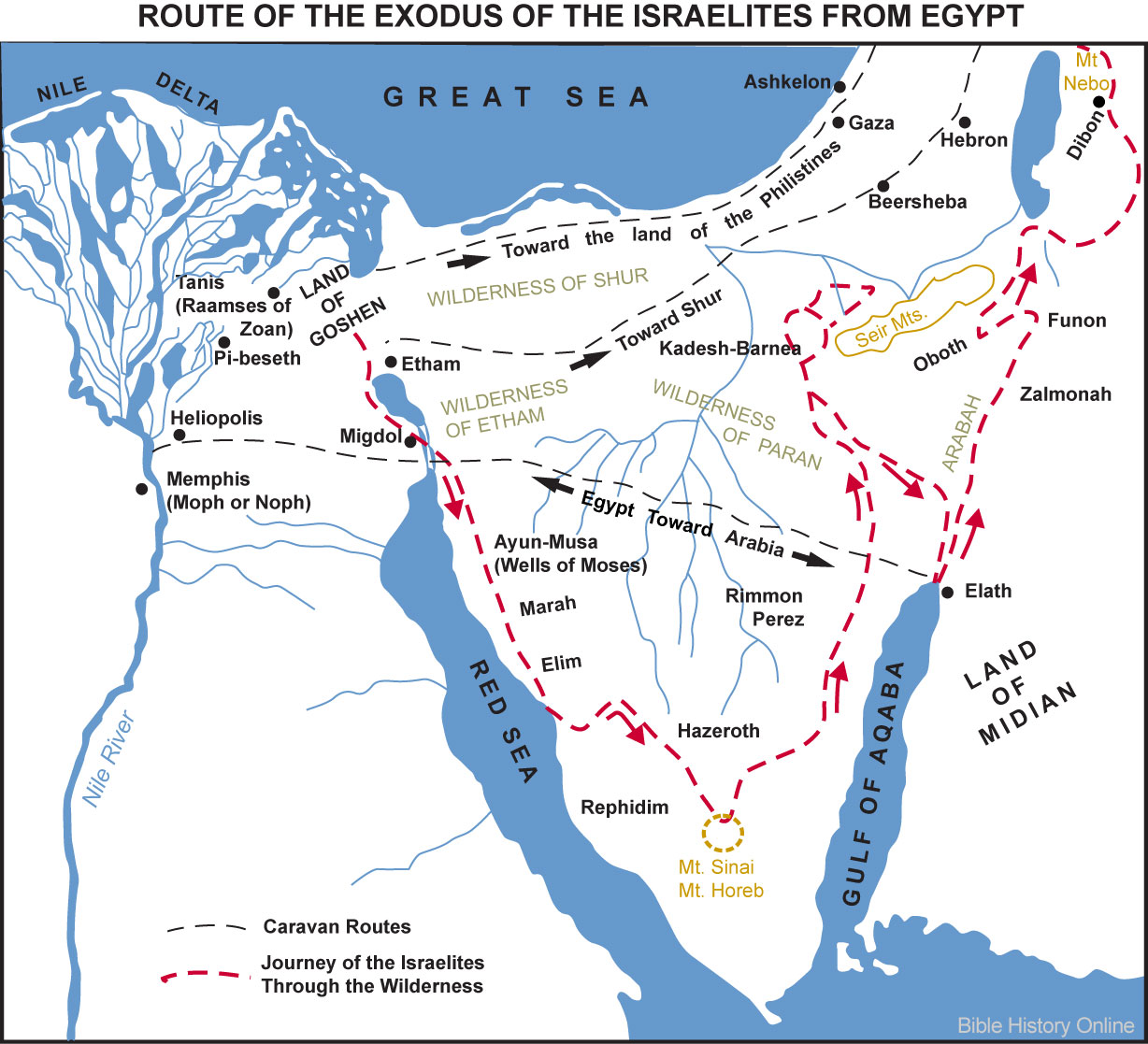


 Seek Grow Love