

One highlight of my year is going to South East Camp held on the mountaintops of the NC Blue Ridge. Years ago, we drove down the mountain to a center with a high ropes course. Everyone suited up with a helmet and a buddy and clipped their carabiner to the first level on the course. Now, I have some friends who are into rock climbing and would be happy to dangle off the top of a mountain just to get the adrenaline rush. However, I am not that person. As a child, I used to get weak knees going to the edge of the second floor balcony at my church. In fact, there are still some rides I refuse to go on at amusement parks, because the drop is just too much. I’ve gotten better, but I definitely am still scared of heights. Going back to our high ropes adventure, I made it through the whole course, including the more difficult parts, but then I came to the end where I needed to zip line down to the ground.
Looking down off the ledge, I could already feel a tingling in my knees and my palms getting sweaty. At that moment, I felt like turning around and going through the whole ropes course again just to make it back down to the bottom, because I felt like that was something that I could control with my body. Even though my heart was racing, I paused to take a few deep breaths, and then I stepped off the side to zoom through the air. In truth, once I picked up my feet, I felt safe and secure in my harness. The obstacle I had to overcome was one of trusting that my harness would do what it was supposed to do. I had to trust in something that I couldn’t control, but was probably the quickest and safest way down.
In Isaiah 31, we read about some trust issues that the Israelites had developed with God. They weren’t afraid of heights in this case; instead, they were afraid of the nations around them. Israel had chosen to rely on numbers of men and horses when they faced battle, and because of this, they had grown to depend on Egypt’s help. They thought that by controlling the amount of man- and horsepower they could bring to a fight they could ensure their victory. However, God reminds them that the “Egyptians are men, not God; their horses are flesh, not spirit” (Isaiah 31:3). God was so much stronger than anyone the Israelites would face, but they refused to see it. By not trusting in God, they paved the way for their own demise (v. 3).
We also have a daily choice between trusting God or trusting our own flesh. It may come in the form of choosing to be obedient to God’s command, by giving away our money or time to someone in need, or by sacrificing a desire to make room for a deeper relationship with God. In those times, we may want to trust in our own minds or bodies, because we feel like we can control those things. But, remember, God is so much more mighty than we are. We can trust him in whatever situation that we face.
~ Cayce Fletcher
Today’s Bible passage can be read or listened to on Bible Gateway – Isaiah 31-34.
Tomorrow, we continue reading about the history of Judah and Israel in Isaiah 35-36– as we continue the 2020 Chronological Bible Reading Plan.

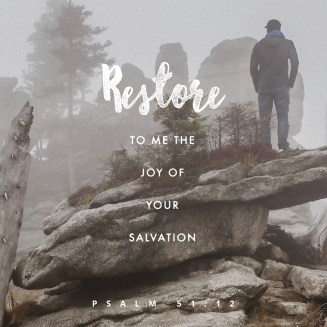
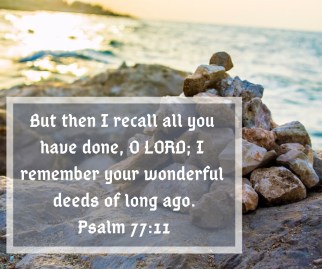 If you are in that moment, remember that God does not leave Elijah there, and he doesn’t want to leave you there either. Instead, he says, “Get up and eat (v. 5). After Elijah eats twice, he goes on a journey forty days and forty nights to the mountain of God. There, Elijah waits, first through a great wind, then through an earthquake, and lastly through a fire. In each of these places, he does not hear God’s voice. Finally, he hears it in the soft whisper, as God asks him “What are you doing here Elijah?” (v. 13) Elijah responds by saying, “I have been very zealous for the Lord God of Hosts, but the Israelites have abandoned your covenant, torn down your altars, and killed your prophets with the sword. I alone am left, and they’re looking for me to take my life” (v. 14). Elijah feels this despair because he had forgotten what God just showed him. In the desert when he was hungry, God was there with provision. He had forgotten that in the showdown, God was there with provision. When we turn our eyes from God to focus on our fractured circumstances, it can lead us to doubt. But, one remedy for that doubt is not only to remember the character of God but also to remember how God has exhibited that character in previous actions of faithfulness. We can trust in him not only because of what we know from the Bible but also because of what we know from our own lives. So, if you are in a wilderness period in your life, pause and remember God’s past faithfulness instead of dwelling on your despair. These reminders can help us to remember that even in our darkest times, God will carry us through.
 Over the next few days, we’re going to look at four wilderness stories in the bible to learn a lesson about what the wilderness is and what it can teach us. The first Wilderness Wandering Lesson is this: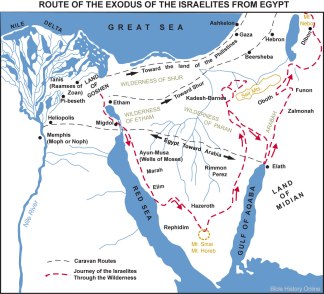



 Seek Grow Love