
*THEME WEEK – PETER – Luke 5
Poetry: Psalm 13
Old Testament: Ezra Intro – see below
This week many are gathering for a week of FUEL – a youth and young adult camp of the Church of God. Our theme for the week matches FUEL’s theme of Peter and our writers this week will all be participants and staff at FUEL. Have a great week seeking God, growing faith and loving more and more!
The past few weeks, I have been thinking about this a lot. We are so quick to cast stones when someone hurts us, or we find something out about someone that we think is wrong or sinful. I have seen this in myself recently. I have been quick to judge people when I don’t agree with their opinions or beliefs. I was very excited to have an opportunity to write about Luke 5. The story about Jesus choosing his first disciples has always been one of my favorites. But I never took the time to read deeper into it.
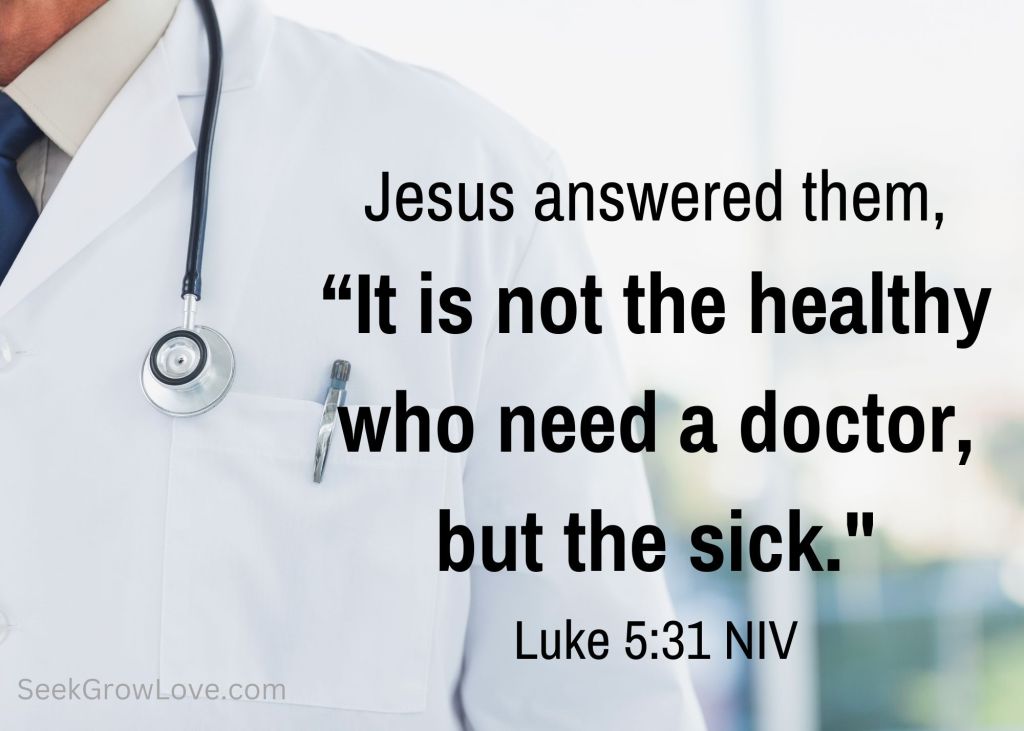
Luke 5: 31
Jesus replied to them, “It is not those who are healthy who need a doctor, but those who are sick. I have not come to call the righteous, but sinners to repentance.”
In this verse, Jesus is speaking to the Pharisees who are watching Jesus have dinner with tax collectors and sinners. In this time, it was crazy and unheard of to associate with these types of people, because they were considered unclean. But Jesus responds and says it is not the healthy who need a doctor, but the SICK.
We are to have the same attitude as Jesus and realize that we ourselves are sick. We have all at one time sinned. Jesus has come and brought us, the sick, out of our sickness so that we can do the same for others.
He shows the same act in Luke 5:8-11
When Simon Peter saw this, he fell at Jesus’ knees and said, “Go away from me Lord, for I am a sinful Man!” For he and all those with him were amazed at the catch of fish they had taken, and so were James and John, Zebedee’s sons, who were Simon’s partners.
“Don’t be afraid,” Jesus told Simon, “From now on you will be catching people.” Then they brought the boats to land, left everything, and followed him.
Jesus called to the lost. He went to the darkest places to reach people and has instructed us to do the same.
It is hard to reach out to people sometimes. Especially when we know their past. But how can we judge someone, when Jesus comes to us and says, “You are forgiven.” It says in James 2:10
“For whoever keeps the entire law, and yet stumbles at one point, is guilty of breaking it all.”
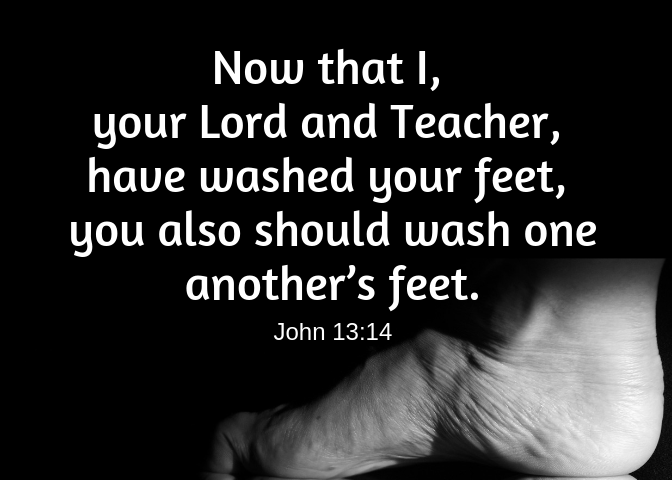
We all know that we have sinned before, we are all sinners, but Jesus calls us – to love each other, and show everyone who HE truly is, WASH THEIR FEET.
Wash the sinner’s feet. Love them and serve people as Jesus would serve. We are all sinners, no matter what it may be, we have all fallen short somewhere.
Jesus washes the feet of his disciples in John 13:1-5. He is free of sin, and yet he washes their feet. In this time, washing of someone’s feet was an act of service. Jesus was willing to serve everyone no matter who they were. We are called to do the same.
It is easy to judge and to say, well I couldn’t do that for this person because… (You fill in the blank). I have done it. I have judged people whether that be at work, or even when I was in school. I have judged and said, “Well that person is too far gone. There’s no way I could forgive them.” But the truth is, that everyone deserves Christ’s love. We are called to be free of judgement and full of love and forgiveness.
You can’t wash feet and throw stones. We can’t do both.
Instead choose to wash the feet of everyone you can, not literally, but be kind and show them Christ’s love.
-Hannah Eldred
Reflection Questions
- When have you judged someone else and believed them to be too sick (in their sins) for Jesus to cure? How have you been proved wrong? What examples from the Bible and people you know prove that Jesus heals sinners and changes lives?
- Jesus called Peter to catch people not fish. What is Jesus calling you to do? What might you have to leave behind (as Peter left behind his fishing boats and nets)?
- How can you – will you – show others the love of Christ this week?
Ezra Introduction
The book of Ezra was written by a man named Ezra who was a Godly scribe and priest – a direct descendant of Aaron the first high priest. The book starts with the decree of the Persian King Cyrus proclaiming the Israelites could return to Jerusalem and build a temple for God. This was prophesied in Jeremiah 25:12; 29:10; 50:1-5; and Isaiah 44:28-45:5,13.
The first half of Ezra details the people who returned, and then describes the fits and starts of building the temple, along with the stiff opposition to building that temple. (It took 23 years to rebuild the temple.)
Once the temple was built, the Israelites needed priests to perform sacrifices and teach God’s laws to the people. It was at this time that Ezra went from Babylon to Jerusalem in a second wave of returning exiles along with priests, Levites, singers, gatekeepers, and temple servants.
I love the description of Ezra found in 7:10, “Ezra had devoted himself to the study and observance of the Law of the LORD and to teaching its decrees and laws in Israel.”
We see a glimpse of his faith in Ezra 8:21-23, “There, by the Ahava Canal, I proclaimed a fast, so that we might humble ourselves before our God and ask him for a safe journey for us and our children, with all our possessions. I was ashamed to ask the king for soldiers and horsemen to protect us from enemies on the road, because we had told the king, “The gracious hand of our God is on everyone who looks to him, but his great anger is against all who forsake him.” So we fasted and petitioned our God about this, and he answered our prayer.”
The second half of the book talks about addressing the sin in Israel, culminating in people’s confession of their sins and their pledge to live according to God’s laws.
I’ll close with Ezra 10:6, “… he [Ezra] ate no food and drank no water, because he continued to mourn over the unfaithfulness of the exiles.”
How often have you been this distressed over your own sins, let alone the sins of people who claim to follow God, or even the sins of our nation?
-Steve Mattison
 Seek Grow Love