
Yesterday we looked at how we should anticipate the King and His second advent just like the Wise Men anticipated His first advent. We now have our own “Star” to turn our eyes towards and to follow. Today we will look at how the Old Testament prepared the way for our Lord and how we now have the same opportunity to prepare the way for His second coming and how we need to be prepared and ready.
It’s Christmas Eve and we are almost to Christmas day, the day we have been preparing for at least the past month. Whether we are going out to buy that last minute gift, or we are getting food ready for Christmas day, we are all probably busy preparing in some way today. I am constantly reminded of the forefathers of our faith in the Old Testament who gave us a little glimpse of the coming Christ and helped to prepare the world for him.
Joseph, for example, was left for dead by his brothers and when given the opportunity to get his brothers back he had mercy on them, and then he gave credit to God, saying “You intended to harm me, but God intended it for good to accomplish what is now being done, the saving of many lives.” –Gen 50:20. Jesus was placed on a cross by the very people of whom He was supposed to be the King, yet during his pain and agony he said, “Father, forgive them, for they do not know what they are doing.” – Luke 23:34
Moses delivered the Israelites from pharaoh and his army. Likewise, Christ delivered the world from death and sin for those who choose to follow him. Abraham followed the commands of God and left his home country, and later was willing to sacrifice his promised son, Isaac. God was willing to provide Jesus, His son, as a sacrifice for us. The list goes on and on, but the point of mentioning these patriarchs is to recognize that they were preparing the way for the Lord and showing us a glimpse of what was to come.
Christmas is a reminder to us also, that as we prepare for our celebration tomorrow, we also need to believe that Jesus will come back to this earth (maybe tomorrow) and in the same way prepare ourselves and our hearts for his coming and the great celebration. When I think of being prepared I am reminded of the parable of the ten virgins in Matthew 25.
1“At that time the kingdom of heaven will be like ten virgins who took their lamps and went out to meet the bridegroom. 2Five of them were foolish and five were wise. 3The foolish ones took their lamps but did not take any oil with them. 4The wise ones, however, took oil in jars along with their lamps. 5The bridegroom was a long time in coming, and they all became drowsy and fell asleep.
6“At midnight the cry rang out: ‘Here’s the bridegroom! Come out to meet him!’
7“Then all the virgins woke up and trimmed their lamps. 8The foolish ones said to the wise, ‘Give us some of your oil; our lamps are going out.’
9“ ‘No,’ they replied, ‘there may not be enough for both us and you. Instead, go to those who sell oil and buy some for yourselves.’
10“But while they were on their way to buy the oil, the bridegroom arrived. The virgins who were ready went in with him to the wedding banquet. And the door was shut.
11“Later the others also came. ‘Lord, Lord,’ they said, ‘open the door for us!’
12“But he replied, ‘Truly I tell you, I don’t know you.’
13“Therefore keep watch, because you do not know the day or the hour. Matthew 25:1-13
None of the ten knew when the bridegroom was coming, they only knew that he was coming. When he did come, five were wise and five were foolish. The only difference between the wise and foolish was in their preparation, or lack thereof. We have the same privilege as our patriarchs of knowing that Jesus is coming, yet it’s left up to each one of us to choose whether we will be prepared. I promise you that it’s a celebration you do not want to miss out on!
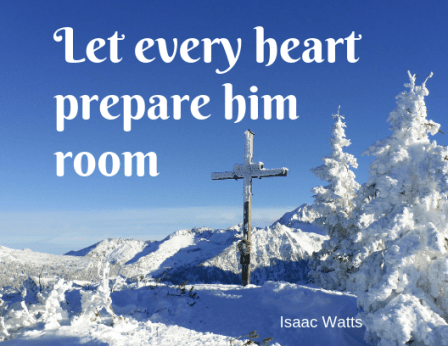
“Let every heart prepare Him room”.
-Luke Elwell



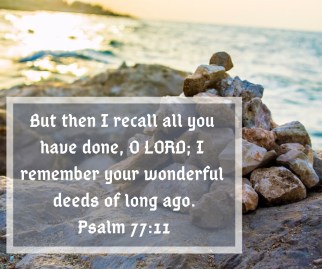 If you are in that moment, remember that God does not leave Elijah there, and he doesn’t want to leave you there either. Instead, he says, “Get up and eat (v. 5). After Elijah eats twice, he goes on a journey forty days and forty nights to the mountain of God. There, Elijah waits, first through a great wind, then through an earthquake, and lastly through a fire. In each of these places, he does not hear God’s voice. Finally, he hears it in the soft whisper, as God asks him “What are you doing here Elijah?” (v. 13) Elijah responds by saying, “I have been very zealous for the Lord God of Hosts, but the Israelites have abandoned your covenant, torn down your altars, and killed your prophets with the sword. I alone am left, and they’re looking for me to take my life” (v. 14). Elijah feels this despair because he had forgotten what God just showed him. In the desert when he was hungry, God was there with provision. He had forgotten that in the showdown, God was there with provision. When we turn our eyes from God to focus on our fractured circumstances, it can lead us to doubt. But, one remedy for that doubt is not only to remember the character of God but also to remember how God has exhibited that character in previous actions of faithfulness. We can trust in him not only because of what we know from the Bible but also because of what we know from our own lives. So, if you are in a wilderness period in your life, pause and remember God’s past faithfulness instead of dwelling on your despair. These reminders can help us to remember that even in our darkest times, God will carry us through.
 Over the next few days, we’re going to look at four wilderness stories in the bible to learn a lesson about what the wilderness is and what it can teach us. The first Wilderness Wandering Lesson is this: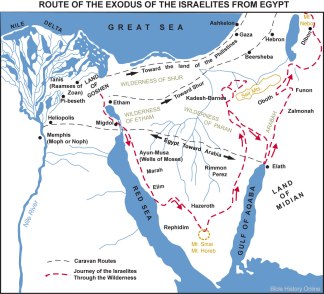





 Seek Grow Love