
~ Devotion by Cayce Fletcher (SC)
Cayce Fletcher is a wife and homeschool mom of three. She writes and podcasts at amorebeautifullifecollective.com where she helps women cultivate a life of depth, discipline, and delight. Read the latest post on finding beauty in the everyday here.
This week, we’ve been approaching ever so slowly the end of the Israelites’ 40th year in the wilderness. There has been a changing of the guard throughout these chapters – with the deaths of Miriam and Aaron and now the foretold death of Moses. God takes this time now to prepare Joshua for the task of leading the people through these words given to Moses.
You may think that Moses would focus on something more akin to the ‘12 irrefutable laws of leadership,’ but he takes this time to double down on the system of sacrifices that the law instituted.
- Offer a lamb in the morning.
- Pour out a drink offering each day.
- Offer some flour each day.
- Offer a lamb in the evening.
- Offer two lambs on the Sabbath.
- Offer two bulls from the herd, one ram, seven male lambs a year old without blemish at the beginning of the month plus a male goat
- On the Passover (during the first month of the year) make an additional offering everyday for seven days
- During the other festivals throughout the year, make an offering
Over and over, the commandments are the same: Make an offering. Make an offering. Make an offering.
Joshua’s role as leader of the people was not to be successful – whether in the ancient ways of building more impressive buildings or in the modern ways of money and acclaim amongst the people. His role was to shepherd the people to follow the ways of God. And, central to the ways of God is this system of offerings.
Burnt Offerings were so important because “the burnt offering required the worshipper to incinerate a valuable asset which could have been used to increase one’s wealth. The worshipper would have to believe that the Lord would provide for their needs regardless of the loss” (from Favor by Fire: Burnt Offerings and the Bible). Burnt Offerings required the Israelites to order their hearts rightly and sacrifice in complete trust and obedience (much like tithing today).
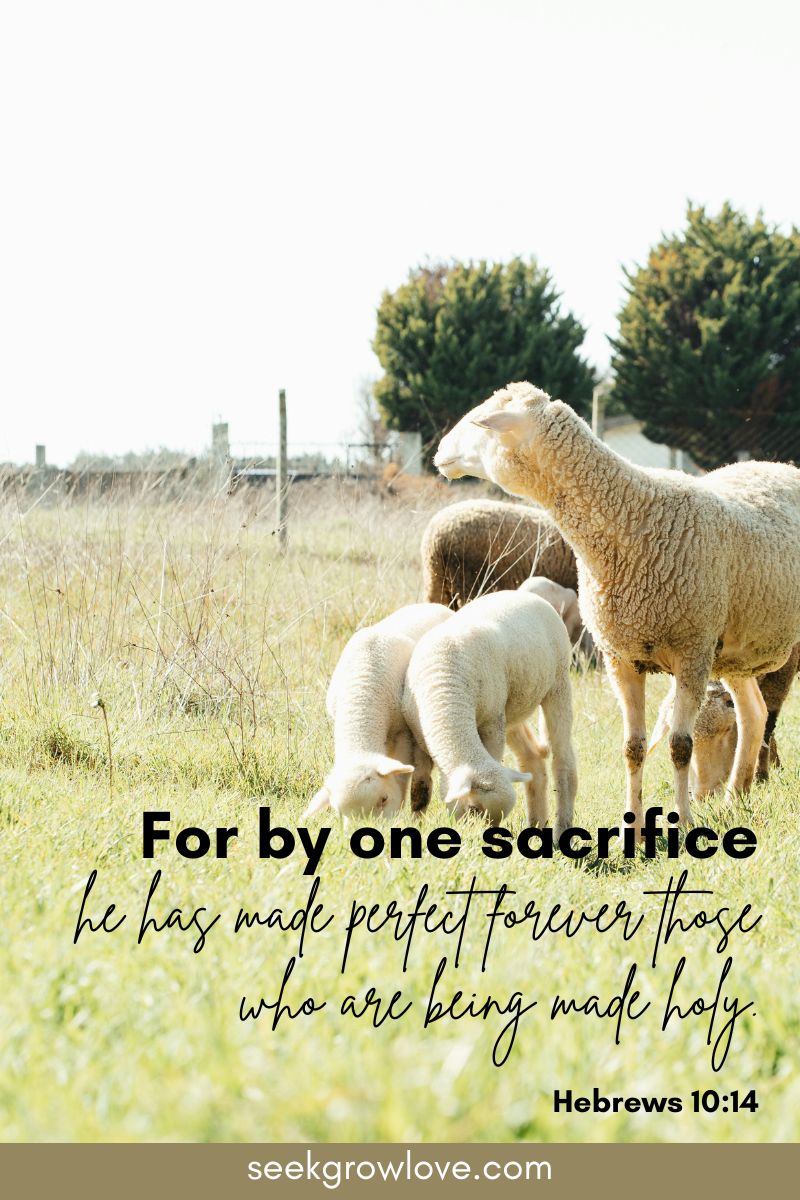
Burnt Offerings also beautifully point to the future atonement of Christ’s work on the cross. Hebrews 10:11-14 says, “Day after day every priest stands and performs his religious duties; again and again he offers the same sacrifices, which can never take away sins. But when this priest [aka Jesus] had offered for all time one sacrifice for sins, he sat down at the right hand of God, and since that time he waits for his enemies to be made his footstool. For by one sacrifice he has made perfect forever those who are being made holy.”
It’s fitting that this is the basis for Moses’ instructions to Joshua. To be a leader means that you have to live with sacrifice at the forefront of your mind. You have to base your decisions on God and treat your influence and accomplishments tenderly, stewarding them rather than boasting in them.
Moses’ final instructions remind us of the focus of our life. We should live for God in all that we do. And, that requires sacrifice.
Reflection Questions
- What would burnt offerings require of the people in the past? Why did God require this sacrifice?
- How is the idea of sacrifice different under the New Covenant? Do we still have to practice a form of daily sacrifice?
- How did the ancient form of sacrifices point to Jesus as the ultimate sacrifice?
Prayer
God,
Thank you for the perfect gift of your son as our saving sacrifice. Let us be a daily offering to you through our lives. Let all we are and do bring honor and glory to you.
In Jesus’ name,
Amen.

 Seek Grow Love