In Need of a Shepherd

OLD TESTAMENT: EXODUS 2

POETRY: PSALM 23

NEW TESTAMENT: MATTHEW 18:21-35

The hot, dry desert sun beat down on the reddened backs of the laborers, scars crisscrossing their backs from where the whips had cracked. Generations after generations of Israelites had born and died as outcasts and slaves in Egypt, living as foreigners and aliens in a pagan land. They had been the victims of genocide, their babies torn from their arms and murdered. The only sin the Israelites had done to the Egyptians was existing and multiplying. It was the Egyptians’ fear that caused them to mistreat the Israelites and make their lives bitter. 

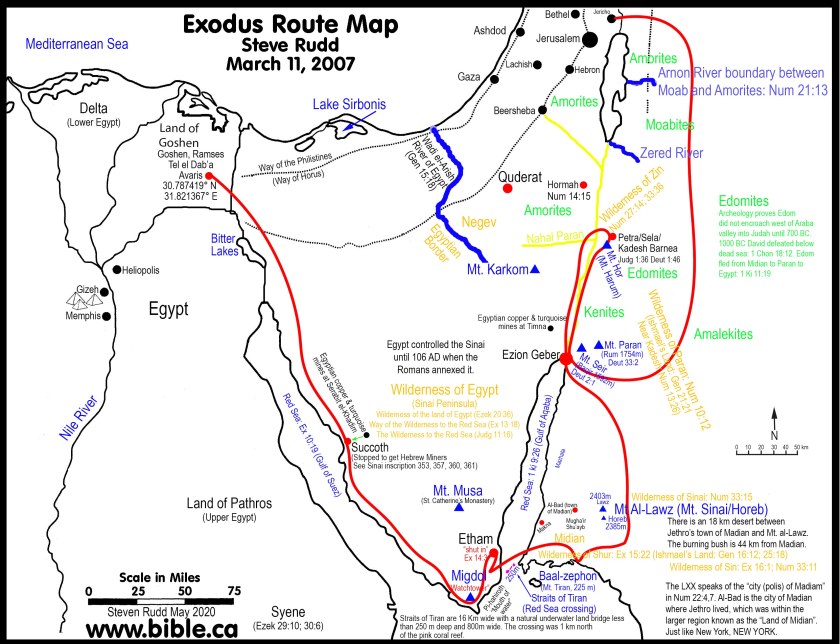
Yesterday, we considered how we were like sheep that had gone astray. The theme of sheep and shepherds runs deep throughout the Bible. Abel was the first shepherd and his sacrifice was the one that God preferred. Noah, Abraham, and Isaac all were wealthy with livestock, but the next patriarch who is described primarily as a shepherd is Jacob. He builds his wealth through gathering up the speckled and spotted sheep of Laban. These vast herds of sheep followed his family to Egypt where the Israelites settled in the land of Goshen nestled in the Nile Delta. Shepherds were detestable to the Egyptians at that time. The Nile Delta was actually the best in the land for their family. 

Jacob’s family lived in peace and grew to be a mighty numerous nation. After years and years in the land, the Egyptians turned against them and began to subjugate the Israelites with forced labor. “The Israelites groaned because of their difficult labor, they cried out, and their cry for help because of the difficult labor ascended to God. God heard their groaning, and God remembered his covenant with Abraham, with Isaac, and with Jacob. God saw the Israelites, and God knew” (Exodus 2:23-25). 

The Israelite people needed a shepherd. They needed someone who would come and deliver the people from the misery of their Egyptian enslavement to a better life. During this time, I’m sure that they dealt with doubt. They may even have dealt with unbelief, feeling that nothing would ever change in their lives. 

But, they had the truth of the promise of the covenant of God to fall back on. Abraham was told in Genesis 15:13-16 that his descendants would be foreigners and aliens, enslaved and oppressed, for 400 years. God ended this prophecy by saying, “However, I will judge the nation they serve, and afterward they will go out with many possessions.” 

In Exodus 2, we read that God saw and knew the Israelites’ groaning and misery. At that moment, he was setting in motion a plan to deliver his people and bring to pass the deliverance of them to the promised land of Abraham, Isaac, and Jacob. 

That plan would be fulfilled with none other than a shepherd boy (or old man- since Moses was close to 80 at the time). Moses was away finding a lost sheep when he encountered God in the burning bush. A type of our savior, he went to rescue the Israelites and save them from their enslavement. 

Moses would go from being a shepherd in the land of Midian to a shepherd of God’s people. 

~ Cayce Fletcher

Cayce writes about discipleship, productivity, and homemaking at her blog https://amorebeautifullifecollective. You can find her latest post on cultivating good habits here. You can also listen to A More Beautiful Life Collective Podcast on Apple Podcasts, Spotify, YouTube, or wherever you listen to podcasts. 

REFLECTION QUESTIONS

  1. Why are sheep and shepherds such an important and repetitive theme throughout the Bible? What is God trying to teach us about ourselves by using this pattern? 
  2. Abraham was told the prophecy that his people would live in enslavement and oppression through no fault of their own. We read about the effects of this enslavement in our scripture today. How do you make sense of suffering in light of the sovereignty of God?
  3. Read John 10:11-18. In John 10:11,  Jesus says, “I am the good shepherd.” How is Jesus a good shepherd to us? 

SGLCalendar2024DOWNLOAD

Breaking the Sin-Cycle

Old Testament: Isaiah 1-2

Poetry: Psalm 59 

New Testament: Hebrews 4

In yesterday’s devotion, we were reminded of the importance of obedience and the dangers of disobedience. Even though the passages that we read yesterday were years and years removed from our reading today in Isaiah, similar themes run through both. Israel was continuously going through a sin-cycle of disobedience, discipline, and then a decision to return to God. In Isaiah 1, we see the harsh consequences of sin again. Verse 5 says, “Why will you still be struck down? Why will you continue to rebel? The whole head is sick and the whole heart is faint.” Sin has eternal consequences, and it also has consequences in our daily life. Because of the Israelites’ sin, their home was destroyed, and all of the things that they loved were taken away. Even though sin was destroying them from the inside out, they still refused to submit to God. 

In many ways, we can talk about sin with the same language that we use for other negative repetitive behaviors, like addiction. People who are addicted to something keep returning to it even if the actual desire to do the thing isn’t there. They may actually hate the thing that they do, but they can’t seem to stop themselves from returning to it (which sounds a lot like my relationship with social media). Israel continued to return to sin despite the pain that it caused. 

In verses 18-20, we see a promise to the Israelites. It says, “Come now, let us reason together, says the LORD: though your sins are like scarlet, they shall be as white as snow; though they are red like crimson, they shall become like wool. If you are willing and obedient, you shall eat the good of the land; but if you refuse and rebel, you shall be eaten by the sword; for the mouth of the LORD has spoken.” On their own, Israel could never break out of the sin cycle. When they rested on their own power, they fell back into disobedience. 

But, we don’t have to rely on our own power to break our addiction to sin. This promise for the Israelites – the promise to be made clean, to be freed from sin – found its fulfillment in the sacrifice of Jesus on the cross. 2 Corinthians 1:20 says, “For all the promises of God find their Yes in him.” We now have been grafted into the body of Christ. The promise that was given to Israel has been given to us as well. This is why we can break the sin-cycle in our lives. We don’t have to rely on our own works; we find our rest in him. Hebrews 4:9-11 says, “So then, there remains a Sabbath rest for the people of God, for whoever has entered God’s rest has also rested from his works as God did from his. Let us therefore strive to enter that rest, so that no one may fall by the same sort of disobedience.” We can enter into this state of rest because Jesus has done the work for us. He was the sacrifice that made us clean. Just like the Israelites waited for the Promised Land, we wait in hope for the Kingdom, our eternal glorious place of rest. We have to hold fast to the truth and choose to live rightly. 

How then should we live? Isaiah describes a life that is lived rightly: “Wash yourselves; make yourselves clean; remove the evil of your deeds from before my eyes; cease to do evil, learn to do good; seek justice, correct oppression; bring justice to the fatherless, plead the widow’s cause.” (Isaiah 1:16-17). 

Let’s pursue righteousness as we wait for the fulfillment of the promises of God. 

~Cayce Fletcher

***You can find more of Cayce’s writing at www.amorebeautifullifecollective.com.***

REFLECTION QUESTIONS

  1. Why is it so hard to change our behavior on our own power?
  2. In what ways does it comfort you to know that the Holy Spirit can help you break the sin-cycle?
  3. Do you feel as though you are resting in Christ, or are you relying on your own works?

sgl23bibleplanDOWNLOAD

Rebellion, Discipline, and Obedience

Old Testament: Isaiah Introduction (See Below)

Poetry: Psalm 58

New Testament: Hebrews 3

After several years of teaching, I recently had the opportunity to stay home with my two kids. My oldest is three, and he has a mind of his own. Much of my day is spent doing fun things, like playing outside, reading books, and building Lego towers. But, with a toddler, there are always going to be times of correction. Discipline now is necessary for a happy, healthy, well-adjusted human later on. But disciplining through rebellion has its share of tears, tantrums, and yelling of “No.” 

Today, we read about a similar situation of discipline. There are two choices we have in life. We can choose to be obedient to God, submitting to his word, or we can choose to pursue our own desires, rejecting God’s word. One path is the path of righteousness and life. The other is the path of sin and death. In Psalm 58, we read about the harsh judgment reserved for those who are not righteous. In verse 10, “The righteous will rejoice when he sees the vengeance; he will bathe his feet in the blood of the wicked. Mankind will say, “Surely there is a reward for the righteous; surely there is a God who judges on earth.” 

As Hebrews 3:7-8 says, “There as the Holy Spirit says, ‘Today, if you hear his voice, do not harden your hearts as in the rebellion on the day of testing in the wilderness.’ We must take care of the condition of our hearts. If our heart is soft to God’s leading, we will listen in obedience to what he says, and we will do it. However, if our heart is hard, we will be more likely to reject God’s commands. 

How do we know the condition of our heart? It’s important to look at our actions. If what we do is lined up to God’s word, then we have a heart to listen to what he says and follow it. I’ve heard it described as a plumb line that we use to measure up our actions. If we are out of line, God’s word will call us out. 

What does a hard heart look like? If you notice that your actions are consistently not matching up with godly living as described in the Bible, that is a good indication that you have hardened your heart to his teaching. You are living in rebellion. Those words seem harsh, but they line up with the way that Hebrews describe them. If you consistently read that you should do something but you don’t, you are not living righteously. Just like the notifications on your phone, you swipe out of and never look at or the alarm you press snooze on, you are desensitizing yourself to the effects of sin. You’ve become “an evil, unbelieving heart” that is “hardened by the deceitfulness of sin” (v. 12-13). 

We need to encourage each other to pursue a righteous life of obedience. That is what we are called to do. 

~Cayce Fletcher

***You can find more of Cayce’s writing at www.amorebeautifullifecollective.com.***

Isaiah Introduction

The book of Isaiah was written by the prophet Isaiah to the southern tribe of Judah at a time when the Assyrian empire threatened Judah’s destruction.  The name Isaiah means “the Lord saves”.  Isaiah is quoted in the New Testament more than any other Old Testament prophet.

While Isaiah predicted that Judah would eventually be defeated because of their sins; he also predicted a message of hope – the coming messiah (a suffering servant), would come to establish the Kingdom of God on the earth.

Some have suggested that the first 39 chapters of Isaiah focus on doom and gloom, similar to the 39 books of the Old Testament; while the 27 last chapters (40 – 66) of Isaiah focus on hope and restoration, similar to the 27 books of the New Testament.

There are many prophecies in Isaiah about the “last days”, the “Day of the Lord”, the promised messiah (Jesus), God’s suffering servant (also Jesus), conditions in the millennium, and the coming Kingdom of God.

One of my favorite verses is Isaiah 41:10, “So do not fear, for I am with you; do not be dismayed, for I am your God.  I will strengthen you and help you; I will uphold you with my righteous right hand.”

–Steve

REFLECTION QUESTIONS

  1. Have you walked through a season of rebellion? What was the outcome?
  2. What is the importance of obedience?
  3. What is the current status of your heart? How do you know?

sgl23bibleplanDOWNLOAD

The Good News

Old Testament: 1 Chron 4-6

Poetry: Ps. 141

New Testament: Colossians 1

Last year, the young adults at my church went through an in-depth study of the gospel. We discussed what the gospel is and why it is so important to be able to “give an answer for the hope that you have” (1 Peter 3:15). What is your understanding of the gospel? Go ahead a pause for a minute and try to sum up what you think the gospel is in a few sentences. 

It’s important to be able to quickly and succinctly sum up what the gospel is. Yes, we can go deeper in our theology. Some things about our Christian walk take a whole life time of wisdom to be able to truly understand. However, when it comes to the basic building blocks of our faith, we need to have an answer for it. We need to understand what we believe. This is the first step towards spiritual maturity. 

In today’s reading, Paul begins his letter to the Colossian church. He give thanks to God for the people in the church and then describes to them why Christ should be so highly esteemed. This passage is a good go-to passage for understanding what the gospel is. Paul begins in Colossians 1:18-20, “And [Jesus] is the head of the body, the church. He is the beginning, the firstborn from the dead, that in everything he might be preeminent. For in him all the fullness of God was please to dwell, and through him to reconcile to himself all things, whether on earth or in heaven, making peace by the blood of his cross.” The gospel, or good news, is the reconciling of us to God through the blood of Jesus. Jesus’ sacrifice made peace between God and man. Not only that, the gospel also points to our hope. Jesus was the firstborn from the dead. His resurrection is proof and assurance of our future resurrection. 

Paul goes on to describe how the gospel changes us in verses 21-22. He says, “And you, who once were alienated and hostile in mind, doing evil deeds, he has now reconciled in his body of flesh by his death, in order to present you holy and blameless and above reproach before him.” When we were not reconciled, we lived doing evil deeds. We were in darkness. Because we have been justified before God, we also can be sanctified. This is the process of being made holy, blameless, and above reproach before God. We are learning how to be made righteous, be made perfect. This is a process that takes a lifetime. The gospel changes everything about us, maybe not right away – but instead through consistently trying to live for God in the best way we can. 

This is why it is so important to understand the gospel and be committed to living for God throughout our life. We will be sanctified “if indeed [we] continue in the fath, stable and steadfast, not shifting from the hope of the gospel that [we] heard” (v. 23). Hold fast to the one who saves! 

~ Cayce Fletcher

You can read more devotions and studies written by Cayce Fletcher at amorebeautifullifecollective.com

Reflection Questions: 

  1. What is your understanding of the gospel? Write down a 1-3 sentence description of what the gospel is.  
  2. Using your understanding of the Old Testament, why was Jesus’ sacrifice necessary to justify us before God?   
  3. What has the gospel changed in your life?   

sgl23bibleplanDOWNLOAD

The Loving Character of God

Old Testament: 1 & 2 Chron Introduction (See below)

Poetry: Ps. 139

New Testament: Philippians 4

In the midst of all of our discussions of punishment for sin and idolatry, it can paint a picture of a harsh, just God. We know that God is doing the right thing, but it seems like the right thing is also cruel. Today’s scripture brings into focus another aspect of God that proves how loving and truly kind God is. Psalm 139 is a famous scripture and for good reason. Here are some truths we can learn about God from this beautiful and comforting Psalm. 

  1. God knows who we truly are. We cannot hide from God, and we don’t need to feel like we have to. The Psalm begins, “O Lord, you have searched me and known me! […] Even before a word is on my tongue, behold, O LORD, you know it altogether” (v. 1, 4). We can find great comfort in that all the ugly, messed up parts of ourselves is already known to God. We don’t need to try to “flee from [his] presence” (v. 7) because he is already there. This shouldn’t make us feel afraid. Instead, we should feel like we can bring everything we are to God and lay it at his feet. He already knows anyway. 
  2. God’s boundaries are good boundaries. Verse 5 says, “You hem me in, behind and before, and lay your hand upon me.” When we think of God’s law, we can think of it as the rules that keep us safe. It reminds me of the baby gates in my house. My little girl is just starting to crawl. The one place in the house that she always wants to get to is the stairs. She has no idea how to go down them though! The baby gates in my house protect her from the thing that she wants to do. It is a boundary, a law, of protection that turns out to be provision for her. 
  3. God knows our days. We can find great comfort in the sovereignty of God. As we face trials and uncertainties, we know that “Your eyes saw my unformed substance; in your book were written, every one of them, the days that were formed for me, when as yet there was none of them” (v. 16). We believe that God is a good God, and we know that he has good things in store for us. It may not always work out like we hope. But, it will be something that works out for the glory of God. And ultimately, that is the best good. 

As we consider the punishment that God gives, its always important to center that conversation on the never-changing character of God. Exodus 34:6-7 describes the character of God in this way, “The LORD, the LORD, a God merciful and gracious, slow to anger, and abounding in steadfast love and faithfulness, keeping steadfast love for thousandth generation, forgiving iniquity and transgression and sin, but who will by no means clear the guilty, visiting the iniquity of the fathers on the children and the children’s children, to the third and fourth generations.” We see here the story of Israel played out. Yes, God punished a few generations of children because of the iniquity of the Israelites. But, before that, God was faithful and stood by the Israelites. Not only that, after the Israelites were in exile for a few generations, God brought them back. He remembered them and brought them home to the Promised Land. Truly how “Wonderful are your works; my soul knows it very well” (Ps. 139:14). 

~ Cayce Fletcher

Reflection Questions: 

  1. How does reading about the punishment for idolatry make you feel? Does reading about the character of God change those feelings?   
  2. Read Ps. 139:7-12. What does it mean to you that God’s presence is everywhere? How does that change the way you live?   
  3. Pray over verses 23 and 24. Bring to God any of the areas of your life that you feel like a “grevious” to him.   

1 & 2 Chronicles Introduction

The word chronicles means “a factual written account of important or historical events in the order of their occurrence.”  The books of 1 & 2 Chronicles list two such important pieces of information for post-exilic Jews.  

The first is the list of genealogies recorded in the first 9 chapters of 1 Chronicles.  This was important for Jews after the exile to be able to trace their lineage to God’s promised people, and therefore to the promises God made to Abraham.  

The second reason for the name “Chronicles” is that 1 & 2 Chronicles retells the story that was originally told in 1 & 2 Samuel and 1 & 2 Kings.  The difference is that 1 & 2 Chronicles gives only information on the kings of the Southern Kingdon (King David and his descendants).  

These books were written after the fall of the Southern Kingdom to Nebuchadnezzar’s army around 587 BC.  And since the last chapter also includes information about the edict of Cyrus – allowing the Jews to return to Israel –, which took place in 539 BC, these books were likely written in or shortly after 539 BC.

While 1 & 2 Samuel and 1 & 2 Kings share much of the same historical narrative as 1 & 2 Chronicles, Samuel and Kings point out that Israel is being punished for her sins.  Chronicles was written to inspire hope and faith in God.  

Another example of the difference is that Chronicles shows the kings in a more favorable light, including evil king Manasseh, who 2 Chronicles records as repenting of his sins – a fact not recorded in 2 Kings.

Finally, Chronicles shows more cause and effect within a king’s lifetime for his decision to follow or forsake God.  

As you read through 1 & 2 Chronicles, may you too recognize the results of not only the kings’ life choices but also the consequences of your own life choices.  And may you also experience the hope Chronicles tries to convey.  And may you be among those people God is referring to when he said, in 2 Chronicles 7:14, “if my people who are called by my name humble themselves, and pray and seek my face and turn from their wicked ways, then I will hear from heaven and will forgive their sin and heal their land.”

–Steve

sgl23bibleplanDOWNLOAD

Where is your citizenship?

Old Testament: 2 Kings 23-25

Poetry: Ps. 138

New Testament: Philippians 3

The place where we live is so central to who we are as people. It truly is one of the most important parts of our identity. It changes everything: from the foods we like, the music we listen to, the political parties we vote for, our priorities… basically everything. I’m from the south, and I remember going to our national church camp, FUEL, in the summer and being teased for the way we talk, the types of drinks we like (Who doesn’t like sweet tea? Oh right, all you northerners.), and the music we listen to. Before going to these camps, none of those things even struck me as weird. It was just the way everyone around me lived. Where we live can define us. But, we have a more important citizenship – a more important place of belonging – than just our physical address. 

Today, we read about the final demise of the Israelite nation. From the beginning, when God called Abraham out of the future land of Babylon and into the promised land of Canaan – the future land of Israel, there was a beacon of hope and assurance that God was for the Israelite people and would come to their aid. They were his people. 

Even though Josiah instituted reforms to bring his people back to God, the evil the people of Judah had done was so great that God promised, “I will remove Judah also out of my sight, as I have removed Israel, and I will cast off this city that I have chosen, Jerusalem, and the house of which I said, My name shall be there” (2 Kings 23: 27). The devastating consequence of sin is the removal of belonging with God. This meant that the people of Judah – the last remnant of the Israelites who had settled in Canaan – could no longer find their citizenship in the Promised Land. Instead, they were taken captive by the Babylonians and returned to the land that God had called them out of. This is a harsh statement of rejection of the Israelite people. The one whom God had said, ‘I called you out of Egypt to be my chosen possession’ had been returned to the places of captivity. 

Citizenship, rejection. Freedom, captivity. These opposite poles of human existence that the Israelites could choose based on how obedient they were to God’s commands. Because they rejected God’s commands, he rejected them. The freedom they would have in submitting to God and setting boundaries on their freedom based on his law became captivity under other rulers due to their desire to do whatever they pleased.

We have the same promise and warning today. The same choice is set before us. We can choose for our citizenship – our place of belonging – to be in heaven (Phil. 3:20-21) or to be enemies of Christ (v. 18). Phil. 3:19 describes these enemies in the following way: “Their end is destruction, their god is their belly, and they glory in their shame.” This statement could have been written for the people in Judah and Israel. And it could be written to those today who choose to do whatever is right in their eyes rather than follow God’s word. 

To be citizens of heaven, we must follow Paul’s example. I “press on to make it [the resurrection of the dead, aka the Kingdom Life we are promised] my own, because Christ Jesus has made me his own. Brothers, I do not consider that I have made it my own. But one thing I do: forgetting what lies behind and straining forward to what lies ahead. I press on toward the goal for the prize of the upward call of God in Christ Jesus” (v. 12-14). Hold fast to God, and obey his commands! Choose to be a citizen of God’s Kingdom! 

~ Cayce Fletcher

Reflection Questions: 

  1. How does the place where you live affect who you are as a person?   
  2. How would a citizen of the Kingdom act differently than those of the world? Where do you find your citizenship?   
  3. There’s a glimmer of hope in 2 Kings 25:27-30. Jehoiachin is able to “put off his prison garments. Every day of his life he dined regularly at the king’s table.” How do you put off your prison garments of sin and dine at the table of the King in your everyday life?   

sgl23bibleplanDOWNLOAD

Shine like Stars

Old Testament: 2 Kings 21-22

Poetry: Ps. 137

New Testament: Philippians 2

My son, Jonah, is afraid of the dark. For a while, after we would read him a bedtime story and sing “Silent Night” as a lullaby, we would close the door to a dark, quiet room. And, a few moments later, we would hear the pitter-patter of feet as he would get out of his toddler bed, go over to the lamp in his room, and click it on. One day while he was playing, he told me that he had to turn his light on because he doesn’t like the dark because there are monsters in the dark. 

Even though I am grown, I can empathize with his fears. I remember – and I bet you do too – those moments of fear when the lights go out. I remember begging my parents to leave the closet light on because I was unsure what was lurking out there in the dark past my bed. It seems only natural to be a little afraid of the dark, those places you can’t see. It’s a built-in defense mechanism that humans have to navigate nighttime in our world. 

The Bible is full of themes that occur from beginning to end. You could trace the way water is used as a symbol of chaos and cleansing or the way trees represent a strong, godly life. One theme that occurs from beginning to end is the contrast between dark and light. Darkness is always connected with sin and evil, whereas light is connected with righteousness and God himself. 

This is a quick overview of the way this theme is used in scripture. In the beginning, God created the light and called it good (Gen. 1:4). After the fall, the world is described as being in darkness. God is constantly beckoning his people to be a light to the surrounding nations (Gen. 15:5), but Israel repeatedly chose darkness. Jesus is the true light that shines out into the dark world – and his light “gives light to everyone” (John 1:9). We are now the torchbearers that continue to shine a light in the world. We are called to “shine as lights in the world” (Phil. 2:15). We “cast off our works of darkness and put on the armor of light” (Rom. 13:12, see also Eph. 5:7-14). 

We see an example of being a light to the world in Judah’s king Josiah. After two dark, wicked kings of Judah, Josiah repairs the temple. He becomes a light to the nation calling them back to worship God and obey him after over half a century of disobedience. He repairs the temple and shares the law with Judah. The people were in darkness because of the evil kings, but Josiah was being a light pointing them back toward God. Just like the nation of Judah, we also have a tendency to pull toward darkness. In fact, sometimes we seem to like darkness; we prefer it over having our deeds exposed in the light. However, since we are in Christ, we need to put aside those worldly desires and choose to follow God completely. God is light and there is no darkness in him (1 John 1:5). We cannot do the deeds of darkness and follow God at the same time. Let’s be like King Josiah, and be a leader of light to those around us. 

~ Cayce Fletcher

Reflection Questions: 

  1. Why do you think that the Bible uses the imagery of light and darkness to represent good and evil?   
  2. How was King Josiah a light to his country?   
  3. How can you be a light that represents Jesus to others today? What are some actions you could take?   

sgl23bibleplanDOWNLOAD

When You Don’t Know What Else to Do

Old Testament: 2 Kings 19-20

Poetry: Ps. 136

New Testament: Philippians 1

Yesterday, we learned about the exile of the nation of Israel because of the idolatry that they practiced. 2 Kings 17:34 describes the Israelites who lived in Samaria: “To this day they do according to the former manner [fearing God but also serving the gods of the surrounding nations]. They do not fear the LORD, and they do not follow the statutes or the rules or the law of the commandments the LORD commanded the children of Jacob, whom he named Israel.” The nation of Israel had spiraled down the dark, deep hole of sin that ended in exile. 

There is a glimmer of hope in 2 Kings 18, as we read about Hezekiah the good king of the neighboring nation, Judah. “He trusted in the LORD, the God of Israel, so that there was none like him among all the kings of Judah after him, nor among those who were before him. For he held fast to the LORD. He did not depart from following him but kept the commandments that the LORD commanded Moses” (v.5-6). 

A little over halfway through his reign, Hezekiah is faced with a terrible situation. The king of Assyria attacks Judah and forces Judah to pay him tribute. Things even got so bad that Hezekiah stripped the gold off the temple doors and gives it to the Assyrian king. The Assyrians mock God and swear that God has forsaken Judah. This is where chapter 19 picks up. 

When faced with a terrible situation, what does Hezekiah do? Hezekiah humbles himself, goes to God, and listens. Hezekiah sent people to Isaiah to pray in the nation’s behalf (v. 4). This proves to be exactly the right course of action. 

We can learn so much from the reign of Hezekiah, but I think it’s so important to look at how he handled these difficult situations. You can follow the example of Hezekiah in doing the following: 

  1. Humble yourself. Hezekiah tore his clothes and covered himself with sackcloth. He didn’t try to appear to have his life together. He recognized the severity of the situation and knew he could not save himself without God. 
  2. Go to God. Hezekiah went to the house of the Lord immediately. He knew where to turn with the situation got tough. 
  3. Seek counsel and comfort from godly people. Hezekiah gathered up a few trusted servants and priests to go to Isaiah, the prophet for help. 
  4. Recognize that you have a mediator who knows your needs. Hezekiah turned to Isaiah to be a mediator between God and him. He asks Isaiah to pray for him. We don’t have to turn to men to pray for us. Instead, we can go to God ourselves because we have a mediator in Jesus. 

At the end of this chapter, Isaiah gives some reassuring news. The Assyrian king would not destroy Judah. In fact, he would fall by his own sword. Verse 35-37 goes on to say, “That night the angel of the LORD went out and struck down 185,000 in the camp of the Assyrians. And when the people arose early in the morning, behold these were all dead bodies. Then Sennacherib king of Assyria departed and went home and lived at Nineveh. And as he was worshiping in the house of Nisroch his god Adrammelech and Sharezer, his sons, struck him down with the sword.” God’s promises are true. Praise God that we can go to him in all of our sufferings. 

~ Cayce Fletcher

Reflection Questions: 

  1. What difficult situation are you facing today? What strikes fear in your heart? Makes you despair? Bring this situation to God. 
  2. Who are some people you can turn to in difficult situations that can help to point you to Christ?   
  3. How is prayer different from the Old Testament to the New Testament because of Christ?   

sgl23bibleplanDOWNLOAD

Consequences of Idolatry

Old Testament: 2 Kings 17, 18

Poetry: Ps. 135

New Testament: Philippians Introduction Below

The school year has just ended in SC, and I am thoroughly enjoying summertime. After teaching for 5 years (and being in public school/college all those years before it), summer has become a beautiful time of rest, relaxation, and lots of swimming and sunshine. Summer is one of the perks of being a teacher, but it is definitely a time that feels earned. After a year of pushing students to be better learners and better people, I need a break. 

One of the most challenging things about being a teacher is the constant redirection and discipline that are required to make sure a classroom runs smoothly. If everyone is always doing what they want – whether that’s blurting out, going to the bathroom (as soon as we start taking notes!), or playing on the iPad – not much learning is happening. One of my jobs as a teacher is to set up a structure for my classroom that involves rules so that students know how to overcome doing what they want so that they can do what they need in order to learn. Sometimes students are happy to follow these rules. But, sometimes they are not. When they don’t follow rules, there is a system of warnings and consequences to try to get them back on track. Lunch detention, emails home, you know the drill. Occasionally, a student will not listen, and that is when the big punishment happens: ISS or OSS. Any public school kids know about this place of detention. The purposes of ISS, or in-school suspension, are two-fold: (1) By taking them out of the classroom, they miss out on the fun and good things we do as well. Normally, they don’t want to be away from the class because of this. (2) It also removes the student from the learning environment so they don’t pull everyone else down with them. 

In our reading today, we see the punishment the Israelites received that reminds me quite a bit of ISS, except much more severe and far-reaching. The Israelites were exiled from their land as a consequence of their sin. We read in 2 Kings 17:1-23 about how the Israelite king, Hoshen, continued to follow the pattern of doing evil in God’s sight. This caused the king of Assyria to invade the land and ‘carry the Israelites away to Assyria and place them’ throughout the land of Assyria (v. 6). Verse 7-8 says, “And this occurred because the people of Israel had sinned against the LORD their God, who had brought them up out of the land of Egypt from under the hand of the Pharaoh king of Egypt, and had feared other gods, and walked in the customs of the nations whom the LORD drove out before the people of Israel, and in the customs that the kings of Israel had practiced.” Verses 9-23 go on to describe the Israelites’ descent into sin from the time they entered the promised land with Joshua until the present time. In Deuteronomy 28, we read the promised consequences for the sin of disobedience and see these consequences given after the Israelites choose repeatedly not to listen to what God has told them to do. Despite knowing these consequences, the Israelites still pursued other gods and idols. When God would try to call them out of their sin and draw them back to him, they would not listen. 

Ps. 135 describes the difference between God and idols. Calling back to the deliverance from Egypt, it states the great works of God and praises him because “For the Lord has chosen Jacob for himself, Israel as his own possession” (v. 4). In contrast, the idols are the work of human hands that cannot speak, see, hear, or breathe. “Those who make them become like them, so do all who trust in them” (v. 18). It’s chilling to read this Psalm after seeing the demise of the state of Israel. Because the Israelites trusted in their idols, they either died or were forced to live in captivity where their “life shall hand in doubt before them. Night and day they shall be in dread and have no assurance of their life” (Deut. 28:66). Instead of Israel being God’s chosen possession, God “rejected all the descendants of Israel and afflicted them and gave them into the hand of plunderers, until he had cast them out of his sight” (2 Kings 17:20). 

This is a harsh consequence, but like the punishment of ISS, it is twofold in purpose. The descent into sin needed to be stopped. This was God’s boundary line, stating that if they continued to act like this they would not be allowed to remain with him. It also removed Israel from close proximity to Judah, the nation that still remained in the Promised Land. At this point, Judah was not too far gone, so God didn’t want Judah to be brought down further into sin by Israel. 

God takes idolatry seriously, and there are severe consequences for it. We cannot be God’s chosen people if we choose to pursue idols. Idols look different than in the Israelites’ time, but they are all around us: Beauty, Money, Sex, Work, Family, Political Beliefs, Identity, Alcohol, Drugs, Social Media, Image. These are the intangible idols. We can’t hold them in our hands like idols of the olden days, but we may worship them all the same, giving offerings of our time, money, and relationships – sometimes sacrificing our parents, children, spouses, or friends on the altar of their worship. We will be exiled from his presence if we choose to pursue idolatry if we choose these things over God. It is not too late to turn back to him! Cast down your idols today. 

~ Cayce Fletcher

Reflection Questions: 

  1. What are some of the idols that you see in your life or the life of the people around you?  
  2. Why does God give such harsh consequences for idolatry? What is the danger of idolatry?  
  3. What does exile look like in a modern day context? Do you think God punishes people in the present day, or is it just a future consequence (aka a lake of fire punishment)?

Philippians Introduction

Paul wrote the book of Philippians to the Christians in Philippi, which was the first church Paul established in Europe.  Despite the fact that Paul wrote this letter while he was a prisoner in Rome, Paul repeatedly talked about joy – showing that he could be content in any circumstance (4:11).

Paul reminded the Philippians to conduct themselves in a manner worthy of the gospel of Christ (1:27), despite the persecution they were suffering (1:29-30).  He pointed to Jesus as the ultimate example of humility and submission, and reminded the Philippians that they should have the same attitude as that of Jesus (2:3-11).

In chapter 3, Paul reminded the Philippians that even Paul didn’t earn his righteousness from following the law, even though he was a model Jew.  Instead, all of us receive righteousness that comes from God and is by faith in Christ.

I particularly like Paul’s admonition in 4:6-7, “Do not be anxious about anything, but in everything, by prayer and petition, with thanksgiving, present our requests to God.  And the peace of God, which transcends all understanding, will guard your hearts and your minds in Christ Jesus.”

I also like Paul’s reminder in 4:13, “I can do everything through him who gives me strength.”

May we be able to say like Paul in 4:9, “Whatever you have learned or received or heard from me, or seen in me – put into practice.  And the God of peace will be with you.”

–Steve

sgl23bibleplanDOWNLOAD

Changed by Jesus

Old Testament: Judges 1 & 2

Poetry: Psalm 107

* New Testament: Luke 7

God had given Jesus the ability to perform miracles and the capability to be the “one Teacher” (Matt.23:8) who revealed important messages from Him. In his teachings, we learn the Great Commandment of loving God with all that we are, among other truths of loving our neighbor as ourselves, going into the world to preach the gospel, and so much more. And he didn’t just want us to be aware of these commands, he wanted us to put them into practice. His teachings were to be the foundation on which we build our lives.

The miracles and teaching were attracting a crowd. In Luke 7, we see that people were seeking out Jesus. Each person was very different from the other, but they shared a common need that Jesus could fill. A centurion is seeking healing for his servant, a widow needs resurrection power for her son, a prophet needs reassurance that Jesus is the one, and a sinful woman needs to be assured that her sins are forgiven. But even beyond the glaring needs presented to Jesus, we can see how those in Christ’s presence are being changed.  Just think about all the lives that are influenced and thus transformed because of interactions with those who have interacted with Jesus.

 I imagine that the elders of the Jews were praising God when their plea for healing was granted along with the centurion’s friends and the crowd that followed Jesus. The crowd along with a large funeral procession are awestruck and praised God for resurrecting the widow’s son. What a scene that was! Going from mourning to praise. And of course, I imagine the disciples of John would never forget the message they were given. “Go back and report to John what you have seen and heard: The blind receive sight, the lame walk, those who have leprosy are cleansed, the deaf hear, the dead are raised, and the good news is proclaimed to the poor. Blessed is anyone who does not stumble on account of me.” We can only guess at the large amount of people that were strengthened in the faith because of the imprisonment and execution of John. This event still impacts followers today. Encouraging us to show others our love for Christ even in the middle of some of life’s dismal circumstances.  

And last, we look at Simon the Pharisee. I would imagine that he was forever changed by having dinner with Jesus and by the interruption of the sinful woman. He learned that those who are aware of their great need for forgiveness have a great appreciation for the forgiveness they have received. Being truly forgiven, makes us want to express our thankfulness and love.

When these people entered into his presence, their minds, hearts, and lives are ultimately changed to reflect him more fully. When we enter into the presence of Jesus, we can expect that our lives will be changed, too. Sometimes our desires may be fulfilled, but even more than that, we will have our hearts changed to desire what God has for us.

Enter into his presence today and experience the change that comes from spending time with Jesus. May this change create a ripple effect that will transform your family, friends, coworkers, and community. 

-Rebecca Dauksas and Cayce Fletcher

Reflection Questions

  1. Has your life been changed by Jesus? If so, how? If not, why?
  2. Of the people Jesus interacted with in Luke 7, which one are you most like? What do you share in common? What do you think this person would have told their friends, family, coworkers, community about Jesus following the events of Luke 7? What do you have to tell about Jesus?
  3. What does God reveal about Himself and about His Son in our Bible reading today?