
-Devotion by Brian Froehlich (IL)
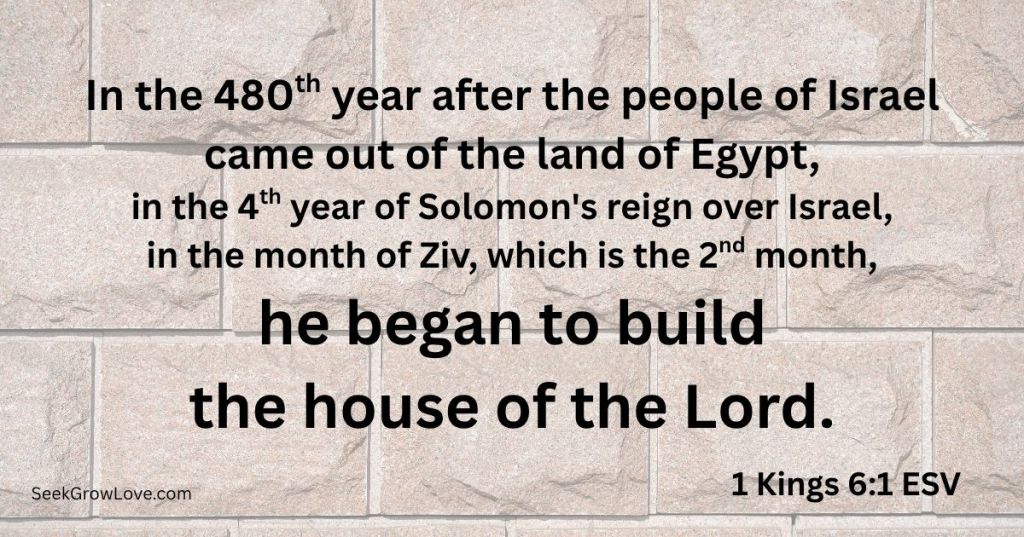
Solomon began building the temple.
For generations, Israel had worshiped in the tabernacle — a movable tent that reminded the people that God traveled with them through the wilderness. But now the kingdom was established, the enemies were subdued, and Solomon prepared to build a permanent house dedicated to the LORD.
1 Kings describes enormous effort, careful planning, costly materials, and incredible craftsmanship. Cedar from Lebanon. Gold overlays. Carved cherubim. Skilled laborers. Massive stones carefully prepared before they ever arrived at the building site.
One detail stands out powerfully:
“No hammer, chisel or any other iron tool was heard at the temple site while it was being built.”
— 1 Kings 6:7
The stones were shaped beforehand.
Quietly.
Carefully.
Intentionally.
That image says something profound about how God works.
Most of God’s shaping happens long before anyone sees the finished result.
We often want instant transformation.
Immediate answers.
Quick spiritual growth.
But God usually builds people the same way the temple was built — through quiet preparation over time.
Difficult seasons shape us.
Disappointments shape us.
Waiting shapes us.
Faithfulness in ordinary moments shapes us.
And much of that shaping happens where nobody else can see it.
But there is an even bigger lesson in these chapters.
As glorious as the temple was, Solomon himself understood that no building could fully contain God. Later, he would openly admit that “the heavens, even the highest heaven, cannot contain” Him.
The temple was never supposed to reduce God to a location. It was meant to remind people of His presence, holiness, and covenant.
Sadly, many people still confuse religious structures with genuine faith.
A beautiful church building is not the same thing as obedience.
Religious activity is not the same thing as a transformed heart.
God has always wanted more than ceremonies.
He wants faithful people.
The temple also pointed forward to something greater.
Throughout Scripture, the ultimate hope is not merely access to a building, but restored fellowship with God Himself through His appointed King and the coming Kingdom of God.
One day, according to the prophets and the teachings of Jesus, God’s presence will fully dwell with redeemed humanity in a restored earth where death itself is defeated.
That is the destination toward which the temple pointed.
Not just architecture.
Not just ritual.
But restoration.
Three Things to Remember
- God often shapes us quietly.
Much of the Lord’s work happens in hidden seasons before the final result is visible.
- Religious structures are not enough.
God desires obedient hearts, not merely outward ceremonies.
- The temple pointed toward a greater future.
The Bible’s story moves toward resurrection, restoration, and God dwelling with His people forever.
Sometimes we become discouraged because we do not yet see what God is building in our lives.
But the stones of the temple probably did not understand the blueprint either.
Still, the Builder did.
And He still does.
Reflection Questions
- Where have you seen pieces of God’s plan for you prepared beforehand? What pieces might God be molding right now for future presentation?
- What sort of boxes/buildings/separate activities do people sometimes try to keep God in? Why is this not God’s desire? What does He deserve instead?
- Take a step back and look not at your schedule today but God’s Big Picture Plan. What are you most excited about the Coming Kingdom and pieces building up to that? What still needs to be done? How can you mold your schedule today better in anticipation of what God is planning for the future?
Prayer
Dear God – You are an awesome God with an awesome plan. Thank You for including me in Your plans. Help me build only what You want me to build with the days that You have given to me. May I see You at work and do what is pleasing to You.


