The Character God Favors

Old Testament: Joshua 13-15

Psalms: Psalm 101

New Testament: Luke 1

As I carefully investigate Luke’s narrative, I take note of the encounter between Zacharias, the father of John the Baptist, and the angel of the Lord, including where the angel stands, and what he says.

I take note of Zacharias’s position and heritage, being a Levitical priest under the Division of Abijah, meaning that it is his duty to serve in the temple in Jerusalem in the 8th division, which was at the conclusion of the Feast of Passover.

I take note that Zacharias and Elizabeth are living in the hill country, perhaps the same hill country described in our reading in Joshua wherein Jabin prepared the way for Joshua’s coming as conqueror, in the same land that became Judah’s inheritance, where Mary, the mother of our Messiah Jesus, dwells (with them) for the first 3 months of her pregnancy with her baby Jesus.

I take note of the life of John the Baptist, sent by God to prepare the way for the Messiah Jesus, relating it to Moses, preparing the way in the wilderness for Joshua to take over and lead his people into the promised land.

After all that detail, likely there to teach us that Jesus is indeed the Christ, born under the law, in the way that God prophesied, with all the Old Testament parallels, I take note of where I think Luke wants our focus, after all the knowledge is obtained. 

It is the character of the two women of God that causes me to pause.

God chose to prepare the way for the Lord Messiah through two birth miracles, because two women of God chose to be faithful and humble in the presence of Yahweh God through his agent angel Gabriel.

The details are so important, but it is the character of the women of God, Elizabeth, the mother of John the Baptist, and Mary, the mother of our Lord Messiah, that we should rest our focus on after knowledge is obtained.

There is a stark contrast between the character displayed by the priest, who should have been first to bear the image of God in his response to the word of God, and the women of God in God’s presence.

Zacharias the priest is slow to be faithful, despite the significant circumstance he found himself in (despite a miracle). The angel Gabriel reminds Zacharias that he is one who stands in the presence of the Lord God, reiterating to him that his position deserves reverence and faith because of who he works for and of whose words he’s reiterating to him.

But to the woman, the angel of Yahweh, Gabriel, found the response that God desires from his people. From Elizabeth, we see faith and thankfulness. From Mary, we see faith and humility. We then see what follows women favored by God. When the two meet, Elizabeth is filled with the holy spirit after her baby, filled with the holy spirit, leaps in her womb! She prophesies regarding Mary’s response to the word of God:

Luke 1:45

“Blessed is she who believed that there would be a fulfillment of what had been spoken to her by the Lord.”

Mary’s response to this is praise to God her Savior, magnifying her Lord God through song and prophesy. Her response sounds familiar, much like some of the psalms of David, her likely ancestor.

What follows the people of character, the character of the people that God has always wanted, is exalting the Lord God, the receiving of the holy spirit (and all that comes with that), and joy!

But I take note still. There were consequences for the servant priest’s character flaw. Because of his unbelief to the angel’s words, which were God’s words, he was made unable to speak until the day when the things spoken by God’s agent angel were fulfilled.

This gave opportunity for Elizabeth to continue her faithful stance as servant to the words God spoke. It may be difficult for us to imagine how hard it would have been for her to oppose those in the temple, who chose to disrespect Elizabeth by clinging to tradition in naming the child over her words, which were God’s words. She stood firm in her faith. The people diverted their attention and respect to Zacharias, her priest husband instead.

Thankfully, the consequence from the angel led Zacharias to repentance and faithfulness. When he told the people that the child would be called John (Yahweh gives grace), the name given to him by God through his agent angel, his consequence ceased and his tongue was loosened. His response after repentance was praise to God. He too received the gift of the holy spirit and prophesied, speaking words of salvation.

But fear overtook all those in the hill country of Judea who heard of these things, perhaps due to unbelief. I imagine the fear being like the fear that overtook the people living in the hill country centuries prior, when King Jabin proclaimed the fearful news that Joshua was coming to conquer.

The details are so important, but if they don’t lead people to change, to conform to people bearing the image of God, which becomes conforming to the image of his Christ, all knowledge gained is null and void.

Let our character be the character that God has always desired, like the women, and be faithful and humble servants of the word, to believe in all the words the Lord God has spoken, which are eventually spoken through his Messiah Jesus.

-Juliet Taylor

Questions

  1. What are other important details that Luke gives us in chapter 1?
  2. In Luke 1:7, an Old Testament scripture is applied to John the Baptist. What did John do to “7…turn the hearts of the fathers back to the children, and the disobedient to the attitude of the righteous, so as to make ready a people prepared for the Lord.”?
  3. My favorite part of Mary’s response, after Elizabeth prophesies to her is, “My soul exalts the Lord” (Luke 1:46). What characteristics of the Lord did Mary find worthy of exalting? What’s your favorite part of Mary’s response?

Jesus Explains So Much

Old Testament Reading: Joshua 9 & 10

Psalms Reading: Psalm 99

New Testament – Jesus: Luke 24

Before I knew the significance of what God did through his people of old, that everything done points to his Messiah, Jesus the Christ, Joshua was my favorite Old Testament “character.”

It was Joshua who was met by the captain of the Yahweh’s army. It was Joshua who led the children of Israel into the promised land. It was Joshua who fought the battle of Jericho, blowing trumpets and shouting as the walls came tumbling down. It was Joshua the Lord helped using hailstones to defeat his enemies, and it was Joshua, a man, whom God listened to, to make time stand still.

And yet, Joshua cannot compare to our Lord Jesus and what God has done and will do through him.

We mustn’t be foolish. We must know and understand what the prophets said about Jesus to fully understand how significant he is to us. Praise be to God through him that we can gain that wisdom through the help of the holy spirit that was poured out by him because he earned that right. Now everything made new is through him.

Jesus himself taught these things about himself after his resurrection to the men on the road to Emmaus. Beginning with Moses, he explained to them the things concerning himself in all the scriptures.

I’m going to begin explaining some things I’ve learned about him and God’s plan of salvation, beginning in Joshua.

As Joshua, the son of Nun, conquers the land promised by God, he is met with a people who are not the children of Israel, but fear Yahweh and believe that he will do for Israel what he has said, by destroying all the inhabitants of the land to give it to God’s chosen people.

These people were the Gibeonites. They deceived the leaders of the children of Israel into making a covenant with them to save their lives. The terms of the covenant granted them life as slaves in exchange for not being destroyed.

It was a mistake to not seek the counsel of Yahweh prior to entering this covenant, but we see that God continues to work with his people through their failures. They continue to break the terms of their own covenant with God time and time again, but God is forgiving and merciful, just like he is with us after we entered the New Covenant with him through his son Jesus.

Watch the parallels of this story with end time prophesy. It’s quite remarkable.

The people of Gibeon, now servants to the children of Israel, called on the name of their leader Joshua (same name as Jesus) to be saved when they came under attack by the current King of Jerusalem, Adoni-Zedek (meaning Lord of justice or Lord of righteousness; yet he was not really THE lord of justice -that is reserved for the true Lord of Righteousness, our Messiah Jesus) and the other 5 Kings of the Amorites.

God saves Joshua’s servants (Gibeonites) through Joshua (Jesus). . In a similar manner, he will save the gentiles, us, who were not God’s people, but are His after we become the servants of his Son Jesus. He confuses the enemy as Joshua pursues them and He sends hailstones to give Joshua (Jesus) the victory.

To the five Kings who went up against him, he kept them in caves covered by a large stone, sealing them in until the time is right for his people to put their enemies under their foot (literally).

On the day Joshua (Jesus) defeats the Amorites, he, a man, asks God to make time stand still, and God listens. There was never a day like it before or since the time of the writing of Joshua, a day when the LORD (Yahweh) listened to a human being. Surely the LORD (Yahweh) was fighting for Israel!

One greater than Joshua, and all those God answered in the past, is now seated at the right hand of God! Because of this, we can come to the throne room of God in his son Jesus’s name and have confidence that he will hear us, humans, too.

We are privy to know and understand the gospel as recorded in our bibles in the New Testament, which is something Jesus’s own disciples, who walked with him on earth, didn’t have. 

Let us do our part in understanding the scriptures (the Old Testament) and the words of our Lord Jesus (the gospel; the Much of the New Testament) through the spirit, to hear the words he spoke, that all things which are written about him in the Law of Moses and the Prophets, and the Psalms must be fulfilled (Luke 24:44).

Let us pray to the God of Jesus that we would not be foolish and slow of heart to believe in all that the prophets have spoken, rather, let our hearts burn within us. “Thus it is written, that the Christ would suffer and rise again from the dead the third day, and that repentance for forgiveness of sins would be proclaimed in His name to all the nations, beginning from Jerusalem (Luke 24:46-47). 

Praise be to God that the servants of his son Jesus (Gentiles) can be forgiven because God listens to a man (our Jesus), and accepts us through him.

We were a people who were not God’s people, but were grafted in through God’s son, a man whom he chose to save us through, as the mediator of a better covenant, with better promises.

I cannot wait for God to listen to the man Jesus of Nazareth again, our better Joshua, our Messiah, to make time stand still for us in the Kingdom of God.

-Juliet Taylor

Questions:

  1. What parallels do you see between Joshua in chapters 9 and 10 and Jesus regarding end time prophesy?
  2. Why is it important to know all that is spoken about Jesus Messiah in scripture?
  3. How do you feel knowing that God listens to you, a human, when you come to him in his Son’s name?

Life is Hard

Old Testament Reading: Deuteronomy 23 & 24

Psalms Reading: Psalm 88

New Testament Reading: Galatians 4

Life is hard.  There are terrible things that all people, even Christians, experience simply because we live in a fallen and sinful world.  Some of the hard things people experience are because of their own poor choices, others are because of someone else’s poor choices, and still others are simply things that cannot be controlled.  Financial stress comes to those who are unwise with their money, car accidents happen when people are paying attention to their phone instead of the road, sickness such as cancer can occur in the healthiest and best people.  Life is hard.

This Psalm (88) is written by Heman the Ezrahite, and unlike most other laments in Psalms, it doesn’t end on a positive, hopeful, note.  Instead, it concludes with darkness.  This psalmist equates his life’s troubles to nearing Sheol (v.3).  He feels weak, overwhelmed, desperate, rejected, and lonely.  Heman writes that his eyes are worn out from crying out all day long (v.9). 

If you’re like me, you may be wondering why in the world this Psalm is included in Scripture… it offers no hope and seemingly no connection to an amazing God.  Why would this be allowed in the Bible??  Doesn’t it turn others off our faith to have someone just writing about how hard life is, even after worshiping God?  How does this chapter bring me anything for my faith walk if it’s just about sadness?

Well, despite being credited as one of the saddest psalms, after some prayerful consideration I also see how important this psalm can be.  Throughout the psalm Heman writes about coming to God, crying out to Him, raising his hands to the Lord, and continually praying (vv.1, 9, 13).  It seems that even with his world crashing down around him and when he feels like he is drowning, his first reaction is to reach out to God.  What an example of faithful living!  

The life of a Christian is never stated to be easy.   In fact, there are times in everyone’s life that I would expect them to be in a similar place as Heman was when writing this psalm.  Overwhelmed, exhausted, alone, in the dark.  If God ‘allowed’ this psalm to be part of his God-breathed Scriptures, then we have to believe it holds value for our lives.  There must be value in the pain and hardship that Heman describes, and the pain we still go through in the modern day.  The lesson we can take away from Heman’s writing is that in all the pain, we can always come to God.  Whether it’s through prayer or simply crying out, God is there to hear us no matter where we are in our life. 

Questions:

Heman wrote this psalm long before Christ came around.  While he had hope of a coming Savior, our hope resides in a Savior who came, and is coming again.  How does this change our laments or prayers to God?

Balancing hopeful positivity and the real difficulty of life is truly an art.  How does what we know about God impact this balance in your life?

What did God reveal to you about his character in this passage?

Prayer:

Lord, we live in a broken, sinful world.  This life is hard.  Today we pray for you to comfort those who are struggling, to give strength and hope to those who need it.  But we also pray that no matter what life circumstances they are in, they ultimately know that they can go to you in any form.  God, thank you for the hope we have in Christ Jesus.  We are excited for your Kingdom to be brought to earth where there will be no more suffering.  We longingly look to that day.  Amen.

-Sarah (Blanchard) Johnson

A Good God

Old Testament Reading: Deuteronomy 19 & 20

Psalms Reading: Psalm 86

New Testament Reading: Galatians 2

People have been messing up by accident (or on purpose) for our entire existence… in Deuteronomy, we see a few different ways that God helped set up processes for when people are people and mess up. 

In Deuteronomy 19 God has already established laws to follow, but He knows people will still mess up unintentionally, and so He takes the time to establish ways of showing justice and grace in those random, accidental sins.  Killing people will always equal sin, yet God creates a safe haven to run to for those who commit this sin unintentionally (v. 4).  Put yourself in that world and think of the magnitude of this gracious retreat to a neighboring city instead of facing death… in a culture where the governing law is “life for life” (v.21), having the opportunity to flee to a nearby city shows just how loving our God truly is.  No murder (or sin) is exempt, but God makes a way out of the death penalty that someone should be subject to… sound familiar?

In Deuteronomy 20 we get a GREAT “refrigerator” verse: “…for the LORD your God is the one who goes with you, to fight for you against your enemies, to save you. (v.4)”.  God knew the Israelites weren’t strong enough to defeat their enemies on their own, He knew He had to go with them and fight FOR them.  God uses the priests to weed out those who are not confident in His power, because He knows that a smaller, faithful army is stronger than a larger, cowardly one.  And He knows that there are plenty of cowards and uncommitted people in His people!  God knew that His people were easily influenced, which is why He tells them to utterly destroy their enemies, so that there is zero chance His people can be pulled away from Him in that way (v.17-18).   God also knew that His people would get rid of good things when they shouldn’t, which is why He clearly states to leave the trees that can feed His people (v.19).  He covered everything the Israelites needed, just because He is a Good God, who loves His people.  Again… sound familiar?

-Sarah Blanchard Johnson

Questions:

Where do you feel in your life God has covered you like He covered the Israelites?

These chapters give us several examples of God revealing His character.  How many words can you come up with using just these passages that describe God?  I came up with 6… 

Prayer:

Lord, we praise you because you are a Good God.  Thank you for the way you have always covered your people even when we mess up.  God, thank you for the gift of your son and the safe haven he is for our sins.  I pray that today we all feel your grace covering us, and that we show everyone around us that same grace – ultimately, being a light for you and for your glory.  Amen.

Choices

Old Testament: Deuteronomy Intro below

Psalms Reading: Psalm 76

New Testament Reading: 2 Corinthians 13

Today we have three readings before us that seem very different from one another. They are different in many ways; approach, style, etc. but contain a similar message throughout.

The book of Deuteronomy details many hardships and troubles that God’s people faced. It also contains promises and hope. It reminds us that we have an active role in our faith. Our Heavenly Father did not create us with a certainty that we would listen and obey, that we would automatically choose Him. He created us with free will and allows us, each and every one of us, to make these life and death decisions on our own. He gives us all of the information we need and places the choice in our hands. To have life is to be with God. This book is about having an ongoing relationship with our loving God.

Psalm 76 is a song of victory of Israel over the enemies of God. Often times we see the rejoicing of the people and focus only upon the battle God won that led them to this point. He had delivered victory – that is evident to Israelite and Gentile both. There is more to it though, more here than a casual glance will reveal. The psalmist sings of weapons of war at rest. The Lexham English Bible says, the stouthearted sleep, both rider and horse slumber. Death is implied here but, in that death, God has brought peace. The slain, the peace of death, and for those who yet live peace through knowing Him, revering Him, “From heaven you pronounced judgement, and the land feared and was quiet.” Like with our overview of Deuteronomy, we see our need for a relationship with God, that life comes from Him.

And then we get to our final section of reading for today, as we finish 2 Corinthians with chapter 13 – which brings to mind 1 Corinthians 13 – the chapter all about love. From verse four through the beginning of verse eight, it details what real love is and what it is not. The first three verses are quite plain to say that what we do or say in this life matters little if it does not come from the type of love that God, and Jesus displayed for us.

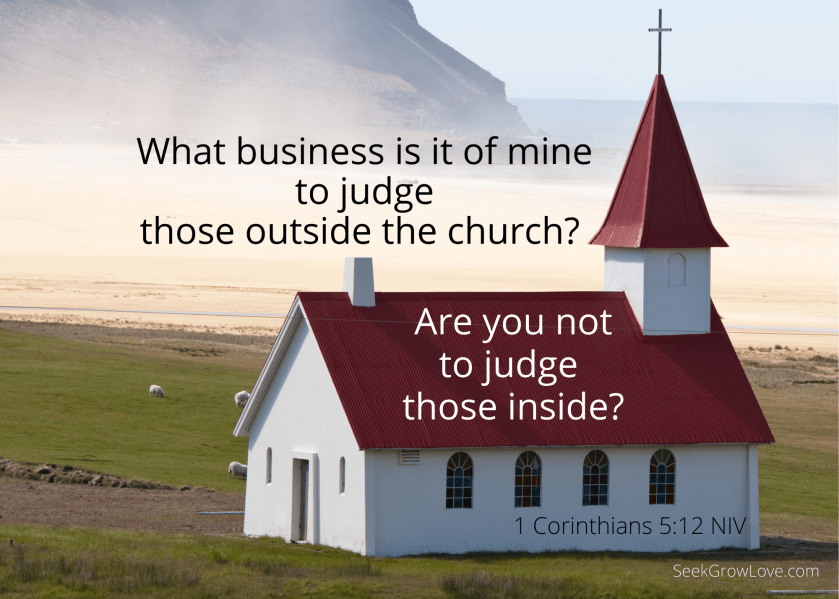
We are merely messengers of the Gospel, the Good News. We are to ensure that others know of salvation through Jesus by our words and actions. It is not for us to judge one another or force a change. We are to faithfully bring the truth of God’s word to our family, friends, and acquaintances. It is that truth that will reveal both sin and the need for salvation, but it is still up to the individual to make that choice. If that choice is not to come to God through Jesus, then we are to still love them. We are limited to our knowledge of now, this moment, and even that is severely lacking. We do not know their future choices, so we love them. They are created in God’s image, so we love them.

Each of these sections of Scripture present the hardships that come with the choice we each face, to know and love God or deny Him. It is not just our choices though, but also those of everyone around us. We have this amazing knowledge of God, Jesus, and salvation. We, who have a relationship with Him through Jesus, have a hope beyond the troubles of this life. Loving God, and knowing His love, can comfort us in our most desperate moments.

We want that for others and sometimes get frustrated, angry, or hurt that they refuse to open themselves to this relationship. That is probably similar to how God felt about you and I before we made that choice. I believe that a huge part of our commission to go into the world to spread the Gospel is to love the sinner as God loves us who still sin. Be patient. Speak and live God’s word. That is what love is!

-Jeff Ransom

Deuteronomy Introduction

I love the book of Deuteronomy.  Even though it retells many of the highlights of Exodus through Numbers, the tone of Deuteronomy is much different.  Instead of just laying out the law as God had given it, and instead of just relaying historical facts, Moses was now encouraging the people to love and follow God- for their own good.  

Moses wrote the book of Deuteronomy just before his death.  This was his last opportunity to encourage the Israelites to obey God wholeheartedly.  When he wrote it, almost everyone was dead who had been an adult when the Israelites had left Egypt.  As a result, Moses was trying to remind the new generation of all that God had done for them (and their parents), and was trying to encourage them to follow God – and not just obey Him, but to love Him.

Deuteronomy 10: 12-13 is an example of this, “And now, Israel, what does the Lord your God ask of you but to fear the Lord your God, to walk in obedience to him, to love him, to serve the Lord your God with all your heart and with all your soul, and to observe the Lord’s commands and decrees that I am giving you today for your own good?”

The book of Deuteronomy ends with Moses climbing a mountain, and looking out over the Promised Land – which he wasn’t allowed to enter because of one act of disobedience against God.  And then Moses died.  Can you imagine how disappointed Moses must have been, seeing the promised land, but not being able to enter?  He had longed for this his whole life, and was finally denied entry.

This should be a warning to us. It reminds me of Luke 13:28, which says, “There will be weeping there, and gnashing of teeth, when you see Abraham, Isaac and Jacob and all the prophets in the kingdom of God, but you yourselves thrown out.”

I’ll close with Deuteronomy 30: 15-20, “See, I set before you today life and prosperity, death and destruction. For I command you today to love the Lord your God, to walk in obedience to him, and to keep his commands, decrees and laws; then you will live and increase, and the Lord your God will bless you in the land you are entering to possess.  But if your heart turns away and you are not obedient, and if you are drawn away to bow down to other gods and worship them, I declare to you this day that you will certainly be destroyed. You will not live long in the land you are crossing the Jordan to enter and possess. This day I call the heavens and the earth as witnesses against you that I have set before you life and death, blessings and curses. Now choose life, so that you and your children may live and that you may love the Lord your God, listen to his voice, and hold fast to him. For the Lord is your life, and he will give you many years in the land he swore to give to your fathers, Abraham, Isaac and Jacob.”

-Steve Mattison

Reflection Questions

  1. What do we learn from Moses and Paul about how to speak and live God’s word? How can you speak and live God’s word better than you have previously?
  2. We all have choices to make. What choices have you made that have brought you closer to a relationship with God and the salvation he extends through His son? What choices have you made that have taken you further from God? What will you choose today?
  3. What do you learn about God and His character in today’s Bible reading? Who needs to hear that and how will you share?

God’s Restoration

Old Testament: Numbers 31-33

Psalms Reading: Psalms 74

New Testament: 2 Corinthians 11

My Bible notes explain that Psalm 74 is from the time of the exile, after the nation of Israel had been destroyed and the temple left in ruins and the promised land completely ravished. The first half of the Psalm is a recounting of how the sanctuary of the Almighty was decimated by the enemy. The second half of the Psalm is a cry out to God to do something about it. Verse 12 is the pivot point between the two halves. 

As I read Psalm 74, my inner first-born older-sister voice says something like, “Well, what do you expect? Your insolent behavior was basically an invitation to the enemy to come and wreak havoc. You opened the door to the temple wide open with your disobedience. And now you realize your mistake and want God to fix it???”

As if I never did anything foolish. Not once have I been disobedient. And I never have had to deal with the consequences of my poor choices. Nor have I ever asked God to come to my rescue and defend me when I got in over my head. Nope, not at all. Not me.

Maybe this Psalm hits a little too close to home. Because there have been so many times when my disobedience has left me on my knees. I said something that shouldn’t have been said; I ignored God’s voice telling me to walk the other way; I refused to forgive; I thought too highly of myself. And when I realized what I got myself into, the only thing I could think of doing was crying out to God for help.

While God fully desires us to be obedient, he knows our human nature and capability to mess things up from time to time. He wants us to call out to Him. He longs for us to recognize our need for Him. So even when we open the door of our hearts to something less than God’s best and our lives are turned inside out and upside down, He will come and restore us to who we are meant to be.

Thank you God, for being full of mercy and grace and hearing me when I call out. Thank you God, for not turning your back on me when my mess is a result of my foolishness. Thank you God, for loving me unconditionally, that even though I may have to suffer the consequences of my actions, you redeem me.

-Bethany Ligon

Reflection Questions

  1. When has your disobedience caused the need for restoration?
  2. Is there an area of your life that you have already experienced God’s restoration? What did it look like when it was in ruins? What does restoration look/feel like?
  3. What has God revealed about Himself in today’s Bible reading?

My Mouth is Filled with Your Praise

Old Testament Reading: Numbers 24 & 25

*Psalms Reading: Psalm 71

New Testament Reading: 2 Corinthians 8

As I began reading Psalm 71 I immediately took to heart the first sentence, “In you, LORD, I have taken refuge.” How many times do we have troubles and look to things other then God? We look to our friends, our families, sometimes video games, sugar, so many things when our first response should be to look to God. Our writer goes on to ask God to be his rock of refuge, to which I can always go. We can go to Him anytime day or night. Sometimes I wake up in the middle of the night because something is bothering me. While I know my husband would not get upset if I woke him, it is not something I want to do. But guess what, God is there! He is always with us.

The Psalm goes on to ask about not casting him away when he is old, not forsaking him when his strength is gone. He asks God for help. He says he will always have hope and he will praise God more and more. He will tell of his saving acts all day long. He will praise Him with the harp, the lyre, his lips and his tongue. The writer of this Psalm really knew that God is AMAZING!

All of this made me think of a few things. First, as I said earlier, God is aways with us. I have a great support system and God has put wonderful people in my life to help me navigate the craziness of this world but do I put God aside and try everything else first and then go to Him? I know I do sometimes, then I realize I should have gone to Him first. Many times when I go to him first, he puts the right help in front of me to navigate my problem and sometimes he tells me I just need to wait on it.

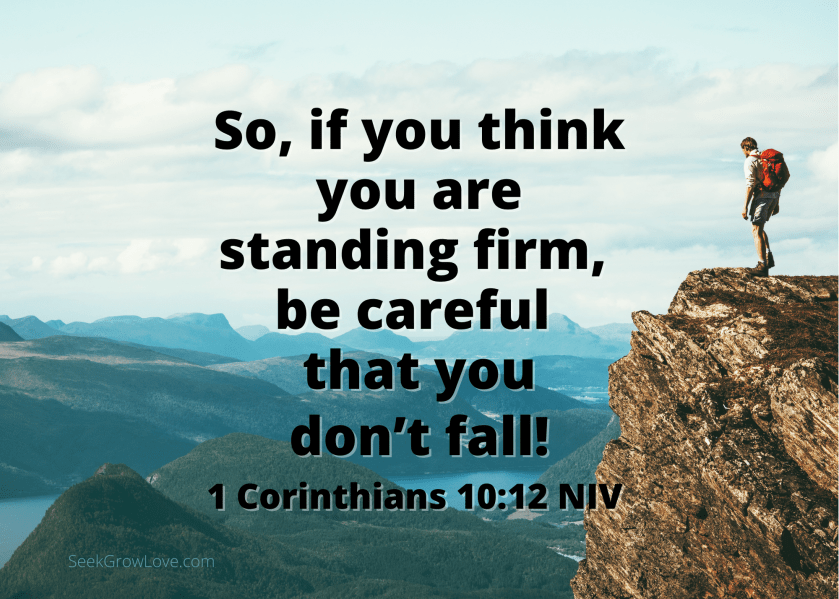
Second, when he is talking about his enemies, I think of the enemies that are trying to take us away from God. They will stop at nothing to tear us from the love of God. Verse 4 says “Deliver me, my God from the hand of the wicked, from the grasp of those who are evil and cruel.”  We need to stand firm in our faith, seek God, spend time in His word, and be careful that we don’t get pulled away. It is so easy to walk away, to spend time away from God. We need to be purposeful in our walk with Him so we are not tempted to walk away.

Lastly, he is praising God. We need to praise God for all he has given us. My husband says he is part of the joyful noise club. I am too, I don’t have a beautiful voice but the Bible doesn’t say we have to have a beautiful voice, it says to make a joyful noise. It also doesn’t say we need to be Bible scholars to speak his word or tell others of the great things He does. Verse 17 says, “I declare your marvelous deeds.”  Go out and declare His marvelous deeds in your life.

-Jeani Ransom

Questions for reflection:

  1. How do you take refuge in God? Do you seek others first or God first?
  2. How can you show your praise to Him today?
  3. What marvelous deeds has He done for you? Who can you share them with?

Generations

* Old Testament Reading: Numbers 20 & 21

Psalms Reading: Psalm 69

New Testament Reading: 2 Corinthians 6

In Numbers 20-21 we encounter the Israelites at the end of their journey as they wrap up their years in the wilderness and prepare to enter the promised land of Canaan. Unfortunately, before they do that, we see a purging of a generation of people who had rebelled, distrusted, and quarreled with themselves and with the LORD. In Chapter 14 God had instructed them that only Joshua and Caleb would enter the promised land, and now we see God was serious. In Numbers 20:1 Miriam dies, in verse 12 Moses is told he will not be entering the promised land, and by the end of the chapter Aaron is dead. No special privileges here for being a priest, a leader, or related to a special someone who “was a really good person most of the time”.

In recent years I’ve heard more and more talk about generations.  Terms like X, Y, Z’s, Millennials, Zillennials, Baby Boomers. All have their strengths and weaknesses, and since I fall right in-between two, depending where I am or what is being said, I might want to associate with one more than another. That is because there are stereotypes of generations, but none are always accurate nor are they particularly important or beneficial. No matter what, as a body of Christ, we are an intergenerational people, and research continues to show the benefits of multigenerational worship and education. The year of your birth simply does not have anything to do with who we are in Christ. What does matter is our faith in Jesus and being a follower of him. In today’s reading, we see a generation dying out who knew God, yet had managed to waste the better part of 40 years not doing much to please Him, but doing a great job finding things to fight and complain about. We are currently living in a world where fights and complaints are the norm, and also one where our life expectancy is dropping. Many people born in recent generations have a lower life expectancy than their parents did. We are on this earth for a finite time, and unless we live until Jesus returns, we will “rest with our fathers” the same way people have been doing since the days of Numbers.

But, the story of Numbers doesn’t just end with death and burials, and ours doesn’t have to either. Joshua and Caleb (and crew) did get to the Promised Land. And we see more symbolism again in this idea since Yeshua can be translated as Joshua in Hebrew (our OT character leading them to the promised land) and when translated into Greek/from Greek can be translated as Jesus (our NT character through whom we have hope of our promised land in the kingdom). There is lots more out there to learn about as far as name studies if that interests you which I’ve learned a bit more about through a friend who has “Yeshua is my king” stickered across his back window. I couldn’t help ask about that one the first time I met him!

Another thing I found interesting as I read Numbers 20-21 is that a lot of the pagan enemies they are fighting on their way to the promised land are their “relatives”. The Edomites come from Esau (who was later named Edom), the Moabites and Ammonites come through incestuous relationships through Lot, and for that matter, all of them go back to Noah’s three sons! But, it didn’t matter if you were a descendant of Abraham or a relative of someone who once believed in the one true God. The people who entered the promised land were those who trusted and relied on Him, humbling themselves to allow Him to lead. Everyone else who didn’t worship the one true God as he instructed them to, set apart and holy according to his expectations. . . they were enemies. It didn’t matter if they had heard YHWH, the God of Israel, was powerful and real and they were a little scared of him. It mattered if they honored and obeyed him, and they certainly did not. While family trees can be interesting, that is about all they are good for when it comes to things of eternal perspective. The fact that your great grandpa was an elder who walked 10 miles uphill to go to church every Sunday doesn’t matter, and whether or not your relatives called themselves Christians or you attended church as a kid does not matter for your future. What matters is that in your present, regardless of which generation you are from or how much longer you may have left on this earth, you humble yourself before God and let Him lead.  The wilderness surrounds us, but the promised land to come is real.

Yesterday I ended with a verse I really liked about Jesus being the sacrifice for sins for all of us, for the whole world for all time. No more sacrifices required, and we are cleansed and forgiven. That is beautiful and true. But, the verse immediately following is too. It tells us how God expects us to respond to that gift and is a good way to wrap up our studies in Numbers this week I think.

“And by this we know that we have come to know him, if we keep his commandments.” (I John 2:3, ESV)

-Jennifer Hall

Reflection Questions

  1. What did this Israelite generation have going for them? What were strikes against them? What most important thing did they keep forgetting?
  2. Right now, this week, have you been more like Joshua and Caleb – intent on trusting a great big God who saves and will lead you into the Promised Land – or the generation that will not survive the wilderness – losing sight of God’s greatness as you focus instead on complaining, arguing, living in fear and negativity and quarreling with the Lord? Are there any changes that need to be made starting today?
  3. What does God reveal about Himself in the passages we have read from His Holy Word today?

I Am the LORD your God

Old Testament Reading: Numbers 14 & 15

Psalms Reading: Psalm 66

New Testament Reading: 2 Corinthians 3

Today’s reading in Numbers takes us back to the scene of the Israelite crimes of complaining, grumbling, and not trusting God. If you have been reading in Numbers at all this week, you will know we’ve seen plenty of these in action already, and Numbers 14-15 is full of plenty more. It is interesting to consider that it’s not like the Israelites’ negativities had been ignored or that they were serving them well up until now. It had been the complete opposite, and there had been plenty of consequences already. Smitten with a plague with quail still in their teeth, a fire sent down from the LORD, Miriam struck with a leprous disease, delayed travels in the desert, etc. Yet, the Israelites were at it again.

In verse 3 we see a phrase that I am guessing hits close to home.  “Why did the LORD…?”.

In this case, the Israelites weren’t asking, “If the LORD is real, why did he….” They knew he was real and didn’t doubt that. But, as believers in the LORD, like us, they struggled to trust Him when things were tough and when they couldn’t see what our sovereign God knows. They focused on their doubts, worries, discomforts, and did not humble themselves and rely on God who had told them what His plans were for them. Along the way, things were hard. It is a broken, imperfect world full of problems just like the desert wilderness. Sometimes they are beyond our control. Sometimes they are because of our attempts to control. Enemies are real. Plagues and diseases are still a thing. Sin is rampant. But, while problems can seem to prevent us from seeing anything else sometimes, even then, we have an all-powerful, all-knowing, perfectly loving Father taking care of us through it all.

 And so did the Israelites. Reading further in chapter 14 we see Moses, Aaron, Caleb, and Joshua seeking to follow God even through the difficulties, and encouraging others. We see the LORD forgiving when asked in verse 20, and eventually, some Israelites did get to the promised land! Canaan still had some problems as far as promised lands go, but the promised land awaiting us in the coming kingdom of God is one without tears, sickness, and sorrow. Nothing to grumble and complain about at all.

Let us trust God to know best since compared to Him . . .we know a lot less! I like the last verse in Numbers 15  to help facilitate trust, love, and honor toward God. Even in the hard stuff.

 “I am the Lord your God, who brought you out of Egypt to be your God. I am the Lord your God.”

(Numbers 15:41, NIV)

-Jennifer Hall


Reflection Questions

  1. Seriously consider your own negativity. In what situations, and toward whom, do you find your negativity festering or exploding? How is this affecting your relationship with others and with God? Spend some time talking to God about this problem and what you can do to improve.
  2. How has the Lord shown Himself – and His desire and supreme qualifications to be your God – in your life thus far? What has He brought you out of? (Numbers 15:41)? What has He brought you into? Trusting in Him, what is yet to come?
  3. What do you know about the Lord your God because of your reading in His Scriptures today?

Set Apart But Connected

Old Testament Reading: Numbers 7-9
Psalms Reading: Psalm 63
New Testament Reading: 1 Corinthians 16

Today’s Old Testament reading takes us to Numbers 7-9 where we see the LORD speaking to Moses laying out some specific plans he has for how they are to live, worship, and remember Him.  Around 70% of the Bible contains the Old Testament, and it seems that the more I study the Bible, I continue to be struck how much the Old Testament foundation is integral to appreciating things that come later in the New Testament.  I definitely find that to be the case in today’s chapters.

Starting in Numbers 7:1, we find Moses at work,

“When Moses finished setting up the tabernacle, he anointed and consecrated it and all its furnishings. He also anointed and consecrated the altar and all its utensils.”

So, we have a good “churchy” word here in bold, and while I undoubtedly could have spelled it in third grade (spelling bees were my thing back in the day!), I realized I wanted to research a little more because if you asked me to define it today, I’d  start with “kinda like. . .umm. . .”, and this word comes up a lot in this passage!

Consulting my exhaustive concordance and Bible dictionaries, I see that simply put,

consecrated = set apart

In Numbers 7 we see a tabernacle set apart, offerings to the LORD set apart, and in Numbers 8, Levite priests set apart. In Numbers 9 the trend continues with instruction to keep days set apart for Passover. Interestingly, these days are specifically remembering the time when the LORD set his people apart from the Egyptians.

The Old Testament stands apart from the New Testament separated by ~400 years of history. Yet, they are extremely connected. The Israelites were instructed to be set apart from the world that surrounded them, yet connected to the LORD. The being set apart idea doesn’t stop in Numbers or the Old Testament, but continues as instruction for all of us as followers of Christ today. In fact, the idea of a consecreated, set apart people continues until the very end of Revelation.

Our reading today ends in Numbers 9 with a beautiful picture of the LORD’s consecrated people being set apart and relying on His leading. How many people can say they followed a cloud that appeared like a fire by night, and if the cloud descended they stayed/camped, and if it ascended, they went out? This certainly wasn’t a practice of the world around them, and I don’t know anyone today who camps that way.  Instead, Numbers 9:15-23 shows a unique, called-out, set-apart experience of obedience to our sovereign LORD. One that required patience and was beyond their understanding (check out the casual mention of waiting for the cloud to move for a year in verse 22!). 

Wouldn’t our lives be so much better if we trusted God more, followed His leading, and invested our energies in being wholly His.  We would look set apart and we should look set apart, and we need the practice because one day it will be essential to be set apart when the Tabernacle described in Revelation comes on the scene!

“At the command of the LORD the sons of Israel would set out, and at the command of the LORD they would camp, as long as the cloud settled over the tabernacle, they remained camped.”  (Numbers 9:18)

-Jennifer Hall

Reflection Questions

  1. Are you set apart from the world? If so, how? Do you think God would like to see you more set apart than you are now? What might that look like? What would it require?
  2. Are you connected to the LORD? If so, how? Do you think God would like to see you more connected to Him than you are now? What might that look like? What would it require?
  3. How do you see God in your reading of the Scriptures today? What would you have missed if you hadn’t read His words today?