Just and Tender Father

Isaiah 40-43

Many, many years ago, as a novice classroom junior high teacher, I was learning what it meant to “be firm, be fair, be consistent”; which now as a veteran educator is my favorite word of advice to pass along to the next generation of teachers. 

One of my nicest, most reliable, hard-working students entered the classroom tardy one day. Any other week of the school year, I would have not given it a second thought and have her sit down and get to work – something she would have done naturally. However, the previous day, I had just had a stern conversation with the class about the importance of showing up on time and the consequences if anyone chose to be late to my class in the future. I had already taken attendance and wondered out loud if anyone knew where this particular student was. No one knew. A few minutes later, she walks in – without a pass. She paused as she entered the room. The rest of the class looked at her and then looked at me – was I really going to hold this ‘good kid’ accountable for what I just had said the day before? As much as I hated to do it, I reminded her that she would be eating lunch with me that day and the rest of the class knew if I meant business with this kid, I was absolutely serious about my message for the rest of them. 

Later on as I was holding this student during lunch, we talked about where she had been, why she didn’t have a pass, and how the entire incident was so out-of-character for her. Her explanations made sense and she understood why I had to do what I did. She was never late again.

In leadership, this style of management is often referred to as a “velvet hammer”. In other words, “be firm, be fair, and be consistent” with everyone, every time. 

As I read the opening verse of Isaiah 40 and the next couple of chapters of today’s Bible reading, I am reminded of the velvet hammer and my educator mantra. 

Through the prophet Isaiah, God had just completed pronouncing judgement on the Israelistes in the previous chapters, aka the “hammer”. Now, in what is sometimes referred to as the “Second Isaiah”, God is now offering comfort and encouragement to His people, aka “the velvet”. 

“Comfort, comfort”. With the repetition, you can almost hear the tenderness of a parent reassuring a child, “There, there, now. It’ll all be alright.” Discipline is never pleasant when the relationship is loving. The authority figure in the relationship knows that the pain and discomfort associated with accountability is necessary in order to provide guidance and direction for the child, follower, or subordinate. For the child, it’s a difficult reminder of the offense and the actions required to make things right again. However, with the reassurance that things can indeed be made right, the discipline is easier to accept. 

“My people”. Even though the Israelites have continued to make disappointing choices, God still claims them as His. Any other sovereign probably would have given up on such an obstinate group, but not the Almighty. His covenant with the Israelites is reaffirmed with these two words. God is not going anywhere, He is not giving up. 

“Says Your God”. And just as resolute as God is in holding up His side of the covenant relationship, He wants to remind the people that He longs for them to do the same. He still desires to be known as the God of Israel. There is nothing that can be said or done to make Him want anything less. Additionally, God is reminding them that amid all the other false idol gods that have been manufactured, He alone is their God. He is the one who is worthy of all glory, honor and praise. He alone is “the LORD, the everlasting God, the Creator of the ends of the earth” (v.40:28).

My hope and prayer for you reading this today is that if you’ve ever experienced God’s discipline, you’ve also experienced His tenderness and mercy. God loves you more than you can possibly imagine and His discipline is evidence of this love. Cling tightly to our Father because He is always faithful, always present, always full of grace and mercy, always all-powerful, always right there where we need Him to be. May you be comforted by this covenant of love today. 

Reflection Questions

  1. When have you experienced God’s ‘velvet hammer’ – a moment of discipline wrapped in love and mercy?
  1. How does God calling the Israelites “my people” after their failures, influence your own identity and relationship with God, especially after you have missed the mark?
  1. How does knowing that God is both just and tender shape your trust in Him?

-Bethany Ligon
Endurance

OLD TESTAMENT: Isaiah 32-33

POETRY: Song of Songs 6

*NEW TESTAMENT: Hebrews 12

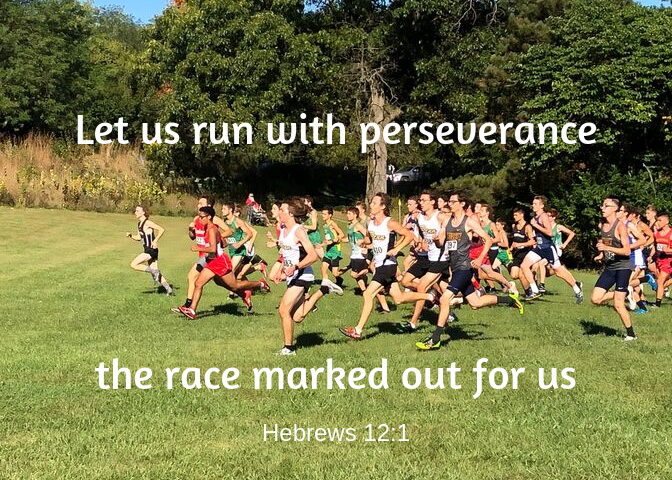
If you’re feeling sluggish, tired of enduring the hardships that come with choosing to be faithful to the end of your race in this age, caught in sin that’s hard to get disentangled from, then think on all of those faithful chosen of God from chapter 11. They made it! They’re going to the Kingdom!

We have to have the endurance to make it to the end to, for our own good. If that great cloud of witness doesn’t move you, consider Jesus’s faith, by which he endured the cross for you. God’s will for him involved the shedding of his blood to resist the sin of others against him and to free us from it. Has God asked you to shed blood to resist sin? That’s probably not God’s will for you, thank God, though many of his children have. I pray it never comes to that.

What’s it going to take to finish your faith race? This writer says endurance, and it comes through discipline (he may even be referencing the letter he’s penning as part of that discipline). He is reproving the Hebrews, but discipline involves more than reproof. It involves scourging (I think the definition of scourging here is “suffering”), and it takes training.

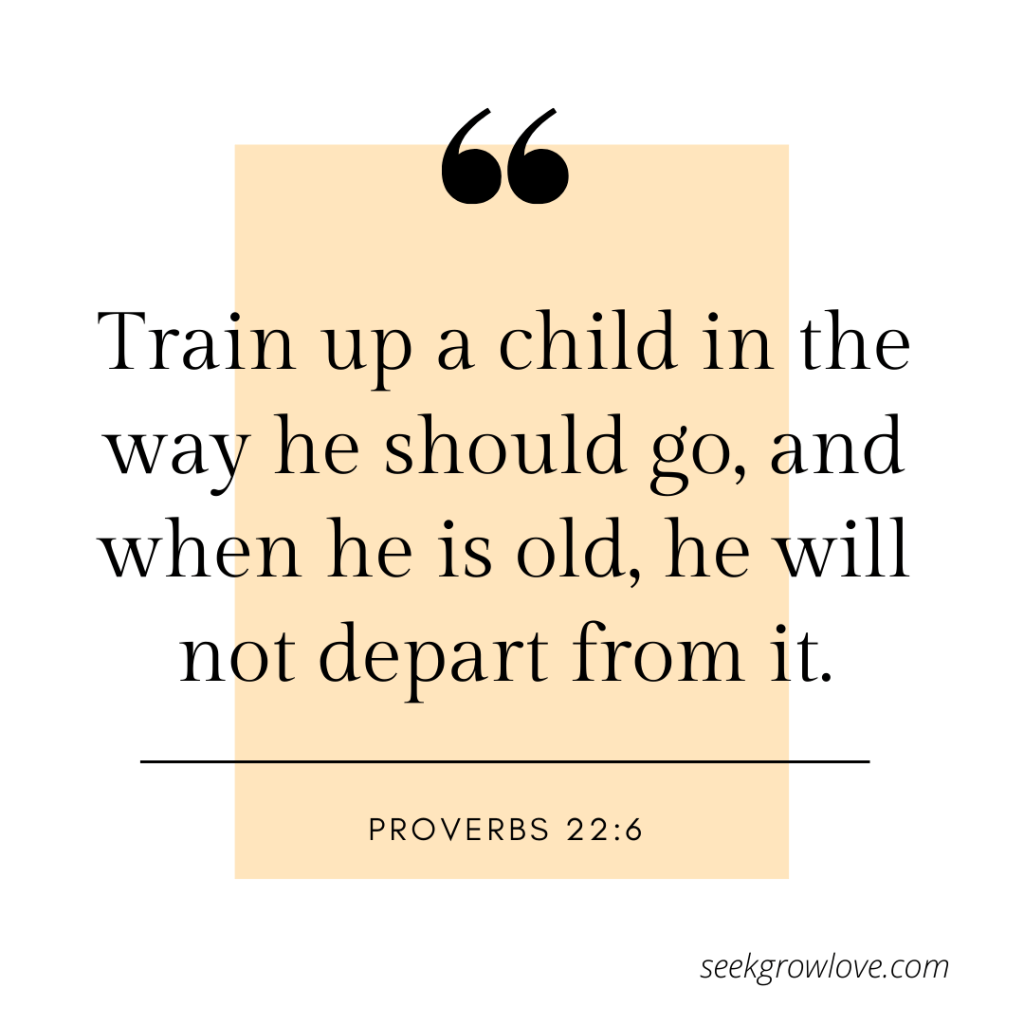
The Hebrews seem to have forgotten that they are heirs to the Most High; they are sons of God. If you’re a son, then you will be disciplined (if not, you’re illegitimate). God’s discipline is like that of a father to his child. It is like the training up of the child in the way he should go so that when he is old, he will not depart from it. The child who was disciplined experienced how to endure as an adult.

The discipline was for the child’s good, though it was sorrowful in the moment. As adults, the discipline will be sorrowful in the moment, but remember, the discipline of the Lord happens because he loves his children, so welcome it. If you’re not disciplined, you’re going to hurt yourself or others with sin. You might forfeit your entrance into the kingdom.

Discipline removes sin. It shapes us into holy people – sharing in the holiness with God (because we are transformed into people who want good for others and therefore do the will of God). It yields the peaceful fruit of righteousness (it turns you into a person who is faithful to do God’s will).

With the Lord’s leading, we can take steps to discipline ourselves to resist sin with endurance, for a whole lifetime. Here are some examples from this chapter:

Serve those in need – strengthen the hands that are weak and the knees that are feeble.

Pursue peace with all men.

Don’t let any root of bitterness spring up causing you trouble.

Don’t refuse the one who is disciplining you.

Don’t trade your birth right for food (like Esau did); God didn’t forgive that sin.

Remember, you didn’t endure what God’s firstborn son (the children of Israel) did. They were not allowed to be where God was like you are through Jesus. Through their mediator Moses, they had to stay away from the mountain where God was. And they were terrified because if they touched the mountain, they’d die. They were terrified of hearing God’s voice, sounding like thunder and lightning.

Instead, you’ve come to the church of the firstborn (Jesus). You have approached the throne room of God, with his angels, with your brothers and sisters who have all been made perfect by Jesus’s sacrifice, and you can do it without being terrified. You’re not going to die if you approach the throne room of God through Jesus.

Oh, and by the way, Jesus’s sprinkled blood as our living sacrifice speaks better than Abel’s blood that cried out for vengeance. Jesus’s blood cries out for love/sacrifice for others. Our job is to follow the cries of the one who’s better, who’s blood lets us into the throne room of God now to be in his presence. God will oblige both, but he says vengeance belongs to him.

God once shook the earth when he spoke from earth. In the end, he’ll speak from heaven, and shake both heaven and earth, so that the things that can be shaken will be removed, leaving only those things that are unshakable. What’s unshakeable is the Kingdom of God. Let’s praise God that we can be a part of that Kingdom now, showing him reverence and awe for what he’s doing. It’s a new thing, and it’s better. 

-Juliet Taylor

Reflection Questions

1. Can you think of something you endured faithfully through discipline?

2. Do you have a routine of discipline that helps you stay on track?

3. Abel’s blood cries out for vengeance. Jesus’s blood cries out for love/sacrifice to save others. God will oblige both cries, but vengeance belongs to God, not to those under the New Covenant. Our responsibility is to love, as Jesus loved because it can change hearts and allows us in God’s presence now (in spirit as we draw near). Our job is to love even those who have hurt us. How can you love someone who has hurt you?

Old Testament: Lamentations Intro – see below

Poetry: Proverbs 29

New Testament: Revelation 2

Disclaimer: I know Proverbs 27:2 says not to brag about yourself, but I’m about to brag about my kids so it’s ok!


Today my husband, daughter and I met our son at a car dealership where my son wanted to purchase a car. He wanted our opinion on the car and it was a great excuse to meet him halfway between our home and his college. He had done quite a bit of research on the car and made all the financial arrangements himself. Between watching his interactions with the sales people and his new haircut, it just hit me how much he looks and acts like…an adult! Our daughter also seems to make a habit of making good choices. She always helps me around the house, is a leader on her cheer squad, and is very kind.. Both of my kids are the light of my life and I am so proud of them.


I would love to say that they are doing well because Dan and I are such awesome parents, but they have always been just easy to parent with teachable hearts. Even the times that I reprimanded them for a mistake or something I didn’t agree with, they made corrections and that was, usually, the end of that issue. Now, just because we haven’t had to be strict does not mean we forewent discipline. We spent a lot of time educating our kids on proper behavior,
respect, and morality based on the Word of God.


I like how the Message translates Proverbs 29:15. “Wise discipline imparts wisdom: spoiled adolescents embarrass their parents.” Now I don’t worry too much that my kids’ behavior will embarrass me, I worry that misbehavior will bring pain to them… which brings pain to me.


The entire book of Lamentations is a statement about this effect. The sins of Israel affected Jeremiah mentally and physically. He suffered right along with them even though he listened to God. God, of course, listens to him, and eases his suffering. However, I do think this points out the pain a parent/teacher/mentor feels when they have tried to disciple someone in the Lord and that person decides to reject it. When that person faces a consequence of a bad choice, it hurts the one who tried to help them.


Revelation 2 is a chapter full of both praise and discipline for the 4 churches mentioned. Jesus, through John, praises the churches for their good works but also disciplines the churches against some of their current practices to save them from destruction. The church at Thyatira was warned about a woman teaching “cross-denying, self indulging religion”(The Message). In my previous devotion, I mentioned a modern day “preacher” who is doing this and I am sure she is not alone, preaching a gospel of “your truth.” Later, I was reading through the comments of this Not the Bee article about this preacher. One gentleman wrote the best response to those who teach the power of self over the power of Christ:


“This is why you never flip the order of the First and Second Commands of Christ. Love the Lord your God first. Then love your neighbor as yourself. This heretic probably didn’t set out to blasphemy like this. She just saw Christianity as a means to care for people. But that’s not the primary end of Christianity. It’s to love, glorify and obey God. Loving people rest within that directive, but never above it. Cut enough corners to “love” people and soon you’re affirming sinful behavior. Before you know it, you’re a blasphemous heretic, parading your own made-up religion, never having understood Christ in the first place. The irony is that none of this was ever loving at all. These false doctrines literally hurt and kill people. So far from what Christ ever wanted.” Andy Sheehan – Random guy on the internet


All of our readings today relay the importance of discipline amongst our children, ourselves, our nation, and our churches. Pray we will identify the opportunities to educate and discipline in the name of the Lord.

-Maria Knowlton

Reflection Questions

  1. In keeping loving God first, what ought our response be to someone who is living outside of God’s laws? When have you seen this order (love God first, and secondly, love your neighbor as yourself) disrupted? What is the result?
  2. What should the first goal of Christian parenting be?

Lamentations Introduction

The book of Lamentations was almost certainly written by the prophet Jeremiah shortly after the fall of Jerusalem to Babylon in 586 BC.  The title, “lamentations”, means “loud cries”.  The historical record of the fall of Jerusalem is detailed in Jeremiah 39, 2 Kings 24-25, and 2 Chronicles 36.  The book of Lamentations contains the author’s grief over the fall of Jerusalem because of her sins.  

The book of Lamentations reminds us that sin always brings sorrow, grief, and pain; no matter how alluring and exciting the sin looks initially – it is never worth it.

Despite the overwhelming grief expressed, there is also hope, as we see in 3:19-24, “I remember my affliction and my wandering, the bitterness, and the gall. I well remember them, and my soul is downcast within me. Yet this I call to mind and therefore I have hope: Because of the Lord’s great love we are not consumed, for his compassions never fail. They are new every morning; great is your faithfulness. I say to myself, ‘The Lord is my portion; therefore I will wait for him.’ ”

An interesting point of historical trivia, according to this website, according to Jewish tradition, the original temple was destroyed on the 9th of Av 586 BC.  The second temple (Herod’s temple) was also destroyed on the 9th of Av 70 AD.

-Steve Mattison

It’s Your Choice

Old Testament: Jeremiah 39-40
Poetry: Proverbs 23
New Testament: 2 John


Once upon a time, a certain daughter and niece of mine chose to go play in the street. When my son, husband, and I saw them heading towards the road we tore across the yard and pulled them off the road as quickly as we could. I rarely ever spanked my kiddos, but in that moment, I did swat both of their bottoms. I wanted them to experience a little pain so that they would not do it again and possibly experience great pain and/or death.


In today’s reading, the writer of Proverbs 23:13 points out that if we discipline our children we may possibly save them from death. In today’s Old Testament passage, Jeremiah as the de facto parent, tries to discipline and instruct King Zedekiah and the people of Judah, to save them from death. Unfortunately, in the fairly “rated R for violence” chapter 39, the king disregards wisdom and instruction (as spelled out in Proverbs 23). It is utterly sad and gruesome to read the fate of this family and the end of lineage of Josiah. If only King Zedekiah
had known the consequences of his choices. Oh wait a minute! He did! Jeremiah told him exactly what would happen if he did not listen to the Lord!


Similarly, in 2 John, John tells the anonymous church the consequences if they listen to those teaching false ideas and doctrines. It is a short letter, and we don’t get all the details as the conversation was later carried on in person. But it is long enough to know this was a problem in this church.


Many of the consequences of the choices we make are not clear.
Become a teacher or an accountant = ???? Unknown consequences
Date Mark or Luke = ????? Unknown consequences
Take the job at the grocery store or McDonalds = ???? Unknown consequences
But in all these instances above, the choices and consequences are clear,
Run into the street = get hit by a car (or at least get a spanking)
Disregard a prophet = get your eyes gouged out and be killed
Listen to false teachers = be pulled away from God


You are going to have many choices in life where the consequences are not clear. But you will also have choices that are clear. Choose obedience. Choose faith. Choose life.


And stay out of the street!


Deuteronomy 30:19-20: This day I call the heavens and earth as witnesses against you that I have set before you life and death, blessings and curses. Now choose life, so that you and your children may live and that you may love the Lord your God, listen to his voice, and hold fast to Him.

-Maria Knowlton

Reflection Questions

  1. When have you made a bad choice even though you knew ahead of time what the consequences would be?
  2. How can discipline save from death? As a parent, child, teacher, youth leader how can this be applied to your situation?
  3. In what ways have you made choices leading to life and blessings, away from death and curses? How well are you listening to His voice and holding fast to Him?

Good Intentions… yet Not What God Intended

June 23     1 Chronicles 13-14 and Proverbs 23

Now” that David’s living in Jerusalem. He wanted to return the ark of the covenant there. He said to all the assembly of Israel, “If it seems good to you, and if it is of the LORD our God, … let us bring back the ark of our God back to us.” (13:2,3) David had good intentions of bringing the ark back, but he did not actually inquire of God or do it according to His instructions. He gathered all Israel together to bring the ark of God up from Kirjath Jearim. He had it put on a new cart. “All Israel played music before God with all their might with singing, on harps, stringed instruments, tambourines, cymbals, and trumpets.” (13:8) He had such good intentions, but once Uzza held the ark when the oxen stumbled and he died, David became angry and was afraid. He took it aside to the house of Obed-Edom and left it. 

We lived in the village right behind Kirjath Jearim. In fact, for 20 years we could look out our living room/kitchen windows and see it! Also, one can see in the picture modern houses built around the ancient site.  There is a Catholic church over the ruins, which is the case for other sites in Israel. And one can see the main road, which is still the modern-day ridge route they would have traveled on to avoid the deep cutting valleys. 

Aerial view of a city

Description automatically generated with medium confidence

Even though David had good intentions, afterwards he sought God for instruction, which encourages us to do the same. Not long after the Philistines attacked near Jerusalem, it says, “David inquired of God” if he should go against them. (14:10) Again, he inquired of God if to attack them, and God told him to send an ambush around them and succeeded. (14:16) “So David did as God commanded him, and they drove back the army of the Philistines from Gibeon as far as Gezer (could include pictures of them too😉). Then the fame of David went out into all lands, and the LORD brought the fear of him upon all the nations.” (14:16,17) This account of David is so encouraging though he had good intentions and yet failed to seek God, he corrected himself immediately and sought God’s counsel if he should attack the Philistines.  We can learn from David and do likewise! “Be zealous for the fear of the LORD all the day.” (Proverbs 23:17) In wrap up, it is interesting to note once again another Proverbs that talks about a child, which has a Hebrew word meaning more “youth.” “Do not withhold corrections from a child (YOUTH), for if you beat him with a rod, he will not die.” (Proverbs 23:13) Children and youth both need lots of training and correction, but the end results are so rewarding. Reach out to children nearby you or related to you and encourage and lovingly correct them. Many may be going back to camp this summer, which is a special time for them. Many times, they have good intentions and yet need directed in God’s ways. 😊

~ Cayce Fletcher

Read or listen to today’s Bible reading at Biblegateway.com: Job 1-2 and 2 Corinthians 2 .

The Humble Shall be Exalted

June 22     1 Chronicles 11-12 and Proverbs 22

After the death of King Saul, Israel came together at Hebron to anoint David king. God took him from being a shepherd of sheep to shepherd people.  “You shall shepherd My people Israel and be ruler over My people Israel.” (11:2) Think about that, now adays it is a matter of degrees one has from LOTS of inside study. With David it was after LOTS of outside hours of watching the sheep (and years on the run from King Saul). For the first 7 years he reigned as king from Hebron. Then he wanted to move to Jerusalem, but the people rejected him there, so he fought against them. After David built the city up, and still to this day it is called, “The City of David” in that area by the temple. “So David went on and became great, and the LORD of hosts was with him.” (11:9) Below is a picture our son took with a drone of the City of David. (My husband knew what shots he wanted, but our son knew how to get them as a teenage tech). 😊 They made a great team, while it was still possible to fly in Jerusalem. 

My biblical geography teacher of a husband likes to point out the parallels with David, anointed as messiah and king of Israel with Jesus, also anointed as messiah by God and king of Israel. Both lived lowly lives in the beginning though they were kings! Some of David’s mighty men even hid themselves in the cave of Adullam. And guess what?! Those caves are still there today and called by the same name! The students that came for our semester program would sometimes camp out there or have a bonfire there depending on our schedule. (Drone shot from our son😉) “The LORD brought about a great victory.” (11:14) God caused David and his men to prosper against their enemies. “By humility and the fear of the LORD are riches and honor and life.” (Prov. 22:4)

A picture containing outdoor, sky, nature

Description automatically generated

A picture containing grass, tree, outdoor, plant

Description automatically generated

Further looking into Proverbs, it is interesting to note that the popular verse, “Train up a child (youth) in the way he should go, and when he is old, he will not depart from it,” (22:6) means more “youth” in Hebrew, like David was this age when he killed Goliath. Also, “Foolishness is bound up in the heart of a child (YOUTH); the rod of discipline will drive it far from him.” (22:15) So, to end on a happy note this “youth” son that took many of our drone pictures in Israel was granted permission today from the Israeli army to come and visit us for a month!! So exciting! 😊

~ Cayce Fletcher

Read or listen to today’s Bible reading at Biblegateway.com: Job 1-2 and 2 Corinthians 2 .

What are you asking for?

Wednesday – May 26, 2021

1 Kings 3-4, Acts 23

After Adonijah’s revolt, Solomon ascended to power, and in 1 Kings 3, Solomon began making decisions of what he should do as a king. 1 Kings 3:3 describes him when it says, “Solomon loved the LORD by walking in the statues of his father David, but he also sacrificed and burned incense on the high places.” Deuteronomy 12:1-6 specifically gave directions to destroy all the high places, but Solomon and the rest of the people went to worship there. In 1 Kings 3:1, one of Solomon’s first decisions is to make a treaty with Pharaoh’s daughter, going against Deuteronomy 17:16-17. Solomon seemed like he wanted to make good, godly decisions, but he didn’t know and apply God’s word enough to keep him from committing these oversights, these sins. 

Even so, in verse 5, after a large display of burnt offerings, God comes to Solomon and asks, “What should I give you?” This was a moment where he could have received so much from God – whether in power, wealth, status. But, instead, Solomon chooses to receive wisdom and discernment so that he could govern his people well. He recognized that he was a “youth with no experience in leadership” (v. 7) Solomon knew that he may have blundered in the past as he began to rule his kingdom. And so, he asked for the one thing that could truly help him to do better – discernment and wisdom from God. 

In our lives, we may feel that we are in situations that we have been thrown into. We may be overwhelmed. We may be trying to make the best decisions that we can. The thing that makes the difference in those situations is not how hard we work at them or the people that we impact or make happy. What we should pursue in those situations is the wisdom of God. That is the only thing that will help us to know what is right to do. It is the only thing that will help us to know how to keep ourselves on the righteous path and away from sin. 

What are you asking for from God? May we be a people who prays for the wisdom and discernment only God can give.

~ Cayce Fletcher

Read or listen to today’s Bible reading at Biblegateway.com: Job 1-2 and 2 Corinthians 2 .

The Path to Life

Tuesday – May 25, 2021

1 Kings 1-2, Acts 22

1 Kings opens up with David’s final moments. His health begins to decline as turmoil grows in his kingdom. David’s sons had a history of defiance and wrongdoing, culminating in the story of Absalom’s revolt described in 2 Samuel 15. Absalom dies, and David mourns for him. In 1 Kings, we meet another of David’s sons, the next in line after Absalom – Adonijah. Adonijah is the heir apparent, the oldest surviving son. He begins to exalt himself in 1 Kings 1:5, saying “I will be king!” This Lion King-esque refrain has a darker tone to it. Adonijah was never truly promised the throne, and at the time he was saying this, his father was still alive. Instead of waiting for a peaceful transition of power, Adonijah seizes the moment of David’s weak health and begins amassing forces to take the kingdom by force. Adonijah’s greed for power leads to sin and death, as the revolt eventually spirals into his own demise. 

Adonijah walked down the path of foolishness. His rash actions were compounded by sinfulness and a total disregard for the law. He had to pay for all of his actions. But, in verse 6, there is an interesting statement: “But his father had never once reprimanded him by saying “Why do you act this way?” Adonijah did not commit these actions in a vacuum; he had a family, court, and religious leaders surrounding him. Who was speaking wisdom into Adonijah’s life? Encouraging him to make wise choices and reminding him of Absalom’s life – and what might happen if he doesn’t show patience in his potential ascension to the throne? David ‘never once reprimanded’ Adonijah, calling into question his wrong behavior. Instead, he allowed Adonijah to do what was right in his eyes. In doing so, Adonijah eventually walked towards his own death. David needed to provide guidance and discipline for Adonijah, and because of his refusal to do so, Adonijah caused turmoil and pain to himself and others. 

Discipline can seem like a scary thing. It’s definitely one of my least favorite parts of being a teacher. It’s complicated and sometimes painful to discipline others and be disciplined ourselves. But, discipline is a crucial part of being a disciple of Jesus. Hebrews 12:10-11 says, “10 [Our parents] disciplined us for a little while as they thought best; but God disciplines us for our good, in order that we may share in his holiness. 11 No discipline seems pleasant at the time, but painful. Later on, however, it produces a harvest of righteousness and peace for those who have been trained by it.” Discipline is such an important part of our sanctification. Essentially, discipline is the way that we call each other back to the way of righteousness and holiness. And, it’s the way that God calls us back to him. 

How have you experienced God’s discipline in your life – through his hand or those of your parents or church leaders? Remember, discipline can keep us from becoming an Adonijah, someone with no guardrails or guidelines for the right, wise way to live. Let’s pursue a righteous life together. 

~ Cayce Fletcher

Read or listen to today’s Bible reading at Biblegateway.com: Job 1-2 and 2 Corinthians 2 .

Isaiah 13-17

A person may think their own ways are right, but the Lord weighs the heart.

Isaiah revealed a prophecy against the nations in our reading today.  In some cases those that received these warnings had years before the prophecies would occur. There was time to listen, repent, turn their lives around, prepare and be ready. What holds us back from surrendering everything to God and getting ourselves “right with Him”?

Sometimes it is pride. In Isaiah 13:11 we read “I will put an end to the arrogance of the haughty and will humble the pride of the ruthless.” When we become prideful, we exalt ourselves as our own god. We put our desires and wants as our top priority. We justify and reason that our actions are acceptable because those actions are “right” in our own eyes (Proverbs 21:2). As I grew up, I had friends that rejected following God because “they wanted to do, what they wanted to do”.  They viewed God’s commands as restricting them instead of seeing Him as a loving Father providing the best way for His children to live life. Pride tells us that we know what is best for ourselves. We think that God does not understand who and what we are. C.S. Lewis stated that “Pride leads to every other vice: it is the complete anti-God state of mind.”

In Isaiah 14 we see so clearly that the leaders in the world appear to have power, but they cannot defeat death. Those leaders claimed that “I will make myself like the Most High” (v.14), but only God has power over death. In the following chapters we see that the great cities and wealth of nations will not last. The armies of vengeance and wrath destroyed the cities and carried the wealth away. Punishment was administered to nations. In fact we explore that God is the only One who controls nature, which provides our food source. Though they planted the finest plants and imported vines, yet they did not have a harvest. These illustrations should show us that God is ultimately in control. We need to be humble before Him. Isaiah 17:7 contains the answer. “In that day people will look to their Maker and turn their eyes to the Holy One of Israel.”

That is the answer for us today. We need to come to God humbly, honoring Him as the absolute authority. God is sovereign. He is the supreme authority and all things are under His control.

We need to turn our attention away from the raging nations of the world, and turn to Our God who gives love, wisdom and salvation.

~ Rebecca Dauksas


Today’s Bible passage can be read or listened to on Bible Gateway.

Tomorrow, we continue reading the history of Israel in Isaiah 18-22 – as we continue the 2020 Chronological Bible Reading Plan

2 Chronicles 28 & 2 Kings 16-17

Storing up treasures in heaven is greater than receiving momentary glory and recognition.

Wishing blessings to everyone this week and all the time. Watching quizzing at FUEL on Tuesday was always a joy, and I always would feel the adrenaline on the edge of my seat watching many friends compete for the championships. At the end of the night watching brothers and sisters in Christ hoist up their trophies and see their hard work come full circle inspired me to want to know the word better and to celebrate them in their accomplishments.  


Looking at 2 Chronicles and King Ahaz, we see a young man become king when he came into a place of power. He angered the Lord because his deeds were for his own self and never gave glory to God nor sought the Lord’s guidance in his actions. Ahaz wanted glory for himself and provoked the Lord. He built alters and offered sacrifices that disgraced the Lord.

As humans we want to be known and want some of our deeds to bring us our own glory and recognition. Ahaz came to power when he was only twenty. He did not follow in the steps of his father, David. Sometimes we want to do things that honor us and get us recognized in front of our friends and others. It feels good, makes us feel worthy. Even when Ahaz tried to make amends, the Lord gave Judah over to those lands surrounding it. It continued with Hoshea as his deeds were evil in the sight of the Lord (2 Kings 17). God calls us to rely on him and give the glory to him for through him we accomplish all good deeds. God gives and he can also take away. God gave the Israelites what he promised them in the promised land. However, because of their disobedience and pride, God took it away.  2 Kings 17:12–13 explains why God let Israel fall as they turned from him. God wishes for us to seek and give glory to him and perform services in his honor. Doing such deeds brings more delight to him and feels you with spiritual delight than any earthly recognition. Storing up treasures in heaven is greater than receiving momentary glory and recognition. God has called you; do not forget these things as we read about others who forgot who their deliverer was. 

Right now, even though we aren’t close to one another, we can still celebrate the accomplishments and the deeds of our friends scattered around the US. This isn’t normal for us right now, but I want you to know I cannot wait for the time to celebrate, laugh, worship and hug everyone glorifying the Lord once again in the future and especially when the kingdom comes. 

“For all things are for your sakes, so that the grace which is spreading to more and more people may cause the giving of thanks to abound to the glory of God.” ~ ‭‭2 Corinthians‬ ‭4:15‬ ‭NASB‬‬

~ Evan Grant


Today’s Bible passage can be read or listened to on Bible Gateway – 2 Chronicles 28 & 2 Kings 16-17.

Tomorrow, we continue reading more about the history of Israel in Isaiah 13-17 – as we continue the 2020 Chronological Bible Reading Plan