Today’s Idols

OLD TESTAMENT: Jeremiah 5 & 6

POETRY: Psalm 115

NEW TESTAMENT: 2 Peter 3

Have you ever stopped to think about idolatry? In the ancient world, many groups of people would literally make statues out of wood or metal. They would sacrifice animals to these idols. They would pray to these made up, created things.

The Psalmist talks at length about the silliness of such behavior, especially in the context of worshipping the actual Creator of the Universe:

Psalm 115:3-7 (ESV)

3 Our God is in the heavens; he does all that he pleases.

4 Their idols are silver and gold, the work of human hands.

5 They have mouths, but do not speak; eyes, but do not see.

6 They have ears, but do not hear; noses, but do not smell.

7 They have hands, but do not feel; feet, but do not walk; and they do not make a sound in their throat.

The point is clear: idols look like they can speak, see, hear, smell, feel, walk, and talk, but they cannot. They offer something that is not real. It’s a mirage. It’s a false comfort. Worshipping that way is meaningless.

What does this have to do with us, you might ask? I don’t have an idol in my house. I don’t worship to anything made with hands.

Friends, I wish that was true. We still have idols today. They don’t frequently look like human images made of silver or gold. Perhaps they are other people. Perhaps they are the rectangular boxes we carry around in our pockets. Perhaps it’s our favorite sports team. Maybe it’s our job or our family. There are always things that vie for our allegiance and our attention.

Unlike the ancient idols, many of these things are not bad in themselves, as long as we walk in a balanced way. The balance begins, however, with total devotion to King Jesus. Full stop. End of story.

When we live unbalanced lives, we might find ourselves feeling more and more unsettled, anxious, or depressed. Living the way that God wants us to live does not guarantee a life free from those things, for sure, but the point remains: when our life is unbalanced, we get negative results. Just like the ancient people sacrificing to blind and mute forms of their own creation, we sometimes get too caught up in worldly things that take our minds in directions that are unhealthy and unhelpful.

As the Psalmist reminds us, the Lord is our help and shield. The Lord is the One who blesses us. The Lord is the one who is worthy of worship and honor. We shall praise the Lord!

-Will Barlow

Reflection Questions

Do you have things in your life that are idols or cause you to be unbalanced? What can you do to get back in balance?

    Can you think of a time when you came out of a longer period of darkness and into light? How did that feel?

    Can you think of a friend that has an obvious idol in their life? What can you do to help them find better balance? (Maybe telling the story from your answer in #2 could be a place to start.)
    A Kingdom Promise

    OLD TESTAMENT: Jeremiah 3 & 4

    POETRY: Psalm 115

    NEW TESTAMENT: 2 Peter 2

    What are you tempted to do when things get bad? Especially in the USA right now, it seems like everyone is divided, the country is full of anger, and Christianity is on the decline. What’s going on? Is there any hope?

    Looking through Scripture, we can find examples of difficult times for the people of God. Jeremiah chapter 3 is one such example. In the beginning of the chapter, God talks again and again about how corrupt and faithless the people of Israel and Judah have been. God uses the language of divorce, sexual immorality, and idolatry to describe the past mistakes of Israel and the current status for Judah. The problems were obvious. The solution also seemed obvious — return to the Lord. And not only did God declare that this was the right answer — He actively called for His people to return to Him.

    But what did the people do?

    Reading the rest of the book of Jeremiah, we know that they did not return to the true worship of Yahweh, at least before the exile.

    Nevertheless, the middle of Jeremiah 3 should catch our attention. The story does not end with the faithlessness, corruption, and sin.

    Jeremiah 3:15-18 (ESV)

    15 “‘And I will give you shepherds after my own heart, who will feed you with knowledge and understanding.

    16 And when you have multiplied and been fruitful in the land, in those days, declares the LORD, they shall no more say, “The ark of the covenant of the LORD.” It shall not come to mind or be remembered or missed; it shall not be made again.

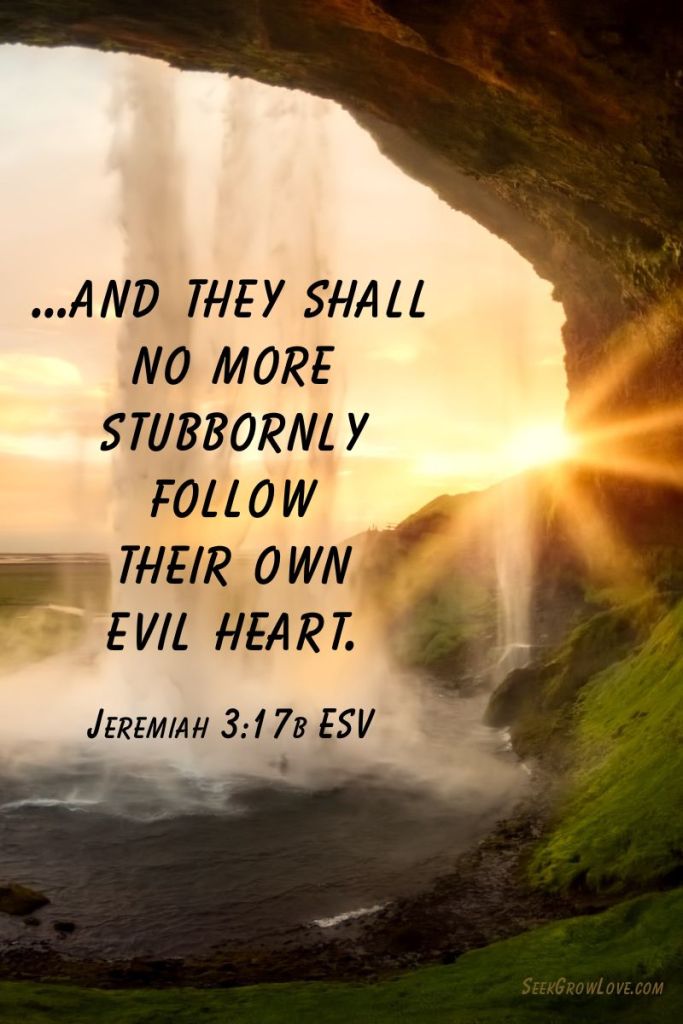
    17 At that time Jerusalem shall be called the throne of the LORD, and all nations shall gather to it, to the presence of the LORD in Jerusalem, and they shall no more stubbornly follow their own evil heart.

    18 In those days the house of Judah shall join the house of Israel, and together they shall come from the land of the north to the land that I gave your fathers for a heritage.

    The story ends with the goodness of God. No matter what, God will send good shepherds, most importantly the Good Shepherd, Jesus. All nations will come to worship God in the holy city of Jerusalem. The people of God will be reunited again. This is a kingdom promise, a kingdom promise located in the darkest period of the history of the people of God.

    Friends, that is our lesson for today: no matter how dark the world gets, no matter how hopeless our future seems, the kingdom is coming. The King is returning.

    Instead of focusing on the darkness around us and the turmoil (war, politics, etc.), let’s focus on God and on the hope we have for the future. And let’s share that with others, too.

    -Will Barlow

    Reflection Questions

    Self assessment: how are you feeling with all that is going on in the world today?

      What can you do to be a brighter light in the midst of this darkness?

      How can you stay anchored in the hope of the return of Jesus while also paying appropriate attention to the things of the world?

      Standing for God

      OLD TESTAMENT: Jeremiah 1 & 2

      POETRY: Psalm 115

      NEW TESTAMENT: 2 Peter 1

      Have you ever thought that it was too hard to stand for God in the middle of this dark world? Have you ever feared ridicule that kept you from sharing your faith with someone? I know that I have thought both of these things at times in my life.

      One example in Scripture that serves to encourage us in this category is Jeremiah. Jeremiah served as a prophet in one of the darkest days for the people of God, beginning his ministry right before the exile into Babylon. Jeremiah 1 chronicles the “call” of Jeremiah to serve God.

      Jeremiah 1:4-5 (ESV)

      4 Now the word of the LORD came to me, saying,

      5 “Before I formed you in the womb I knew you, and before you were born I consecrated you; I appointed you a prophet to the nations.”

      God tells Jeremiah that He knew him before he was born! Not only that, God called Jeremiah to be a prophet before he was born. What an incredible calling! And Jeremiah would need this kind of encouragement and consolation, because the people of God at this point in history were not inclined to listen to the Lord’s instruction. In fact, Jeremiah’s whole life would be filled with heartache and sorrow as he fulfilled his role as a prophet to the people of Judah in this time before and during the exile.

      Jeremiah, just like Moses and many throughout the Bible (and perhaps some of us, too!), argued with God’s choice. God responds with the only words that Jeremiah needed to hear (and the only words that we often need to hear):

      “Do not be afraid of them, for I am with you to deliver you.”

      They continue talking — God shows Jeremiah some visions. At the end of the chapter, God reiterates this simple word to Jeremiah:

      “They will fight against you, but they shall not prevail against you, for I am with you, declares the LORD, to deliver you.”

      Jeremiah faced many challenges in his life. He was tempted to be discouraged at every turn. And yet, in his darkest moments, he could remember the simple words that God told him the day that he was called:

      “I am with you.”

      Today, you can rest knowing that God is with you, just like He was with Jeremiah. We may face different types of battles than Jeremiah did, but the same God that was with Jeremiah is with us. He will deliver us.

      -Will Barlow

      Reflection Questions

      What do you notice in your mind and body when you face opposition? Do you tense up, get angry, feel intimidated? How can you acknowledge and hold space for these feelings while also living your faith out the way that you desire to?

        What can you do to be more intentional to stand for God bravely as Jeremiah did?

        Have you ever argued with God when He has asked you to do something? What did you do? What can you learn from that experience?

        Shepherd the Flock & Be Watchful

        OLD TESTAMENT: 2 Chronicles 35 & 36

        POETRY: Psalm 115 (all week)

        NEW TESTAMENT: 1 Peter 5

        What is the best way to lead others in the church? What is the best way to follow church leadership?

        At the end of 1 Peter, Peter gives some exhortations to leaders in the church and then to the general assembly. His exhortation to leadership, while brief, is powerfully meaningful:

        1 Peter 5:2-3 (ESV)

        2 shepherd the flock of God that is among you, exercising oversight, not under compulsion, but willingly, as God would have you; not for shameful gain, but eagerly;

        3 not domineering over those in your charge, but being examples to the flock.

        Leaders in the church are commanded to shepherd the flock not by abusing authority but by being examples. Peter is repeating what Jesus taught him years before (see Matthew 20:25-28). Jesus served others in love, showing everyone how to live a godly life. He did not collect taxes, lead an army, start a big corporation, or run for President (or Caesar, not that it was a democracy!), but even if he held a prominent worldly position, he would not have led through fear or domination.

        How many times has this gone wrong in the history of the Christian church? How often are leaders tempted to lead this way? As a pastor, knowing how common this problem is leads me to greater personal reflection and humility. My job is to serve willingly and eagerly and to be a good example to the people in our congregation. That sounds simple and straightforward, but the other way is tempting. Leaders, we must keep the servant’s towel wrapped around our waist at all times!

        Peter goes on to admonish the whole assembly to be humble, to cast anxieties to God, and to be watchful. Each of these dispositions is important. First, humility is a foundational Christian attribute. It’s like the key to the door of growth. Humility says, “I don’t know everything yet. I can still learn more.” Everyone in the church should be humble before God and before the Scriptures. There is always more to learn. There is always more to live.

        Second, we are to cast our anxieties to God. This world is full of trouble and brokenness. All of us experience anxiety from time to time. We must remember that God cares about every aspect of our lives. What a crazy thing to believe, but it is true — the Creator of the Universe wants a relationship with you! God cares for you!

        Finally, we are to be watchful. There are influences of darkness in the world around us (see: anxieties above). The powers of darkness, led by the adversary/devil, have built systems to damage our faith and lead us into temptation. Just as our Lord Jesus taught, we seek God instead. He will deliver us from evil, and the promise is, that as we resist, the devil will flee (see also James 4:7).

        -Will Barlow

        Reflection Questions:

        1. (Leaders) How do you stay humble and focused on serving the people around you?
        • (Non-leaders) What can you do if you are concerned about your leaders and how they are behaving?
        • Are there things in your life that need more watchfulness or resisting the powers of darkness? What can you do to strengthen your resolve in those categories?

        Using Your Gift

        OLD TESTAMENT: 2 Chronicles 33 & 34

        POETRY: Psalm 115

        NEW TESTAMENT: 1 Peter 4

        Have you ever wondered what gifts you have been given by God? Have you ever doubted that you even HAVE a gift from God? In the middle of 1 Peter 4, Peter gives a simple statement about gifts that should arrest our attention:

        1 Peter 4:10-11 (ESV)

        10 As each has received a gift, use it to serve one another, as good stewards of God’s varied grace:

        11 whoever speaks, as one who speaks oracles of God; whoever serves, as one who serves by the strength that God supplies–in order that in everything God may be glorified through Jesus Christ. To him belong glory and dominion forever and ever. Amen.

        We are first comforted (or perhaps surprised!) to hear that we have received a gift. What are we to do with our gift? We are commanded to serve one another in love — that is the way that we can use God’s grace appropriately.

        Peter also gives two large categories for gifts from God: speaking gifts and serving gifts. Unfortunately, in the modern Western church, most Christians think of the “speaking gifts” when they think of gifts. And so, when asked, “what is your gift?” so many are tempted to think that they do not even have one. But Peter does not teach this, nor do the rest of the Scriptures.  For example, giving mercy is listed as a gift in Romans 12, and administration is listed as a gift in 1 Corinthians 12. The gifts of God come in many shapes and sizes.

        If you are unsure what your gift is (or gifts are!), what can you do? I believe that Peter would encourage you to get more involved in a local congregation of Jesus followers. Try volunteering for a food drive, helping to set up for a special event, or working with the children’s ministry. Do you have any musical ability? Perhaps your worship team could use an extra instrument or voice. Has God put a desire for preaching or teaching in your heart? Ask your pastor how you can develop this desire into something more concrete. Do you have a heart for the homeless, those in prison, single parents, or another disadvantaged group of people in your community? The opportunities for exploration and service are virtually endless!

        Many times, I think we overcomplicate the idea of gifts. We are each unique people, valued by our infinite Creator. None of us are alike in every way. God has especially given you abilities that I may not have, and He has given me abilities that you may not have. And even if we have the same gift type, we will express it uniquely! This is the value and the beauty of the Body of Christ — we are both designed to fit in and belong to the church of Jesus Christ, AND we are designed to stand out in unique ways.

        Ask God to show you what desires He would like you to pursue. As you pursue those gifts, remember that it’s all about Him. It’s His ability, His power — even your life belongs to Him! So love Him with your whole heart and love your neighbor as yourself. As you do, you’ll learn more about Him and more about how He has uniquely gifted and enabled you to do good works that point back to Him. 

        -Will Barlow

        Reflection Questions

        1. Do you have any ideas about the gifts that you have? What can you do to learn more about yourself and about God?
        • What gifts of others do you especially appreciate? How does this practice of thankfulness for others’ gifts help us greater appreciate the Body of Christ?
        • What next steps are you going to take to develop an awareness of your gifts and how they can be used to serve others and glorify God?

        Will Barlow is the head pastor at Compass Christian Church in Louisville, KY. He lives near Louisville with his wife of 15 years (Becca) and three children (Liam, Hannah, and Isaac). Besides theology, he enjoys playing sports, watching sports, and spending time with his family.

        Tremble!

        OLD TESTAMENT: Isaiah 65 & 66

        POETRY: Psalm 114

        NEW TESTAMENT: 1 Peter 3

        Isaiah 65:17-18 (LEB):

        “For look! I am about to create new heavens and a new earth,

        and the former things shall not be remembered,

        and they shall not come to mind.

        But rejoice and shout in exultation forever and ever

        over what I am about to create!

        For look! I am about to create Jerusalem as a source of joy,

        and her people as a source of gladness.”

        Isaiah 66:2 (LEB):

        “For my hand made all these things,

        and all these came to be,” declares Yahweh.

        “But I look to this one: to the humble and the contrite in spirit,

        and the one who trembles at my word.”

        Psalm 114:7-8 (LEB):

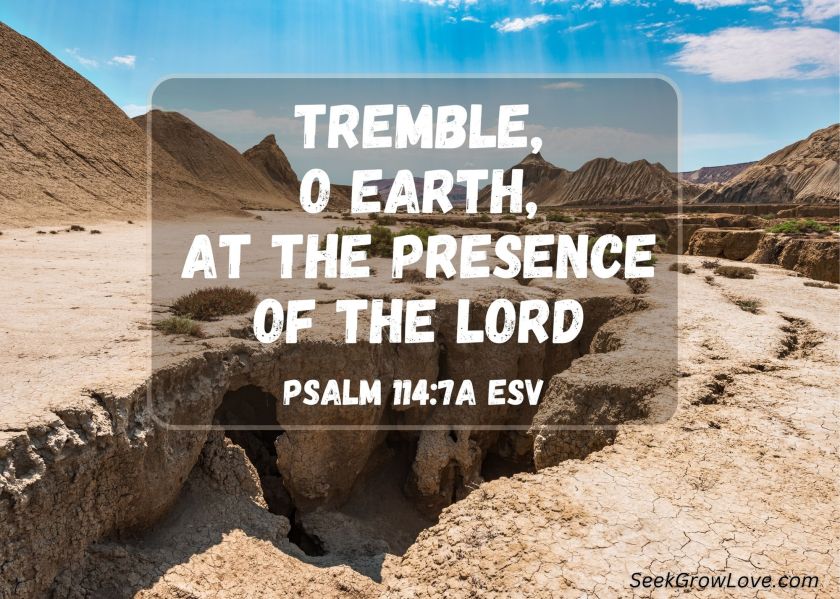
        “Tremble, O earth, at the presence of the Lord,

        at the presence of the God of Jacob,

        who turns the rock into a pool of water,

        the flint into a fountain of water.”

        1 Peter 3:8-9 (LEB):

        “Finally, all of you be like-minded, sympathetic,

        showing mutual love, compassionate, humble,

        not repaying evil for evil or insult for insult,

        but on the contrary blessing others,

        because for this reason you were called,

        so that you could inherit a blessing.”

        In Isaiah 65, God speaks of a future where He will create new heavens and a new earth, where the pain and sorrow of the former world will be forgotten. This promise is not only a vision of a restored creation but a source of deep joy for God’s people. Jerusalem, once marked by suffering and loss, will become a place of gladness, and its people will experience the fullness of God’s grace and redemption.

        As we move into Isaiah 66, the prophet emphasizes the kind of people God looks to in this time of renewal: those who are humble, contrite in spirit, and who tremble at His word. This passage reminds us that God’s renewal is not just about external transformation but also about the transformation of the heart. God values a spirit that is humble and reverent before Him, acknowledging His greatness and responding in obedience to His word.

        Psalm 114 recounts the mighty works of God during the Exodus, as He led Israel out of Egypt and through the Red Sea. The psalm paints a vivid picture of the earth trembling at God’s presence. The seas part, the mountains skip, and rocks turn into pools of water. This psalm highlights the awe-inspiring power of God over all creation, reminding us of His authority to transform not only nature but also our lives.

        As the earth trembles at God’s presence, we are called to approach Him with reverence. Just as He turned the hard rock into flowing water, God can bring life and renewal to the hardest and most barren areas of our lives. In times of dryness or difficulty, we can trust in God’s power to transform our circumstances and bring about new life.

        1 Peter 3 encourages believers to live in harmony with one another, showing compassion, humility, and love. Peter calls us to be sympathetic and humble, responding to evil and insult not with retaliation but with blessing. This instruction reflects the heart of Jesus’ teachings on loving our enemies and blessing those who persecute us (Matthew 5:44). As followers of Christ, we are called to embody a radical love that seeks peace and extends grace, even in the face of opposition.

        Peter’s reminder that we are called to inherit a blessing is significant. As we bless others, we align ourselves with the heart of God, who has blessed us richly through Christ. Our identity as recipients of God’s mercy and grace empowers us to live in ways that reflect His love to the world.

        This week, meditate on the renewal God promises in Isaiah, the power He displays in Psalm 114, and the call to humble, compassionate living in 1 Peter. Let these truths remind you of God’s ability to transform both your life and the world around you, as you seek to live in harmony with others and bless them in Christ’s name.

        -Jeff Ransom

        Reflection Questions:

        How does the promise of a new heaven and new earth in Isaiah 65 inspire hope in your daily life, especially in the midst of challenges or sorrow?

        What does it mean to you to have a “humble and contrite spirit” before God, as described in Isaiah 66? How can you cultivate this posture in your relationship with Him?

        Reflect on the power of God over creation as seen in Psalm 114. How can you trust in His transforming power in areas of your life that feel difficult or barren?

        In what ways can you embody the compassionate and humble living described in 1 Peter 3? How can you actively bless others, even when faced with opposition or insult?

        God’s People and His Clay

        OLD TESTAMENT: Isaiah 63 & 64

        POETRY: Psalm 113

        NEW TESTAMENT: 1 Peter 2

        Isaiah 63:7 (LEB):

        “I will make known the loyal love of Yahweh,

        the praises of Yahweh,

        according to all that Yahweh has done for us,

        and the great goodness to the house of Israel

        that he has done for them according to his compassion

        and according to the abundance of his loyal love.”

        Isaiah 64:8-9 (LEB):

        “Yet, Yahweh, you are our father;

        we are the clay, and you are our potter,

        and we all are the work of your hand.

        Do not be exceedingly angry, O Yahweh,

        and do not remember iniquity forever!

        Look! Behold, we all are your people.”

        Psalm 113:3 (LEB):

        “From the rising of the sun to its setting,

        the name of Yahweh is to be praised.”

        1 Peter 2:9-10 (LEB):

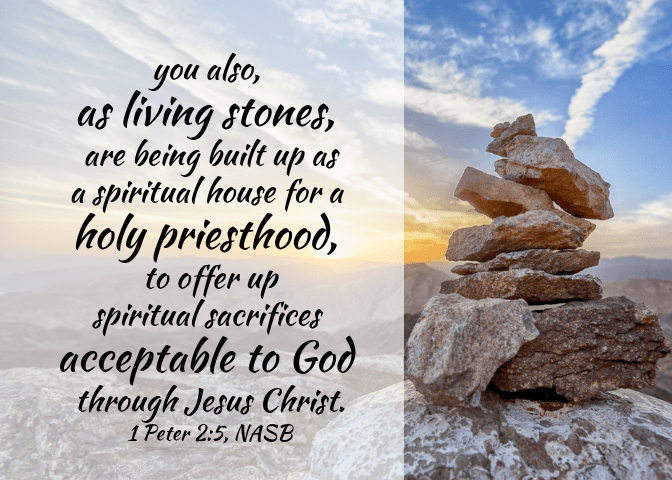
        “But you are a chosen race, a royal priesthood, a holy nation, a people for his possession,

        so that you may proclaim the virtues of the one who called you out of darkness into his marvelous light,

        who once were not a people, but now are the people of God,

        the ones who were not shown mercy, but now are shown mercy.”

        Isaiah 63 begins with a reflection on God’s loyal love and compassion. Despite Israel’s history of rebellion, the prophet praises God for His great goodness and mercy. This loyal love is not based on Israel’s worthiness but on God’s steadfast character. The passage recounts how God delivered His people, bore their suffering, and worked for their redemption throughout history.

        However, Isaiah 64 shifts to a cry for mercy and forgiveness. The people of Israel acknowledge their sin and unworthiness, likening themselves to clay in the hands of a divine potter. They plead with God not to remember their iniquity forever and ask for Him to show mercy once again. This chapter reminds us that no matter how broken or far from God we may feel, He remains our loving Father, and we are the work of His hands. He is able to mold us, forgive us, and restore us according to His mercy.

        Psalm 113 calls all creation to praise the name of Yahweh from the rising of the sun to its setting. This psalm exalts God’s sovereignty, lifting Him high above all the nations. Yet, despite His greatness, the Lord cares deeply for the lowly. He raises the poor from the dust and lifts the needy from their affliction. God’s majesty and compassion are held together in perfect harmony, and His name is worthy to be praised at all times and in all circumstances.

        This psalm challenges us to recognize God’s goodness, even in the midst of difficulty. From the moment the sun rises until it sets, His name deserves our praise. Whether in times of blessing or struggle, God’s compassion remains steadfast, and our response should be one of continuous worship and gratitude.

        In 1 Peter 2, we are reminded of the incredible transformation we experience through Jesus Christ. We, who were once in darkness, have been called into God’s marvelous light. Peter describes believers as a “chosen race, a royal priesthood, a holy nation, a people for His possession.” These titles reflect our new identity in Christ and the purpose for which we were called—to proclaim the virtues of the One who saved us.

        Peter contrasts our former state of not being a people with our new reality of being God’s people. Once, we were outside of mercy, but now we have received mercy. This passage is a powerful reminder that our identity is not defined by our past or our failures, but by God’s choosing and grace. As His chosen people, we are called to live in holiness, reflecting His light to the world.

        This week, reflect on God’s mercy in Isaiah 63-64 and His greatness in Psalm 113. Let these truths shape your understanding of your identity in Christ, as Peter describes. As God’s chosen people, live in His light, praising His name, and proclaiming His goodness to the world around you.

        -Jeff Ransom

        Reflection Questions:

        How does the imagery of God as a potter and us as clay in Isaiah 64 speak to your relationship with Him? In what areas of your life do you need to submit to His molding?

        How can you live out the call to praise God from the rising to the setting of the sun, even when circumstances are difficult?

        Reflect on your new identity as described in 1 Peter 2:9-10. How can understanding that you are a chosen and holy person shape the way you live and share your faith with others?

        In what ways can you proclaim the virtues of the One who has called you out of darkness into His marvelous light in your daily life?

        Our Amazing Living Hope

        OLD TESTAMENT: Isaiah 61 & 62

        POETRY: Psalm 112

        NEW TESTAMENT: 1 Peter 1

        Isaiah 61:1-2 (LEB):

        “The Spirit of the Lord Yahweh is upon me,

        because Yahweh has anointed me;

        he has sent me to bring good news to the oppressed,

        to bind up the brokenhearted,

        to proclaim release to the captives

        and liberation to those who are bound,

        to proclaim the year of Yahweh’s favor

        and the day of vengeance of our God,

        to comfort all who mourn.”

        Isaiah 62:11-12 (LEB):

        “Look! Yahweh has proclaimed to the end of the earth:

        Say to daughter Zion, ‘Look, your salvation is coming!

        Look, his reward is with him, and his recompense in his presence.’

        And they shall call them ‘The Holy People, The Redeemed of Yahweh,’

        and you shall be called ‘Sought After, A City Not Forsaken.'”

        Psalm 112:6-7 (LEB):

        “For the righteous will not be moved forever;

        they will be remembered forever.

        They are not afraid of bad news;

        their heart is steadfast, trusting in Yahweh.”

        1 Peter 1:3-4 (LEB):

        “Blessed be the God and Father of our Lord Jesus Christ,

        who according to his great mercy

        has caused us to be born again to a living hope

        through the resurrection of Jesus Christ from the dead,

        into an inheritance imperishable and undefiled

        and unfading, reserved in heaven for you.”

        Isaiah 61 presents a powerful declaration of the Messiah’s mission. This passage, which Jesus Himself read in the synagogue (Luke 4:16-21), speaks of the transformative work of the Spirit of God. The Messiah brings good news to the oppressed, heals the brokenhearted, and proclaims freedom to captives. This is a message of liberation, healing, and hope—a mission of restoring what sin has broken and bringing the year of the Lord’s favor.

        As we move into Isaiah 62, the focus shifts to the future glory and salvation of Zion. God’s people are given new names: “The Holy People” and “The Redeemed of Yahweh.” These names reflect their restored identity and the transformation that salvation brings. Once forsaken and desolate, God’s people are now called “Sought After” and “A City Not Forsaken.” This is a beautiful reminder that God’s salvation renews our identity, bringing hope and purpose where there once was despair.

        Psalm 112 describes the life of the righteous, those who fear the Lord and delight in His commands. The psalmist paints a picture of a life marked by generosity, justice, and steadfastness. The righteous are not afraid of bad news because their hearts are secure in the Lord. Their confidence is not rooted in circumstances, but in the unshakable nature of God’s character.

        Even in the face of uncertainty or difficulty, the righteous remain steadfast, trusting in Yahweh. This psalm encourages us to live with a heart that is grounded in God’s faithfulness. Like a tree firmly planted, the righteous are not easily moved by the storms of life, for their foundation is in the One who holds all things together.

        In 1 Peter 1, we are reminded of the incredible hope we have in Christ. Through his resurrection, we have been born again to a “living hope,” an inheritance that is imperishable, undefiled, and unfading. This hope is not something fleeting or fragile, but a secure and eternal reality that is reserved in heaven for us.

        Peter goes on to call believers to live lives of holiness in light of this great hope. Just as God is holy, we are called to be holy in all we do. This holiness is not a burdensome requirement but a response to the incredible mercy and grace we have received. We are to set our hope fully on the grace that is to be revealed at the return of Jesus Christ, allowing this hope to shape our lives and our actions.

        This week, meditate on the liberating mission of the Messiah in Isaiah, the secure life of the righteous in Psalm 112, and the living hope that is yours through the resurrection of Jesus in 1 Peter. Let these truths remind you of your identity as God’s holy and redeemed people, and allow the joy of your salvation to shape every aspect of your life.

        -Jeff Ransom

        Reflection Questions:

        How does the mission of the Messiah in Isaiah 61-62 inspire you to reflect God’s love and healing in your life and the lives of others?

        In what ways can you cultivate the steadfastness described in Psalm 112, especially when faced with difficult news or circumstances?

        How does the living hope described in 1 Peter 1 give you encouragement in your daily walk? How can this hope shape your perspective and actions?

        What steps can you take to live a life of holiness, as Peter encourages, knowing that this is a response to the incredible grace and salvation you have received?

        You and God

        OLD TESTAMENT: Isaiah 59 & 60

        POETRY: Psalm 111

        NEW TESTAMENT: James 5:13-20

        Isaiah 59:1-2 (LEB):

        “Look! The hand of Yahweh is not too short to save,

        and his ear is not too dull to hear.

        Rather, your iniquities have been barriers

        between you and your God,

        and your sins have hidden his face from you

        so that he does not hear.”

        Isaiah 60:1-2 (LEB):

        “Arise! Shine! For your light has come,

        and the glory of Yahweh has risen on you.

        For look! Darkness shall cover the earth,

        and thick darkness the peoples,

        but Yahweh will rise on you,

        and his glory will appear over you.”

        Psalm 111:2-3 (LEB):

        “The works of Yahweh are great,

        studied by all who delight in them.

        Full of splendor and majesty is his work,

        and his righteousness endures forever.”

        James 5:16 (LEB):

        “Therefore, confess your sins to one another and pray for one another so that you may be healed. The effective prayer of a righteous person is very powerful.”

        Isaiah 59 begins with a sobering reminder of the impact of sin on our relationship with God. God’s hand is not too short to save, and His ears are not too dull to hear, but our sins create a barrier between us and Him. Sin distorts our lives, causes separation from God, and prevents us from experiencing the fullness of His presence. The chapter highlights the pervasive effects of sin, not just on individuals but on society as a whole.

        However, Isaiah 60 offers a contrasting vision of hope and redemption. Despite the darkness that covers the earth, God’s light shines upon His people, and His glory will rise over them. The imagery of light breaking through darkness reflects the transformative power of God’s salvation. God is not only able to overcome the darkness caused by sin, but He also calls His people to rise and shine, reflecting His glory in the world. This is a message of hope for all who feel weighed down by the consequences of sin—God’s light and glory will bring redemption, healing, and restoration.

        Psalm 111 is a hymn of praise that celebrates the greatness of God’s works. The psalmist invites us to reflect on the majesty and splendor of all that God has done, from creation to His acts of salvation. His works are not only grand but are also enduring, showcasing His righteousness and faithfulness throughout history. God’s deeds are meant to be studied and remembered by all who delight in Him.

        As we consider the brokenness described in Isaiah 59 and the hope in Isaiah 60, Psalm 111 reminds us of the consistent and righteous character of God. His works reveal His power, wisdom, and love, and His righteousness endures forever. When we are faced with difficulties, confusion, or darkness, this psalm encourages us to look to God’s past works as evidence of His faithfulness and the certainty of His future redemption.

        In the final chapter of James, we are invited into a deeper understanding of the power of prayer and confession. James calls on believers to pray in every circumstance—whether in suffering, joy, sickness, or sin. Prayer is not a passive response but an active and powerful tool through which God brings healing, restoration, and strength. The passage emphasizes the effectiveness of the prayers of a righteous person, showing that God hears and acts through the prayers of His people.

        Additionally, James highlights the importance of confessing sins to one another. Confession brings healing and breaks down the barriers that sin creates between individuals and God. It fosters community, accountability, and vulnerability, allowing believers to walk in truth and experience freedom together. James reminds us that prayer is not just personal but communal—praying for one another is a vital part of the body of Christ.

        This week, let the light of Isaiah 60 inspire you to rise and shine as God’s glory fills your life. Remember the majesty of God’s works in Psalm 111, and walk in the power of prayer and confession from James 5. Embrace the healing and restoration that come from living a life of openness and faith, trusting in the God who hears, forgives, and redeems.

        -Jeff Ransom

        Reflection Questions:

        Are there any barriers of sin in your life that are keeping you from experiencing God’s presence and power? How can you bring those before God in confession?

        How can you allow God’s light and glory to shine through you, especially in areas of your life where you feel overwhelmed by darkness?

        Reflect on a time when you have seen God’s faithfulness in your life or in the lives of others. How can remembering His works give you hope today?

        How can you grow in the practice of praying for others and confessing your sins to one another? What steps can you take to foster deeper community and accountability in your relationships?

        At the LORD’s Right Hand

        OLD TESTAMENT: Isaiah 57 & 58

        POETRY: Psalm 110

        NEW TESTAMENT: James 5

        Isaiah 58:6-7 (LEB):

        “Is this not the fast I choose: to release the bonds of injustice,

        to untie the ropes of the yoke,

        and to let the oppressed go free,

        and tear every yoke to pieces?

        Is it not to break your bread for the hungry?

        You must bring home the poor, the homeless.

        When you see the naked, you must cover him,

        and you must not hide yourself from your relatives.”

        Psalm 110:1-2 (LEB):

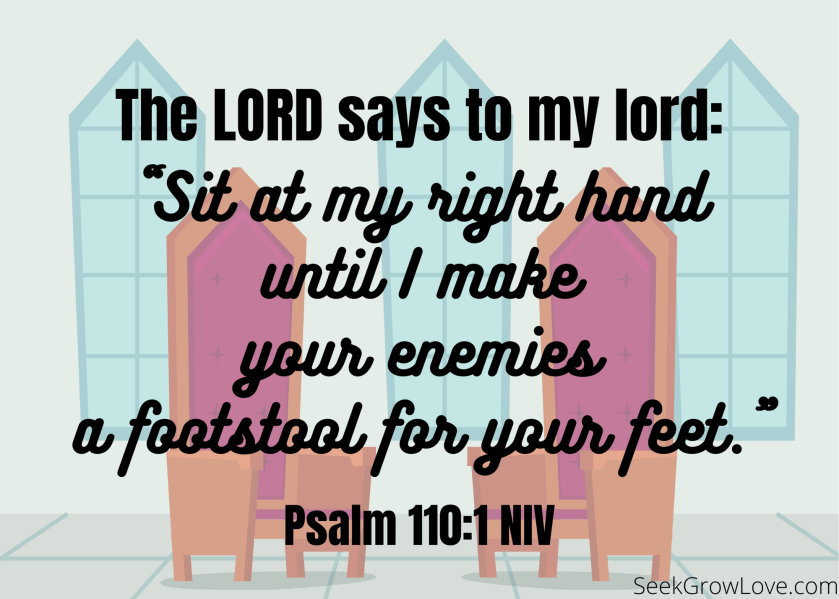
        “Yahweh declares to my lord,

        ‘Sit at my right hand

        until I make your enemies your footstool.’

        Yahweh will send out your mighty scepter from Zion;

        rule in the midst of your enemies.”

        James 5:8-9 (LEB):

        “You also be patient. Strengthen your hearts, because the coming of the Lord is near. Do not grumble against one another, brothers, so that you may not be judged. Behold, the Judge is standing at the doors!”

        Isaiah 57 highlights the wickedness of the people, contrasting their idolatrous practices with the righteousness God desires. The chapter serves as a warning against superficial worship and the danger of following our own desires. However, Isaiah 58 provides a blueprint for what true righteousness looks like. God calls His people to a life of justice, mercy, and compassion—acts of righteousness that reflect His heart.

        The fast that God desires is not one of mere ritual, but one of active love and justice. Releasing the oppressed, feeding the hungry, housing the homeless, and clothing the naked are the tangible expressions of worship that please God. These acts of mercy demonstrate a heart aligned with God’s purposes, as opposed to empty religious practices that neglect the needs of others.

        Psalm 110 speaks prophetically about the Messiah’s reign. It describes a vision of the Lord’s anointed seated at the right hand of God, with His enemies made a footstool beneath His feet. This psalm points to Jesus Christ as the exalted King and Priest, who rules with power and authority.

        As we reflect on the reign of Christ, we are reminded that no matter what challenges or opposition we face, Jesus is given all authority, and his victory is assured. He rules in the midst of his enemies, and God’s people are called to trust in the ultimate triumph achieved through Christ. Psalm 110 provides a powerful reminder that Christ’s kingdom is both now and not yet—he reigns even as we wait for the fullness of his victory to be revealed.

        James calls believers to patience as they await the coming of the Lord. He uses the example of the farmer who waits for the precious crop, trusting that the rains will come in their time. In the same way, we are to strengthen our hearts and remain steadfast in the face of trials, knowing that the Lord is near.

        James also warns against grumbling and impatience with others, encouraging believers to live in unity and peace. The passage reminds us that we will be held accountable for our actions and words, and that God, the righteous Judge, is always watching. We are called to endure suffering with patience, just as the prophets and Job did, trusting in God’s faithfulness through it all.

        This week, let Isaiah 58 challenge you to live out true righteousness by pursuing justice and compassion. Trust in Christ’s sovereign reign as declared in Psalm 110, and ask God to strengthen your heart as you patiently endure trials, knowing that the Lord is near. Let your life reflect the love, unity, and hope that comes from living in light of his victory and imminent return.

        -Jeff Ransom

        Reflection Questions:

        How can you actively live out the righteousness described in Isaiah 58 in your daily life?

        In what areas of your life do you need to trust in Christ’s reign, knowing that he is seated at the right hand of God with all authority?

        How can you strengthen your heart in times of trial, and what does it mean for you to patiently endure as James encourages?

        Are there relationships or situations where you are tempted to grumble or grow impatient? How can you bring those before God and seek His peace and patience?