-Devotion by Brian Froehlich (IL)
It is one of the saddest turns in all of Scripture.
Solomon — the man who asked God for wisdom, built the temple, and spoke profound truth — slowly drifted away from wholehearted devotion to God.
1 Kings chapter 11 does not describe a sudden rebellion. It describes a gradual compromise.
One relationship at a time.
One excuse at a time.
One divided loyalty at a time.
Solomon married many foreign women, and eventually “his wives turned his heart after other gods.” The problem was never simply ethnicity. The issue was spiritual influence and divided devotion. The man who once dedicated the temple to the LORD eventually participated in idolatry himself.
That is the terrifying reality of spiritual drift:
Nobody plans to ruin their walk with God.
People usually drift slowly, almost invisibly, until one day they realize they are far from where they once were.
And Solomon’s personal compromise eventually affected an entire nation.
After his death, the kingdom fractured. Rehoboam, Solomon’s son, inherited incredible opportunity but lacked wisdom and humility. When the people pleaded for lighter burdens, he rejected the counsel of experienced elders and listened instead to arrogant young advisers.
His answer was harsh.
His pride was costly.
The result?
The kingdom divided.
Ten tribes rebelled and formed the northern kingdom under Jeroboam, while Judah remained under Rehoboam’s rule.
What David united, Solomon weakened, and Rehoboam shattered.
These chapters are painful reminders that leadership matters. Pride spreads. Compromise spreads. Foolishness spreads. The consequences of one generation’s decisions often impact the next generation deeply.
But there is another tragedy here.
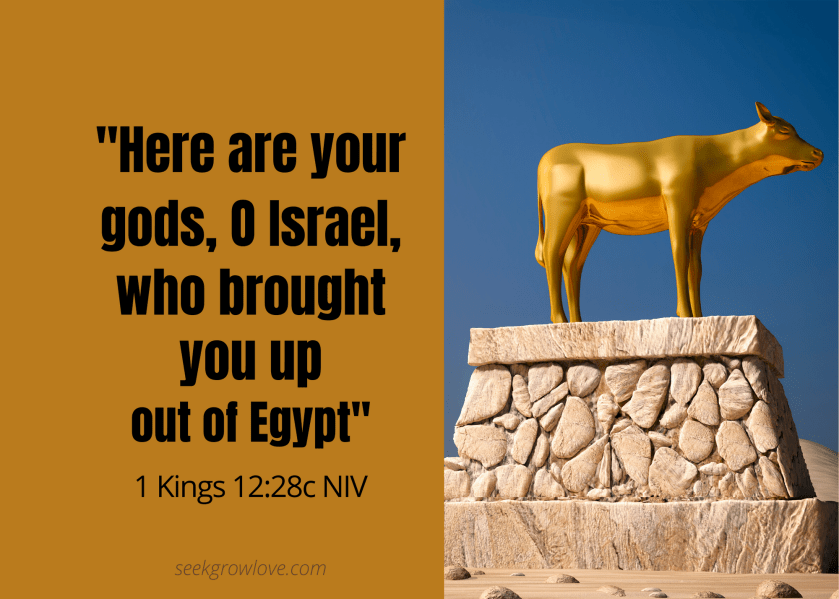
Jeroboam immediately feared losing political control if people continued worshiping in Jerusalem. So he created counterfeit worship centers with golden calves and told the people:
“Here are your gods, Israel…”
It was a recycled sin from the wilderness days under Moses.
Human nature has not changed much.
People still prefer convenient religion over costly obedience.
We still create watered-down substitutes for true worship.
We still reshape God into something more comfortable, manageable, and politically useful.
Yet even amid judgment and division, God preserved His promises.
The kingdom split, but God’s greater plan did not collapse.
The prophets would continue speaking.
The promised Messiah would still come through David’s line.
And God’s future Kingdom would still one day reunite what human sin had shattered.
That future hope matters because every earthly kingdom eventually fractures under the weight of human failure.
But the coming Kingdom of God will not be built upon fragile human wisdom. It will be ruled by a faithful King who will never drift, never compromise, and never fail.
Three Things to Remember
- Spiritual collapse usually happens slowly.
Small compromises can eventually reshape the entire heart.
- Pride destroys unity.
Rehoboam’s arrogance divided a kingdom.
- God’s promises survive human failure.
Even after division and rebellion, God continued moving history toward His coming Kingdom.
Sin rarely looks dangerous in its early stages.
That is why we must guard our hearts carefully.
Because kingdoms usually do not collapse overnight.
They collapse one compromise at a time.
Reflection Questions
- In what ways have you seen “Here are your gods, (insert name of your country)…”?
- Give an example of when unity has been destroyed by pride.
- Consider a sin in your own life. What were some compromises that led to this sin? How can we guard our hearts?
Prayer
Dear Lord, I praise You. Help me learn from Your word. Thank You for Your faithfulness through all the ages and in my life. Show me what You want from me. May I humbly follow You without compromise.