
Leviticus 8-9
Psalm 9
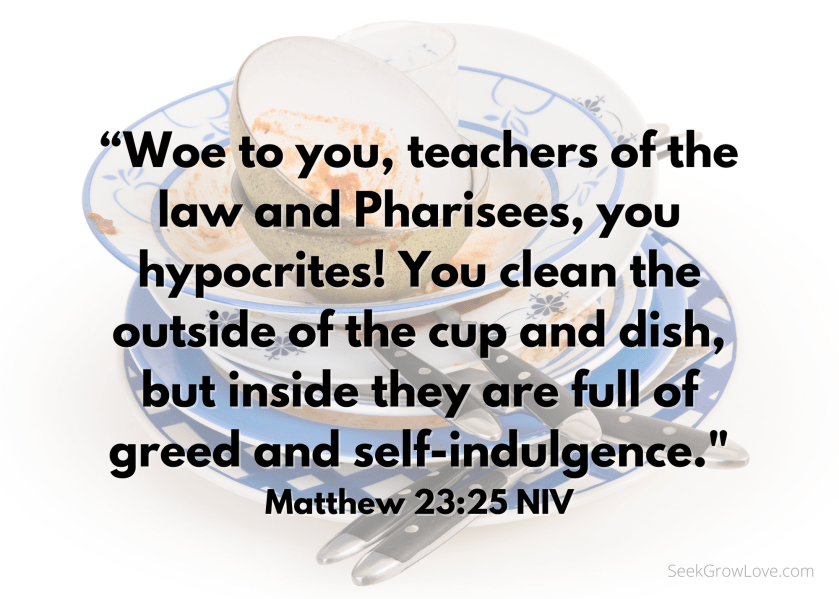
Matthew 23
Devotion by Tom Siderius (MI)
Religious practice is exactly what is said. It is our habitual practices that we bring to our walk with God and make rules for our lives. These practices are not necessarily good or evil but become the habits that we follow as people in our daily life. We also build habits that govern our time together as the body of Christ at church or fellowship. Once again, these practices are neither good or evil but are the way that we have decided to fellowship together.
The law of Moses covered almost every aspect of life for the nation of Israel and gave instruction in how to do righteous actions and have righteous thoughts. As we read in Leviticus these instructions can be very complex and to our culture maybe not very understandable.
In our reading in Matthew, we are at almost the end of Jesus’ life here on earth and he is at the temple. He has many debates with the leaders there and also spends time teaching the people. He throws out the moneychangers and vendors and then has many interactions with them that are maybe not the most decorous from their viewpoint.
Matthew 23:1-13(NLT) Then Jesus said to the crowds and to his disciples, 2 “The teachers of religious law and the Pharisees are the official interpreters of the law of Moses. 3 So practice and obey whatever they tell you, but don’t follow their example. For they don’t practice what they teach. 4 They crush people with unbearable religious demands and never lift a finger to ease the burden.
5 “Everything they do is for show. On their arms they wear extra wide prayer boxes with Scripture verses inside, and they wear robes with extra long tassels. 6 And they love to sit at the head table at banquets and in the seats of honor in the synagogues. 7 They love to receive respectful greetings as they walk in the marketplaces, and to be called ‘Rabbi.’
8 “Don’t let anyone call you ‘Rabbi,’ for you have only one teacher, and all of you are equal as brothers and sisters. 9 And don’t address anyone here on earth as ‘Father,’ for only God in heaven is your Father. 10 And don’t let anyone call you ‘Teacher,’ for you have only one teacher, the Messiah. 11 The greatest among you must be a servant. 12 But those who exalt themselves will be humbled, and those who humble themselves will be exalted.
13 “What sorrow awaits you teachers of religious law and you Pharisees. Hypocrites! For you shut the door of the Kingdom of Heaven in people’s faces. You won’t go in yourselves, and you don’t let others enter either.
Jesus gives us a compact instruction on how we are to practice our religious life in these short verses.
- We are to obey the true Word of God which does not fall
- We should not add rules and conditions of man to the Word of God
- We need to worship and practice with humility to God and His instructions to us.
- Bring people into the kingdom of God not draw lines to exclude them
In Micah God reminds us of what is important to Him and what we really need to do to live out the life of compassion and grace that He has called us to.
Micah 6:6-8)NLT) What can we bring to the LORD?
Should we bring him burnt offerings?
Should we bow before God Most High
with offerings of yearling calves?
7 Should we offer him thousands of rams
and ten thousand rivers of olive oil?
Should we sacrifice our firstborn children
to pay for our sins?
8 No, O people, the LORD has told you what is good,
and this is what he requires of you:
to do what is right, to love mercy,
and to walk humbly with your God.
Why does this judge our hearts so well?
We must be careful every day not to start to exalt our minds against God by patting ourselves on our backs for the great works of righteousness for Him that we do. Just doing religious practices and ignoring the grace that God has given us is the way to go down the wrong road (that’s when the pat on the back needs to be down lower). If our religious practices bring us closer to God through prayer, praise, love for others, and Christian service then we are building our relationship with God.
This is what He truly desires from us, not a showy religious practice. Contrast this with what so much of Christianity does today and the consequences of religious practice become immediately evident. Our God wants us to have the heart of grace and mercy towards this fallen world and people that He has. He has built the way to life through His Son Jesus Christ, and he is who we are to become like.
Galatians 2:16(NLT) Yet we know that a person is made right with God by faith in Jesus Christ, not by obeying the law. And we have believed in Christ Jesus, so that we might be made right with God because of our faith in Christ, not because we have obeyed the law. For no one will ever be made right with God by obeying the law.”
God’s grace is the important thing to bring to every part of life and practice. It is so human and wrong to be judgmental of people based on how I think they should act or think. I am offended in my mind by their lack of doing of the things that I think they ought to be doing.
Is this the mind of Christ towards others?
Titus 2:11-15a (NLT) For the grace of God has been revealed, bringing salvation to all people. 12 And we are instructed to turn from godless living and sinful pleasures. We should live in this evil world with wisdom, righteousness, and devotion to God, 13 while we look forward with hope to that wonderful day when the glory of our great God and Savior, Jesus Christ, will be revealed. 14 He gave his life to free us from every kind of sin, to cleanse us, and to make us his very own people, totally committed to doing good deeds. 15 You must teach these things and encourage the believers to do them
Hope of life with God and Christ in the kingdom to come is the guiding light for everything that we should be doing. When our motivations and intents of our hearts towards others is right with God then our actions will be godly and good. Our religious practices will become pleasing to God.
How can we examine our hearts in light of this understanding?
Romans 14:10-11(NLT) So why do you condemn another believer? Why do you look down on another believer? Remember, we will all stand before the judgment seat of God. 11 For the Scriptures say,
“‘As surely as I live,’ says the LORD,
‘every knee will bend to me,
and every tongue will declare allegiance to God.’”
Ultimately the motives of our hearts will be examined before all the creation and we will be judged at the “bema” for our actions and thoughts. It is not in the actions but our hearts that God sees as important to Him. To renew our minds is to change to become like Christ and do the true instruction of God in this world.
Matthew 23:37-39(NLT) “O Jerusalem, Jerusalem, the city that kills the prophets and stones God’s messengers! How often I have wanted to gather your children together as a hen protects her chicks beneath her wings, but you wouldn’t let me. 38 And now, look, your house is abandoned and desolate. 39 For I tell you this, you will never see me again until you say, ‘Blessings on the one who comes in the name of the LORD!’”
Reflection Questions
See questions in bold above.
Prayer:
Dear God, Thank you for the gifts of Your Word and Your Son where we see what You desire and the perfect example of loving and pleasing You. Forgive me for the times I have had a Pharisee’s heart. I want instead the mind of Christ. Help me see myself and others with Your eyes and remembering Your grace humbly respond as You want me to.


 Seek Grow Love