Generosity of Heart


2 Kings 13-14 

Psalm 67            

2 Corinthians 8

-Devotion by Tom Siderius (MI)

The Corinthian church was composed of a majority of Gentiles.  Corinth had been a Greek city and now was a Roman city. All the administration and customs there were Roman, and the culture was Greek and Roman combined.  The city was a very rich place by all accounts of that time because of the trade and transportation that went through it from both sides of the peninsula that it was located on.  The culture of that time was very religious, and it was not a question of believing in god, but what gods and when were the questions.  Also the city was full of the Greek philosophers such as the Stoics, Epicurians, Cynics, and others.  Giving and sacrifice was part of all these systems of pagan worship and thought.

Paul had advised the Corinthians about giving and its importance and position in the worship of daily life towards God.  We see evidence of what he taught them in Romans 16:1-4.  The flow of money and help was from the Gentile churches who had received the Word of Truth from the apostles and prophets of the early church, to the work that was centered in Jerusalem.  The church leaders there were James the brother of Jesus, as well as Peter and John.  Paul and Barnabas meeting with them is recorded in the book of Acts chapter 15 where the questions of the law and circumcision for the Gentiles were discussed and then settled with the apostles there.

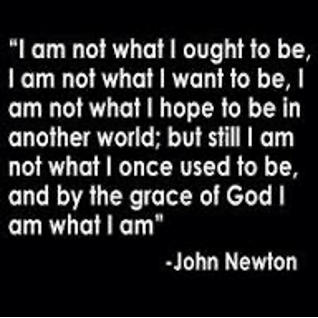
Giving is a simple and at the same time complex question that we need to understand and teach.  The tithes of the law do not apply to us now in the same way as in the Old Testament so there is no direct formula to follow.  We need to see that true Christian generosity comes from the heart of the believer.  First we are fully committed to Christ, and then our heart needs to change to be fully committed to the care of others both inside the church and outside of it.  Paul instructs us in 1 Corinthians 16 the “how” of our giving, and in 2 Corinthians 8-9 the “why” of our giving.

1 Corinthians 16:1-4(NLT) Now regarding your question about the money being collected for God’s people in Jerusalem. You should follow the same procedure I gave to the churches in Galatia. 2 On the first day of each week, you should each put aside a portion of the money you have earned. Don’t wait until I get there and then try to collect it all at once. 3 When I come, I will write letters of recommendation for the messengers you choose to deliver your gift to Jerusalem. 4 And if it seems appropriate for me to go along, they can travel with me.

Great advice about the “how” to do it part of the commitment to give.  We say “give to God” but there really isn’t any way that we can do that.  We can give out of our finances, resources and time to people and organizations but not directly to God.  God has no need of anything that we could possibly have or give to Him.  Everything that we have or possess is because of His grace and love.  Our finances, talents and abilities are all tools that can be utilized in our walk.  What he does ask us to do is to be conscious and generous about how we treat others in Christ, and those in need.  

What is your first reaction when you see a need in the church?

What is your first reaction when you see a need in another believer’s life?  

How about the unbeliever?

This gets difficult to figure out at times.  Giving to my direct church body in Blanchard is easy to figure out.  Giving to the General Conference is another easy choice.  Then there are direct gifts of money or time for those in need that we are directly related or connected with.  Then there are organizations outside the COGGC that may merit our help or financial support.  Paul once again gives us great advice on “why” of our giving in 2 Corinthians 8:8-15.  

2 Corinthians 8:8-12(NLT) I am not commanding you to do this. But I am testing how genuine your love is by comparing it with the eagerness of the other churches. 9 You know the generous grace of our Lord Jesus Christ. Though he was rich, yet for your sakes he became poor, so that by his poverty he could make you rich. 10 Here is my advice: It would be good for you to finish what you started a year ago. Last year you were the first who wanted to give, and you were the first to begin doing it. 11 Now you should finish what you started. Let the eagerness you showed in the beginning be matched now by your giving. Give in proportion to what you have. 12 Whatever you give is acceptable if you give it eagerly. And give according to what you have, not what you don’t have.

Paul once again puts financial giving into perspective for us.  We should be eager and willing to walk in truth, knowledge, faith and love.  And to this also Paul shows that our Christian giving is important.  It is not an obligation but rather a choice that we should make about our priorities and directions.  

2 Corinthians 8:13-15(NLT) Of course, I don’t mean your giving should make life easy for others and hard for yourselves. I only mean that there should be some equality. 14 Right now you have plenty and can help those who are in need. Later, they will have plenty and can share with you when you need it. In this way, things will be equal. 15 As the Scriptures say,

“Those who gathered a lot had nothing left over,

and those who gathered only a little had enough.”

See also the record from Romans where Paul talks about the gifts and the direction of the flow of support to Jerusalem that is recorded in Acts 15. 

Romans 15:25-27(NLT) But before I come, I must go to Jerusalem to take a gift to the believers there. 26 For you see, the believers in Macedonia and Achaia have eagerly taken up an offering for the poor among the believers in Jerusalem. 27 They were glad to do this because they feel they owe a real debt to them. Since the Gentiles received the spiritual blessings of the Good News from the believers in Jerusalem, they feel the least they can do in return is to help them financially

We don’t have a law of giving to follow, but the promise from God that those who sow generously will reap generously.  Recognition of the riches of our life that God has given us will change our perspective on our life, family, job, and church body.  This new godly perspective of our position and responsibilities will change us to be able to give with a generous heart and mind.  We will be able to do the good works that God has prepared for us to do in this life.

Reflection Questions

Can we truly do any good work that does not involve God?

If God calls us to do something won’t He give us the resources to do it?

Prayer

Father God, we put our hearts and hands into Yours.  Thank you for your great love to give us the bread of our need this day, and the resources to help others.  Bless the work of our hands, and the responses of our heart.  Be with us this day and help us to do the works You have called us to do.  In the name of Your Son Jesus Christ.

Godly Sorrow Works Repentance

2 Kings 11-12  
Psalm 66            
2 Corinthians 7

-Devotion by Tom Siderius (MI)

Join us together today reading tough history lessons from 2 Kings and the letter to the 2 Corinthians that is a corrective epistle.  The book of Romans is mostly doctrinal and is telling us how to believe correctly in Christ.  The epistle of 1 Corinthians is correction and in it Paul does many corrections of the wrong believing that the church there had, which caused the wrong actions that they had done.  The second epistle of Corinthians is a follow up to the first one, and Paul gives them additional correction that they are ready to hear now.  He continues to give them guidance on how to apply what they have learned from him and other teachers that have instructed their church.  

2 Corinthians 7:8-13(NLT) I am not sorry that I sent that severe letter to you, though I was sorry at first, for I know it was painful to you for a little while. 9 Now I am glad I sent it, not because it hurt you, but because the pain caused you to repent and change your ways. It was the kind of sorrow God wants his people to have, so you were not harmed by us in any way. 10 For the kind of sorrow God wants us to experience leads us away from sin and results in salvation. There’s no regret for that kind of sorrow. But worldly sorrow, which lacks repentance, results in spiritual death. 11 Just see what this godly sorrow produced in you! Such earnestness, such concern to clear yourselves, such indignation, such alarm, such longing to see me, such zeal, and such a readiness to punish wrong. You showed that you have done everything necessary to make things right. 12 My purpose, then, was not to write about who did the wrong or who was wronged. I wrote to you so that in the sight of God you could see for yourselves how loyal you are to us. 13 We have been greatly encouraged by this.

This section from 2 Corinthians 7 is very instructional for all of us.  Paul shows us how to relate to each other when sin is involved.  Then he gives us insight into how to change to become more like Christ.  I know for sure that I have had several instances in my walk with God where this section of scripture has applied (like 5000, maybe more).  When we are corrected by the Word of God and the ministers of it, it at first will not be comfortable or palatable.  Our first human reaction is to reject the correction because I am sure that it is wrong and certainly does not apply to me.  

Then as we contemplate and meditate on what is written our minds will become convicted by the truth.  Repentance is the motivation to change our ways and comes from learning what is correct believing and correct behavior.  It will lead us away from our wrong thoughts and behavior giving us a new perspective and new thinking.  Maybe a renewing of our minds (any idea where that came from?) to the truth.  

We need to learn how to believe in Christ correctly, but life is filled with opportunities to do it God’s way or our own way.  Making Christ lord in our lives must include the humility to let the truth change our thinking into the thoughts of God.

Get rid of stinking thinking!!  Crude but effective comment.  

If there is no brother or sister in Christ willing and able to show us the wrong direction of our ways, then we will continue to be living without fellowship with God and His Son.  We all have strengths in different areas of our lives, and together we replace the absent Christ as the church of his body.  You may be able to help me to see the correct path in a given situation for what I need to do.  But if you are not willing to correct me, I am the loser.  In the same way I need to see the actions and behavior of others through the lens of scripture.  If correction is needed, then we should do it with gentleness and care for others.  It is not a hammer to be wielded on others but a pointing to the truth with firmness and strength of truth.   

2 Timothy 2:25-26(NLT) Gently instruct those who oppose the truth. Perhaps God will change those people’s hearts, and they will learn the truth. 26 Then they will come to their senses and escape from the devil’s trap. For they have been held captive by him to do whatever he wants.

Reflection Questions

Does this section of 2 Corinthians help you to see the path of righteous living?

Are you willing to be the leader in Christ that this is calling us to be?

How should we handle these situations with others in the church?

Prayer

Father God, we have failed you so many times. Thank you for bringing us back to You through godly teaching and leadership. Help us to be the child You desire us to be and to repent of our shortcomings and failure. Thank you Father for the forgiveness of our sin in every part of our lives. All praise to You on high, You are our Father and we love You so much. In the name of our lord and savior Jesus Christ.

Refined Like Silver

2 Kings 9-10    

Psalm 66           

2 Corinthians 6

-Devotion by Tom Siderius (MI)

Psalms 66:8-10(NKJV)

Oh, bless our God, you peoples!

And make the voice of His praise to be heard,

9 Who keeps our soul among the living,

And does not allow our feet to be moved.

10 For You, O God, have tested us;

You have refined us as silver is refined.

There is a theme going through all the sections  we are reading  today.  We are slaves to sin before we receive Christ, but then after, we can walk with righteous new life before our Father.  Our hearts need to become like the heart of Christ and not the heart of disobedience which is what we had before we became children of God.  Silver is refined by heat, a process carried out multiple times.  Our heart needs continual refining towards the goal of becoming like Christ.  We don’t start out that way and the lifetime fight with the deceitful heart is something all of us will have with our walk with God.

Genesis 8:21(NLT) And the LORD was pleased with the aroma of the sacrifice and said to himself, “I will never again curse the ground because of the human race, even though everything they think or imagine is bent toward evil from childhood. I will never again destroy all living things.

The nation of Israel had as king Ahab and the queen his wife Jezebel who led their nation into a continual and total worship of Baal.  This was the time of Elijah and then Elisha.  Remember the contest on the mountain between the prophets of Baal and the prophet of God Elijah?  This became a time of such idolatry in the 10 tribes’ nation of Israel that God calls out and then sends Jehu, one of the commanders in Ahab’s army, to settle the situation.  God has the prophet tell Jehu that he will be king, but he must kill Ahab and all his family.  He also was directed to destroy all the temples and prophets of Baal.

2 Kings 10:25-31(NLT) Then Jehu’s men went into the innermost fortress of the temple of Baal. 26 They dragged out the sacred pillar used in the worship of Baal and burned it. 27 They smashed the sacred pillar and wrecked the temple of Baal, converting it into a public toilet, as it remains to this day.

28 In this way, Jehu destroyed every trace of Baal worship from Israel. 29 He did not, however, destroy the gold calves at Bethel and Dan, with which Jeroboam son of Nebat had caused Israel to sin.

30 Nonetheless the LORD said to Jehu, “You have done well in following my instructions to destroy the family of Ahab. Therefore, your descendants will be kings of Israel down to the fourth generation.” 31 But Jehu did not obey the Law of the LORD, the God of Israel, with all his heart. He refused to turn from the sins that Jeroboam had led Israel to commit.

Many questions come to mind as I read the passage.  Why does God choose Jehu to become king when God knows that Jehu will not settle the issue of the golden calf worship that was started by Jeroboam.  This was after Solomon died and the nation split.  The refining mission of Jehu on the nation of Israel is partial but not complete.  The true worship of Yahweh would include going to the temple at Jerusalem three times per year and apparently Jehu did not want to let the people go there.  Instead, he kept the worship of the calves which the people were told that they should do instead of going to the feasts at the temple.  His desire to control the people outweighed a decision to follow God’s law.  Further refinement will be on the way for the nation of Israel.

Also, why does the whole family, children and servants of Ahab and Jezebel have to die in the process?  Worship of Baal and the Astaroth was a fertility worship that included a great deal of activities that would be shocking to us even to today.  (Or maybe not.)  When the king of Israel led the people to do evil continually the smell of their sacrifices and altars was so putrefying to God that He sent the ultimate judgement against their whole family. By eliminating the many sons of Ahab there would be no palace intrigue against Jehu and his sons as kings in Israel.  The deaths of so many that did evil is truly a refining process. 

It was a bloody, violent and gruesome ending for them and especially Jezebel who ends up crushed and eaten by dogs to leave only a few of her bones.  The pit they dug for others is where they died.

Psalms 9:15-16(NLT) The nations have fallen into the pit they dug for others.

Their own feet have been caught in the trap they set.

16 The LORD is known for his justice.

The wicked are trapped by their own deeds.

Why does God execute such judgement against people in the Old Testament time?

Should we look for this judgement today against those that do evil?  

The New Testament brings us the teaching of Jesus and the apostles and prophets of the early church.  Now we are admonished to love our enemies, to turn our cheek, and to give grace to all we meet.  Sometimes this is used by Christians to justify a completely pacifist view.  Certainly, Jesus does not call or lead us to dominate our world by military power or war.  But the viewpoint we should have should be to see that sometimes evil is so great that God will lift his hand of protection against those people and the destruction of war and violence will come from this time of unbelief.  They will be refined by falling into their own pit that they have dug, and captured by the net they have set.  Unbelief and greed coming from evil leaders is certainly the source of most conflicts in history and in the world today.  Evil and deceit come from the heart of man to do evil continuously and leaders who lead from this deceit are responsible for most misery and war. 

We have no promise of peace in this administration of grace but are admonished by God not to be the cause of the disharmony or conflict.  We are to be light in the world showing others the way to Christ and God.  If our country and leaders lead us into wars which are based on greed and deceit there may be Christians caught up in these conflicts.  The records of the Word show many times the strength of warriors who do righteous battle for nations and we are certainly not immune from war today.  

In Hebrews 11 we find a list of men who battled for their nation from the weakness of being the hand of the army of God.  They include David, Gideon, Barak, and others.  These are armies which depend on the living God to help them to victory and show us a pattern of righteous action. Not armies dependent on their own strength.

What is it to fight from weakness and how does that work?

Our 2 Corinthian reading also shows us further refining the silver of our lives.  Yokes of livestock need to be closely matched in order to get the best effort for their work.  You can pair a small horse with a large ox, but the results will be a very crooked plowing path.  In the same way God tells us to look to our family in the church for those to be paired up in our work.  We will be both pulling in the same way in the same direction.  Our efforts will work together for righteousness,

2 Corinthians 6:11-16(NKJV) O Corinthians! We have spoken openly to you, our heart is wide open. 12 You are not restricted by us, but you are restricted by your own affections. 13 Now in return for the same (I speak as to children), you also be open. 14 Do not be unequally yoked together with unbelievers. For what fellowship has righteousness with lawlessness? And what communion has light with darkness? 15 And what accord has Christ with Belial? Or what part has a believer with an unbeliever? 16 And what agreement has the temple of God with idols? For you are the temple of the living God. As God has said:

“I will dwell in them

And walk among them.

I will be their God,

And they shall be My people.”

Leviticus 26:12-13(NLT) I will walk among you; I will be your God, and you will be my people. 13 I am the LORD your God, who brought you out of the land of Egypt so you would no longer be their slaves. I broke the yoke of slavery from your neck so you can walk with your heads held high.

Do you see yourself and the church today as the chosen people of God?

Our warfare as the church today, we pray, will not be with the weapons of this world, but our national identity is the true people of God and our weapons are spiritual.  Our authority is established with God as our Father and leader and any state mandated statues must be subservient to this authority.  God calls for us to not be unequally yoked with the unbeliever.  We should not be yoked to the sin and passion of this world.  We need to support and strengthen each other in our spiritual family and relationships. God has not delivered us from the slavery to sin of this world for us to willingly go back to its authority. We cannot change the world’s violence in every situation but rather we teach and preach Christ the prince of peace to all we meet.  God continues to refine us as silver in our thoughts and actions when we trust Him.

Reflection Questions – see above and …

Has this discussion changed your view of the conflicts of this world?

Prayer

Father God, we lift all our people that may be involved in the conflicts of this world.  We ask Your protection for all of us from the evil that is so pervasive.  Continue to refine our lives to become like Christ and help us to act from our new hearts.  Give us today the bread of our need and deliver us from the pit others have dug for us.  Thank you Father for all that Your do to protect and keep us in every way.  In the precious name of Jesus Christ, we pray this day.

The Meditation of Our Hearts

2 Kings 7-8         

Psalm 65            

2 Corinthians 5

-Devotion by Tom Siderius (MI)

Welcome to another wonderful day with God as our Father and Christ as lord in our lives.  God’s Word gives us comfort, strength, confidence and grace every time we read and meditate on it.  Our readings today are full of all these attributes of our God who loves us so much.

Psalms 65:5-8(NLT) 

You faithfully answer our prayers with awesome deeds,

O God our savior.

You are the hope of everyone on earth,

even those who sail on distant seas.

6 You formed the mountains by your power

and armed yourself with mighty strength.

7 You quieted the raging oceans

with their pounding waves

and silenced the shouting of the nations.

8 Those who live at the ends of the earth

stand in awe of your wonders.

From where the sun rises to where it sets,

you inspire shouts of joy.

Father, thank you for your answers to our heart’s prayers and needs.  Help us to remember your great love and care of us and all the earth.

2 Corinthians 5:14-15(NLT)  Either way, Christ’s love controls us. Since we believe that Christ died for all, we also believe that we have all died to our old life. 15 He died for everyone so that those who receive his new life will no longer live for themselves. Instead, they will live for Christ, who died and was raised for them.

Father, we thank you for giving us new life in Christ, that our old nature is replaced with this new life of relationship and fellowship with You and Your Son

2 Corinthians 5:16-17(NLT) So we have stopped evaluating others from a human point of view. At one time we thought of Christ merely from a human point of view. How differently we know him now! 17 This means that anyone who belongs to Christ has become a new person. The old life is gone; a new life has begun!

Father God, help us to see what Christ has done for us.  Then help us to see what Christ has done for all who hear Your voice.  Your love for us is overwhelming. 

2 Corinthians 5:18-21(NLT) And all of this is a gift from God, who brought us back to himself through Christ. And God has given us this task of reconciling people to him. 19 For God was in Christ, reconciling the world to himself, no longer counting people’s sins against them. And he gave us this wonderful message of reconciliation. 20 So we are Christ’s ambassadors; God is making his appeal through us. We speak for Christ when we plead, “Come back to God!” 21 For God made Christ, who never sinned, to be the offering for our sin, so that we could be made right with God through Christ.

To become an ambassador is to become the representative of the king or ruler whom you represent.  In the Eastern culture of that time there was no telephone, texting or internet to communicate to the ambassador in real time what the ruler desired for him to do.  So, the ambassador would act in the name of the king or ruler to make decisions, treaties or other relationships with the people he or she was talking to.  In the same way we have been given the position of a trusted ambassador by our God, and He is sending us to those that we meet with a message of salvation and grace.  We are confident of our position because God has forgiven our sins and shortcomings making us His treasured family and trusted representatives. Our lives should be the living proof of what God has done for mankind.

Our position as God’s ambassadors is to tell the God-story (gospel) to all that we meet. Our message is one of new life in Christ, a changed life today and a future life to come.  Our message is one of love and grace not condemnation and fear.  The goodness of God brings people to repentance and new life.  What have we ever done for God that is so good that we deserve a reward for it?  Rather see that God has everything that we need for us and for others.  Life will change when we approach it with this confidence and grace for others.  Be the ambassadors for our God that He has called us to be!

Reflection Questions

How do you meditate on God’s Word?  What can you do to improve?

Who has God sent you to to represent Him?

How can we see this role bigger in our lives?

Prayer

Father God, be with us today as we come to You thanking You for your grace and love.  We are overwhelmed by Your love for us in Christ.  Help us to become the people that You have given us the opportunity to be.  Be with us as we speak Your Word to a fallen world around us.  We thank you in the wonderful name of Jesus Christ our lord and Messiah.

Who Speaks For Your God?

2 Kings 5-6       

Psalm 65            

2 Corinthians 4

-Devotion by Tom Siderius (MI)

The records of scripture we are reading today include the story of Naaman and his leprosy.  This record is familiar to many, but never loses relevance for us as we read.  The Word of God is sharper than a two-edged sword and is able to separate the physical world we live in from the spiritual truth that surrounds this world.  

What is important to you?  Then what is important to God?

2 Kings 5:1-8(NLT) The king of Aram had great admiration for Naaman, the commander of his army, because through him the LORD had given Aram great victories. But though Naaman was a mighty warrior, he suffered from leprosy. 2 At this time Aramean raiders had invaded the land of Israel, and among their captives was a young girl who had been given to Naaman’s wife as a maid. 3 One day the girl said to her mistress, “I wish my master would go to see the prophet in Samaria. He would heal him of his leprosy.” 4 So Naaman told the king what the young girl from Israel had said. 5 “Go and visit the prophet,” the king of Aram told him. “I will send a letter of introduction for you to take to the king of Israel.” So Naaman started out, carrying as gifts 750 pounds of silver, 150 pounds of gold, and ten sets of clothing. 6 The letter to the king of Israel said: “With this letter I present my servant Naaman. I want you to heal him of his leprosy.” 7 When the king of Israel read the letter, he tore his clothes in dismay and said, “Am I God, that I can give life and take it away? Why is this man asking me to heal someone with leprosy? I can see that he’s just trying to pick a fight with me.” 8 But when Elisha, the man of God, heard that the king of Israel had torn his clothes in dismay, he sent this message to him: “Why are you so upset? Send Naaman to me, and he will learn that there is a true prophet here in Israel.”

A prophet is one who speaks for God.  He or she speaks out the truths that God shows them to say to the people in that moment of time and place.  These truths are seldom predictions of the future, which is the popular viewpoint of many.  But rather most of prophecy is speaking the firmly established truths of the Word of God applied at the right place, right time.  

There are also many people that think that there are no more prophets today.  This is a reaction I think to the claims of religions such as Mormonism or Islam, for example, that base their authority on the speaking of a self-proclaimed prophet.  It is easier to just say that there are no prophets today after the 1st century of the church then to see that there were many false prophets then and many false prophets now.  

It is not for the prophet’s own power or position that words of knowledge and wisdom are given to the prophet, but for the building up of the body of Christ.  The words spoken by representatives of God in a true relationship with our Father God will be the words that are rightly spoken.  This will be in a way that builds confidence in God and Christ, not tearing people down from condemnation. There may be a firm correction given by the prophet to the people but it will build up, not tear down.

Proverbs 25:11(NKJV) A word fitly spoken is like apples of gold In settings of silver.

2 Kings 5 :9-15(NLT) So Naaman went with his horses and chariots and waited at the door of Elisha’s house. 10 But Elisha sent a messenger out to him with this message: “Go and wash yourself seven times in the Jordan River. Then your skin will be restored, and you will be healed of your leprosy.” 11 But Naaman became angry and stalked away. “I thought he would certainly come out to meet me!” he said. “I expected him to wave his hand over the leprosy and call on the name of the LORD his God and heal me! 12 Aren’t the rivers of Damascus, the Abana and the Pharpar, better than any of the rivers of Israel? Why shouldn’t I wash in them and be healed?” So Naaman turned and went away in a rage. 13 But his officers tried to reason with him and said, “Sir, if the prophet had told you to do something very difficult, wouldn’t you have done it? So you should certainly obey him when he says simply, ‘Go and wash and be cured!’” 14 So Naaman went down to the Jordan River and dipped himself seven times, as the man of God had instructed him. And his skin became as healthy as the skin of a young child, and he was healed! 15 Then Naaman and his entire party went back to find the man of God. They stood before him, and Naaman said, “Now I know that there is no God in all the world except in Israel. 

The words of a true prophet are established to be true and faithful to our God.  God gives us the words of truth and when we speak on His behalf to the powers of this world God will give those words the power to do His good and intent.  We are not responsible for the content of God’s Word, but we are responsible for the telling of it to others.  God’s message, our speech.

2 Corinthians 4:1-2(NLT) Therefore, since God in his mercy has given us this new way, we never give up. 2 We reject all shameful deeds and underhanded methods. We don’t try to trick anyone or distort the word of God. We tell the truth before God, and all who are honest know this. 3 If the Good News we preach is hidden behind a veil, it is hidden only from people who are perishing. 4 Satan, who is the god of this world, has blinded the minds of those who don’t believe. They are unable to see the glorious light of the Good News. They don’t understand this message about the glory of Christ, who is the exact likeness of God.

What are the truths that God has given you to speak and reveal to others?

When you speak for God are you fulfilling the ministry of a prophet? (Hmmm…)

2 Corinthians 4:5-7(NLT) You see, we don’t go around preaching about ourselves. We preach that Jesus Christ is Lord, and we ourselves are your servants for Jesus’ sake. 6 For God, who said, “Let there be light in the darkness,” has made this light shine in our hearts so we could know the glory of God that is seen in the face of Jesus Christ. 7 We now have this light shining in our hearts, but we ourselves are like fragile clay jars containing this great treasure. This makes it clear that our great power is from God, not from ourselves.

Whose power are you empowered with today?  

What is the light (knowledge) that you can shine into the darkness of this world?

Why did God choose you?

Our message is not about ourselves but about the God who has saved us.  What is the purpose of the saving grace of God for your life if not to serve Him and speak for Him?  It isn’t religious rules and statues that God calls us to speak but the message of that saving grace of God which you have received. 

2 Corinthians 4:13-18(NLT) But we continue to preach because we have the same kind of faith the psalmist had when he said, “I believed in God, so I spoke.” 14 We know that God, who raised the Lord Jesus, will also raise us with Jesus and present us to himself together with you. 15 All of this is for your benefit. And as God’s grace reaches more and more people, there will be great thanksgiving, and God will receive more and more glory…..18 So we don’t look at the troubles we can see now; rather, we fix our gaze on things that cannot be seen. For the things we see now will soon be gone, but the things we cannot see will last forever

Fix your eyes upon Jesus, look full into his wonderful face, and the things of earth will grow strangely dim….

Reflect On Questions above in bold font.

Prayer

Father God, we pray to You today to empower our lives with Your Word and wisdom.  The power that we have is from You alone, and we can only speak truth with Your words.  Give us the confidence to speak for You, and Your love to see others as You do.  Thank you in the name of Jesus Christ for all Your care and help in our time of need.  

What Can I Do to Help You?

2 Kings 3-4         

Psalm  64          

2 Corinthians 3

-devotion by Tom Siderius (MI)

Today we start a week with so many inspiring scriptures to read and meditate on.  The first section today is from 2 Kings 4 where the familiar  story of Elisha and the olive oil is recorded.  Elisha is speaking for God and asks the widow “What can I do to help you?”  The theme of the week of readings is our God who is always asking us that question.  The Good News is that God is also willing and powerful to help us in every way if we put our trust and faith in Him.  What He has done for us is to redeem us, sanctify us, reconcile us, and give meaning and purpose to our walk with Him in our lives.  Reading from our section of Kings today:

2 Kings 4:2-7(NLT) “What can I do to help you?” Elisha asked.

 “Tell me, what do you have in the house?”“Nothing at all, except a flask of olive oil,” she replied.
3 And Elisha said, “Borrow as many empty jars as you can from your friends and neighbors. 4 Then go into your house with your sons and shut the door behind you. Pour olive oil from your flask into the jars, setting each one aside when it is filled.”
5 So she did as she was told. Her sons kept bringing jars to her, and she filled one after another. 6 Soon every container was full to the brim!
“Bring me another jar,” she said to one of her sons.
“There aren’t any more!” he told her. And then the olive oil stopped flowing.
7 When she told the man of God what had happened, he said to her, “Now sell the olive oil and pay your debts, and you and your sons can live on what is left over.”

If you combine Basil, Parmesan, Pinenuts and Olive Oil you get Pesto. What do you get when you mix Olive Oil, Spinach and Sweet Peas?  You get the cartoon classic Popeye.

Oh well it was a good try.  But you know why Our God is so strong?  He is strong to the finish!! (famous quote).

The story of Elisha and his walk with twice the spiritual power of Elijah is such an important record for us to read and appreciate.  All through these chapters of Kings we see God giving people the things that are needed, continually rewarding faithful followers with what is important in their lives. Elisha walks and talks with God daily and has the voice of God in his spiritual ear all the time.  

Can we hear words of knowledge and wisdom from God today like Elisha did?

If we believe that this is true, why do we doubt God’s presence so often? 

2 Kings 4:13-17(NLT) Elisha said to Gehazi, “Tell her, ‘We appreciate the kind concern you have shown us. What can we do for you? Can we put in a good word for you to the king or to the commander of the army?’”“No,” she replied, “my family takes good care of me.”14 Later Elisha asked Gehazi, “What can we do for her?”Gehazi replied, “She doesn’t have a son, and her husband is an old man.”15 “Call her back again,” Elisha told him. When the woman returned, Elisha said to her as she stood in the doorway, 16 “Next year at this time you will be holding a son in your arms!”“No, my lord!” she cried. “O man of God, don’t deceive me and get my hopes up like that.”17 But sure enough, the woman soon became pregnant. And at that time the following year she had a son, just as Elisha had said.

Once again, the question “what can God do for her?”  And then we read how Elisha raises the child from the dead in a most thrilling story of deliverance.  Wow!

How do we change our perspective to “what can we do for others?” in our walks?

How do you think that would affect our lives and ministries?

Now let’s look at what Paul writes in 2 Corinthians where he is working to help their church to become united, strong, and productive.  They were divided in their church body, and were accepting and promoting wrong teaching in many areas of Christian living and worship.  The books of 1-2 Corinthians are reproof and correction to help them (and us) to get back to the correct path of righteous living, believing and actions.

2 Corinthians 3:1-6(NLT)  Are we beginning to praise ourselves again? Are we like others, who need to bring you letters of recommendation, or who ask you to write such letters on their behalf? Surely not! 2 The only letter of recommendation we need is you yourselves. Your lives are a letter written in our hearts; everyone can read it and recognize our good work among you. 3 Clearly, you are a letter from Christ showing the result of our ministry among you. This “letter” is written not with pen and ink, but with the Spirit of the living God. It is carved not on tablets of stone, but on human hearts.
4 We are confident of all this because of our great trust in God through Christ. 5 It is not that we think we are qualified to do anything on our own. Our qualification comes from God. 6 He has enabled us to be ministers of his new covenant. This is a covenant not of written laws, but of the Spirit. The old written covenant ends in death; but under the new covenant, the Spirit gives life.

Paul is the apostle to the Gentiles who should be the most exalted and powerful leader of the early church, especially amongst the Gentiles.  Instead, he comes to the Corinthians showing them that the attitude of leadership and service in the church body is one of true humility and deliverance.  All leadership is based on trust in God and Jesus Christ.  He is the example of what true humility is, for Christian living and leadership for them and for us.

2 Corinthians 3:12-18(NLT) Since this new way gives us such confidence, we can be very bold. 13 We are not like Moses, who put a veil over his face so the people of Israel would not see the glory, even though it was destined to fade away. 14 But the people’s minds were hardened, and to this day whenever the old covenant is being read, the same veil covers their minds so they cannot understand the truth. And this veil can be removed only by believing in Christ. 15 Yes, even today when they read Moses’ writings, their hearts are covered with that veil, and they do not understand.
16 But whenever someone turns to the Lord, the veil is taken away. 17 For the Lord is the Spirit, and wherever the Spirit of the Lord is, there is freedom. 18 So all of us who have had that veil removed can see and reflect the glory of the Lord. And the Lord—who is the Spirit—makes us more and more like him as we are changed into his glorious image.

The more that we read, study and meditate on the Word, and follow the examples of Christ and all the leaders that are recorded in the Bible, the more we will become like Christ.  The walk of fellowship with the Father and His Son will be reflected in our faces and from our lives.  I am sure that you have seen this from believers that you fellowship with.  

REflection Questions:

Why is the veil of uncertainty done away with when we follow Christ?

What can we do daily to improve our walks of believing in spiritual power?

PRAYER:

Father God, we look to You today and are thankful for all that you do in every way in our lives.  You have saved us, built us up and sustained us through the challenges of life.  Father, we look to you to talk to us and give us the confidence to do what You ask us to do.  We are weak in ourselves but strong with Christ in us.  Thank you for being part of all we do.  Give us your help today.  In Jesus’ name we pray.

Mystery Revealed

2 Kings 1-2       

Psalm 64            

2 Corinthians 2

-devotion by Tom Siderius (MI)

Paul had the standing and education to be a powerful teacher and preacher as he traveled Asia Minor in the first century.  It is so striking to see how Paul goes right to the most important part of our message to others.  It is that proclamation that Jesus Christ was crucified, buried, dead for 3 days and was then raised again from the dead.  There were over 500 witnesses that saw him in his resurrected body and could tell the story from firsthand knowledge.  Paul proclaimed to them this truth knowing that if people do not believe and accept this truth, then all the other convincing arguments that can be made for Christianity are not going anywhere.   Read 1 Corinthians 2 with us today and see how Paul approaches the people in Corinth.

1 Corinthians 2:1-5(NLT) When I first came to you, dear brothers and sisters, I didn’t use lofty words and impressive wisdom to tell you God’s secret plan. 2 For I decided that while I was with you I would forget everything except Jesus Christ, the one who was crucified. 3 I came to you in weakness—timid and trembling. 4 And my message and my preaching were very plain. Rather than using clever and persuasive speeches, I relied only on the power of the Holy Spirit. 5 I did this so you would trust not in human wisdom but in the power of God.

Our witness to the proclamation of Christ that he is risen from the dead is the central theme of our faith.  Read this story about the simple witness of a shoe salesman named Edward Kimble.

From: X Harvest (https://harvest.org/resources/devotion/the-impact-of-one/)

When it comes to contemporary heroes of the Christian faith, we are familiar with names like Billy Graham. But what about Edward Kimble or Mordecai Ham?

Edward Kimble was a shoe salesman who worked alongside a guy named Dwight. Edward shared the gospel with Dwight, and Dwight accepted Christ. It was 1858, and Dwight’s last name was Moody. We know him as D. L. Moody, who was one of the greatest evangelists in history.

Years later when Moody was preaching, a pastor named Frederick D. Meyer was deeply stirred, and as a result, he went into his own nationwide preaching ministry. On one occasion when Meyer was preaching, a college student named J. Wilbur Chapman heard him and accepted Christ. He went out and began to share the gospel, and he employed a young baseball player named Billy Sunday. Billy Sunday ended up being the greatest evangelist of his generation.

When Billy Sunday preached the gospel in Charlotte, North Carolina, it was such a great meeting that he was invited back. But when he couldn’t be there, Sunday recommended a preacher named Mordecai Ham. Ham went to Charlotte and preached, but not many people responded to his invitation to accept Christ. But on one of the last nights, a tall, lanky boy who worked on the local dairy farm walked forward. Everyone knew him as Billy Frank, and we know him today as Billy Graham.

So Edward Kimble reached D. L. Moody, who touched Frederick Meyer, who reached Wilbur Chapman, who helped Billy Sunday, who reached businessmen in Charlotte, who invited Mordecai Ham, who ultimately reached Billy Graham. And it all began with the simple witness of Edward Kimble.

Every one of us can make a difference for the kingdom of God. What is He calling you to do?

Billy Graham preached and evangelized to over 200 million people across the world during his life. We may not completely agree with the message he taught or the follow up that was lacking, but the power of God is evident in the chain of witness that faithful believers presented.

1 Corinthians 2:6-10(NLT) Yet when I am among mature believers, I do speak with words of wisdom, but not the kind of wisdom that belongs to this world or to the rulers of this world, who are soon forgotten. 7 No, the wisdom we speak of is the mystery of God—his plan that was previously hidden, even though he made it for our ultimate glory before the world began. 8 But the rulers of this world have not understood it; if they had, they would not have crucified our glorious Lord. 9 That is what the Scriptures mean when they say,
“No eye has seen, no ear has heard,
and no mind has imagined
what God has prepared
for those who love him.”
10 But it was to us that God revealed these things by his Spirit. For his Spirit searches out everything and shows us God’s deep secrets

The mystery revealed to us is the hidden decision by God to open the whole world of both Jew and Gentile to become one church of the body of Christ.  The hidden decision that God made was that the life of His Son would be able to become the payment for all the sin and sins of the world.  Jesus was faithful to all that God asked him to do, and because of his faithfulness God is able to find him righteous and raise him from the dead.  Death could not hold Christ and God gives him a new resurrected body and then gives him authority over all of creation. God does all this because He judged him righteous.  Paul tells us that if the powers of this world had known God’s plan, they would not have crucified Christ.  The powers of this world would have let him live as he was alone as the Son of God, but now there are millions of children of God all who are witnesses of the plan and story of God and Christ.

When we accept the sacrifice of Christ for us, we become new creations in the pattern of Christ.  We get a new heart and the way to become a child of God.  The gift of holy spirit that we have received in Christ gives us a mind that will see and understand the God-story, the gospel plan that God has made for us and all the creation. 

1 Corinthians 2:12-13(NLT) And we have received God’s Spirit (not the world’s spirit), so we can know the wonderful things God has freely given us.
13 When we tell you these things, we do not use words that come from human wisdom. Instead, we speak words given to us by the Spirit, using the Spirit’s words to explain spiritual truths.

The wisdom that we have is knowledge that can change our minds and hearts.  It’s not the wisdom of philosophy and man’s knowledge, but spiritual words revealed to spiritual minds.  It even is considered to be foolishness by the academia of this world. We hear with our minds those thoughts and understandings that come from God and are revealed to us in His Word.  Every time I spend time with Him and His Word more of His truth becomes real to me.  The knowledge of God is inexhaustible and infinite because He is infinite.  Our minds can approach the understanding of His Word, but it is a lifetime journey of faith which continues to expand before us. This mystery of godliness is revealed to us today and it is the story that we must tell others.  Paul does this with the Corinthians, and it is the pattern for us to follow in our own ministries. 

Reflection Questions

What is the witness that changed your life to come to God?

What witness can you give today to others that will give them this new life also?

How can we keep our faith and walk of believing simple and pure in purpose?

Prayer

Our Father in heaven, we pray this day for understanding hearts and minds.  Thank you for Your great love that gave us Christ.  Help us to meditate on Your Word both day and night.   Give us this day the boldness to speak Your Word to this fallen world, telling this story of grace and truth.  God, we praise You for all Your works and love.  Praying this day in the name of Your Son Jesus Christ.

Jesus in Jerusalem

Deuteronomy 11-12

Psalm 26

*Mark 11

Devotion by Tom Siderius (MI)

One of the things taught in most of Christianity is that Jesus came into Jerusalem only one time and it was a great celebration of his kingship and carried out by all who were so glad to see him.  It is commonly called “Palm Sunday”.  The people  calling him the “Son of David” is the same as calling him “king” by the people there.  They wanted him to come to the capital there and throw out the Romans and Greeks and then set up his kingdom on earth right then and there.  This record in Mark 11 is about the first day before Passover that Jesus comes into the city.  I took the reading from the Revised English Bible (REV) on the Spirit and Truth’s website.

Jesus’ entrance to Jerusalem on this day is one of rejoicing and great celebrations by the people.  “Hosanna” is literally “God save us”.  They are saying “God save us by the one who comes in the name of Yahweh”.  Heady stuff and sure to make both the secular leaders of the Jews (mostly Sadducees) and the Romans soldiers and administrators very unhappy.   The Jews didn’t want to upset the cozy formula they had worked out to go along and get along.  Also to keep the money train going in the Temple and with the tourists coming there.  They had the money-changing tables where whatever money the people had would be exchanged for the official money to be used in the Temple, with a large profit margin going to the changers.  The other commerce area set up was to sell sacrificial animals and was also in the outer court. The outer court was called the court of the Gentiles where all nations could come into the Temple area.  This is why Jesus says to them that the Temple was designed to be a blessing for all nations, but you have turned it into a den of thieves.

Jesus on this entrance to Jerusalem comes into the Temple and looks around and then leaves and goes back to where he is staying in Bethany (probably at the house of Mary, Martha and Lazurus). 

Mark 11:1-26 THE MINISTRY OF JESUS IN JERUSALEM (REV)
The Triumphal Entry

1And when they drew near to Jerusalem, to Bethphage and Bethany at the Mount of Olives, he sent two of his disciples
 2and said to them, “Go into the village that is in front of you, and immediately as you enter into it you will find a colt tied there on which no one has ever sat. Untie it and bring it.
 3And if anyone says to you, ‘Why are you doing this?’ say, ‘The Lord has need of it and will immediately send it back here again.’”
 4And they went away and found a colt outside in the open street tied at a door, and they untied it.
 5And some of those who stood there said to them, “What are you doing, untying the colt?”
 6And they responded to them just as Jesus had said to, so they let them go.
 7And they brought the colt to Jesus and threw their outer garments on it, and he sat on it.
 8And many people spread their outer garments on the road, and others spread branches that they had cut from the fields.
 9And those who went in front of him, and those who followed after, were crying out, “Hosanna!a Blessed is he who comes in the name of the Lord!b
 10Blessed is the coming kingdom of our father David! Hosanna in the highest!”
 11And he entered Jerusalem and went into the Temple. And after he had looked around at everything, he went out to Bethany with the Twelve because the hour already was late.
 

The next day he gets up early in morning and for the second time goes on the road going to Jerusalem.  On the way he sees a fig tree and because he is hungry goes to the tree expecting to find figs.  The record says that when he gets to the tree it has no figs, but Mark also says curiously that the time of figs is not yet.  He then curses the tree, and it dries up from the roots, also not the way that trees normally die.  This is a picture of how Israel has failed in God’s purpose at this time.  See this explanation from the REV commentary attached here.

Mark 11:12-14 Barren Fig Tree Cursed

12And on the next day, as they were leaving Bethany, he was hungry.
 13And seeing a fig tree in the distance that had leaves, he came to see if perhaps he might find anything on it. But when he came to it, he found nothing but leaves (it was not the season for figs).
 14And he answered and said to it, “No one will ever eat fruit from you again!” And his disciples heard it.

(REV Commentary )  “seeing a fig tree.” The fig tree was one of the trees in the Bible that symbolized Israel. This particular fig tree was a fitting parable of Israel. It was in full leaf and looked very promising, even ahead of the rest of the trees. It should have been a source of great blessing for those who looked for early sustenance coming out of the winter months. Instead, it was a liar, promising much but delivering little, deceiving weary travelers and giving them false hope. Jesus cursed it, foreshadowing the curse and destruction that would come upon Israel.

“it was not the season for figs.” The question this verse poses to the average reader is, “Why would Jesus curse the fig tree for not having figs if it was not the season for figs?” The answer to that question lies in understanding that, although there were a couple varieties of fig trees in Israel, the common variety produces two crops of figs per year. An early fig grows on the old branch stock that grew the preceding year. This early fig often begins to grow even before there are leaves on the fig tree, although sometimes these early figs and the leaves start to grow at the same time. These early figs usually start developing in March, but may be a little earlier or later depending on the climate, and the circumstances of any given tree (Israel has many different climates, usually somewhat depending on elevation). These early figs mature in June, and the leaves grow and mature along with them. A second crop of figs starts on the new tree growth that sprouts that year, and they generally ripen in August.

Since Mark is recording events around Passover, Jesus would have approached the fig tree in April. Although it was not yet the season for figs, Jesus noticed that this particular tree was in full leaf. If the leaves were fully formed, that meant he could expect the figs of this particular tree to be early too, or at least be far enough along to be somewhat satisfying to eat. This should not surprise us. It often happens in horticulture that a plant is a few weeks earlier than the “regular season.” However, when Jesus got to the tree, the situation was not just that the figs it had were not yet ripe, it did not have any figs at all!

Jesus then cursed this tree and it died overnight. Jesus would ordinarily never curse a tree of any kind for not having fruit or buds. Often, trees go through hardships that keep them from bearing fruit in a given year. Jesus said he did what he heard from his Father, God, and this is an example of that. God gave Jesus the revelation to curse the tree, so Jesus cursed it and it died overnight, which was a miracle. Thus, this tree became a twofold teaching example: it showed that Israel was going to be cursed (which it was for rejecting its Messiah), and it also taught the apostles that when God gave you revelation, no matter how unlikely it seemed, if you trust God and believe and act on what He says, the revelation will come to pass (this is the manifestation of trust, 1 Cor. 12:9). (REV Commentary on Mark 11)

Mark 11:15-19 Jesus Cleanses the Temple(REV)

15And they came into Jerusalem. And he went into the Temple and began to cast out those who were selling and those who were buying in the Temple, and he overturned the tables of the money changers and the seats of those who were selling doves,
 16and he would not allow anyone to carry merchandisec through the Temple.
 17And he began to teach them, saying, “Is it not written: My house will be called a house of prayer for all the nations?d But you have made it a den of robbers.”e
 18And the chief priests and the experts in the law heard it and began looking for a way to destroy him because they were afraid of him, because the whole crowd was astonished at his teaching.  19And whenever evening came, they would go out of the city.
 

The withering of the fig tree is a symbol of the judgement of Israel and its leadership. The fig tree and olive tree are used in scripture as symbols of the nation of Israel in several places.

Mark 11:20-25 Barren Fig Tree Withered(REV)

20And as they passed by the tree in the morning, they saw that the fig tree had withered away from the roots up.
 21And Peter remembered and said to him, “Rabbi, look! The fig tree that you cursed has withered.”
 22And Jesus answered and said to them, “Have trust in God.
 23Truly I say to you, whoever says to this mountain, ‘Be lifted up and thrown into the sea,’ and does not doubt in his heart, but believes that what he says will come to pass, it will be done for him.
 24For this reason, I say to you, all the things you pray and ask for, believe that you have received them, and they will be done for you.
 25And whenever you stand praying, if you have anything against anyone, forgive them, so that your Father who is in heaven will also forgive you for your transgressions.
 26[[But if you do not forgive, neither will your Father who is in heaven forgive your transgressions.]]

What a lesson in believing and faith for us to learn.  We need to have “faith” which is our believing in accord with the Word and Will of God.  When we confess the Word, believe it and act on it God is able to help us accomplish His purposes in life.  What are the important elements of miraculous deliverance and help?  We see here God’s will for us to operate as His agents here in the world today.  Don’t discount His help and direction that He willingly gives us when we ask by faint heart or disbelief in spiritual help.  Have a great day today in Christ.

QUESTIONS:

  1. What do you learn about Jesus in Mark 11?
  2. What does your faith look like today? What have you seen that has increased your faith? What have you heard that has increased your faith?
  3. Where would you like to have more faith?

Prayer: 

Father, we look to you today to give us understanding and wisdom in Your Word and intentions.  We thank you for being part of the “God Story” you have made each of us.  Give us today the bread we need daily and help us in our times of need.  Heal our minds, hearts, and bodies in accordance with Your will.  We thank you for the sacrifice of Christ that gives us life today and in the future. We pray in the Name above all Names, Jesus Christ.

Jesus Teaches About Marriage, Divorce, “Putting Away”, and Hearts

Deuteronomy 9-10

Psalm 26

*Mark 10

-Devotion by Tom Siderius (MI)

Mark 10:2-12(NLT)  Some Pharisees came and tried to trap him with this question: “Should a man be allowed to divorce his wife?”3 Jesus answered them with a question: “What did Moses say in the law about divorce?”
4 “Well, he permitted it,” they replied. “He said a man can give his wife a written notice of divorce and send her away.”
5 But Jesus responded, “He wrote this commandment only as a concession to your hard hearts. 6 But ‘God made them male and female’ from the beginning of creation. 7 ‘This explains why a man leaves his father and mother and is joined to his wife, 8 and the two are united into one.’ Since they are no longer two but one, 9 let no one split apart what God has joined together.”
10 Later, when he was alone with his disciples in the house, they brought up the subject again. 11 He told them, “Whoever divorces his wife and marries someone else commits adultery against her. 12 And if a woman divorces her husband and marries someone else, she commits adultery.”

This incident is also covered in Matthew chapter 19 also where we read:

Matthew 19:3-9(NLT) Some Pharisees came and tried to trap him with this question: “Should a man be allowed to divorce his wife for just any reason?”
4 “Haven’t you read the Scriptures?” Jesus replied. “They record that from the beginning ‘God made them male and female.’” 5 And he said, “‘This explains why a man leaves his father and mother and is joined to his wife, and the two are united into one.’ 6 Since they are no longer two but one, let no one split apart what God has joined together.”
7 “Then why did Moses say in the law that a man could give his wife a written notice of divorce and send her away?” they asked.
8 Jesus replied, “Moses permitted divorce only as a concession to your hard hearts, but it was not what God had originally intended. 9 And I tell you this, whoever divorces his wife and marries someone else commits adultery—unless his wife has been unfaithful.”

The subject of divorce and the “putting away of women” in the NT times was complicated depending on the racial and cultural practices of different groups of people present there.  For the Pharisees, who here are trying to trap Jesus in his words, the practice of divorce and remarriage was very common, and was justified by saying that the law of Moses allowed them to “put their wife away”.  This was not necessarily giving her a bill of divorcement which would allow her to remarry which is what the law required. 

Matthew 10:11(NLT) He told them, “Whoever divorces his wife and marries someone else commits adultery against her. 12 And if a woman divorces her husband and marries someone else, she commits adultery.”

This “divorce” here is the “putting away”,  not the required bill of divorce required by the law. But rather they would just put the wife away and leave her in a very precarious position culturally.  It was a very tough place for a woman to live and prosper without a man to be with and protect her.  Think of the Samaritan woman at the well and her marriage situation. She had had five husbands, and the man she was with she wasn’t married to.  Jesus doesn’t judge her for this, but rather teaches her the gospel of the kingdom to change her life and those in that village. 

One of the two categories of people that the NT promotes to us for charitable giving is for widows and for orphans.  These persons would be women that had no husband because of death, and children because of death that had no father or parents to care for them.  These are the true recipients of Christian charity we are admonished to care for. 

When the Pharisees decided that their wife did not please them for any reason, they would put the woman into this precarious cultural and economic position.  If she then went with another man, this would make her adulterous and she would be subject to death under the law of Moses.  This would also be true of the husband taking another wife or living with a different woman without divorce. This place of uncertainty that the wife would be in would be the cause of her adultery, not remarriage if she was fully divorced.  Read from Malachi 2 what God says through the prophet Malachi.

Malachi 2:13-17 Here is another thing you do. You cover the LORD’s altar with tears, weeping and groaning because he pays no attention to your offerings and doesn’t accept them with pleasure. 14 You cry out, “Why doesn’t the LORD accept my worship?” I’ll tell you why! Because the LORD witnessed the vows you and your wife made when you were young. But you have been unfaithful to her, though she remained your faithful partner, the wife of your marriage vows.
15 Didn’t the LORD make you one with your wife? In body and spirit you are his. And what does he want? Godly children from your union. So guard your heart; remain loyal to the wife of your youth. 16 “For I hate divorce!” says the LORD, the God of Israel. “To divorce your wife is to overwhelm her with cruelty,” says the LORD of Heaven’s Armies. “So guard your heart; do not be unfaithful to your wife.”
17 You have wearied the LORD with your words. “How have we wearied him?” you ask. You have wearied him by saying that all who do evil are good in the LORD’s sight, and he is pleased with them. You have wearied him by asking, “Where is the God of justice?”

This is a judgment of the hardness of the hearts of the Jews there and in Mark.  This is put on top of a cultural acceptance of almost anything goes sexually for the Romans and Greeks surrounding them.  The Gentiles had a very lax view of fornication, or even incest or homosexuality which was certainly not part of God’s plan for marriage and sexual relationships.  The Pharisees desired to be able to have any woman that they wanted sexually, and found ways to make this seem good and godly. 

Jesus brings us back to the standard set in Malachi 2.  God intends for each to be in a marriage relationship with one man or one woman.  This is set by vows of marriage which are made at the time of our marriage where we promise to be faithful.  Jesus condemns not the woman for what is going on but rather calls out the Jews for the ways they perverted the law and the intent of God for marriage.

The law did give the woman a right for divorce if the husband would not support her and take care of her (Deuteronomy 24:1,3).  It could also be for sexual reasons, either adultery on his part or refusal to be one with her sexually.  Cruelty could also be the grounds for a divorce for the woman and God does not require that anyone in an abusive relationship needs to arbitrarily stay there regardless of actions or words by either side. 

Luke 16:14-15,18 The Pharisees, who dearly loved their money, heard all this and scoffed at him. 15 Then he said to them, “You like to appear righteous in public, but God knows your hearts. What this world honors is detestable in the sight of God…..18 “For example, a man who divorces his wife and marries someone else commits adultery. And anyone who marries a woman divorced from her husband commits adultery.

The word “divorce” here is the word “putting away” and this is the problem.  If there were true grounds for divorce for the woman or the man, then there should be a “bill of divorcement” given which would not result in adultery by either if they remarried.  The problem is the hardness of hearts which is true until today where easy divorce because of sexual attraction to someone else or simply desire to be single in order to “play the field”, are symptoms of the hardness of hearts which is what God most judges.  He cares about the condition of our thinking and our hearts before him.

God knows the evil that is in the hearts of mankind and desires for us to become like Him and His Son in every way in our lives including our marriages. 

Colossians 3:5(NLT) So put to death the sinful, earthly things lurking within you. Have nothing to do with sexual immorality, impurity, lust, and evil desires. Don’t be greedy, for a greedy person is an idolater, worshiping the things of this world

Colossians 3:12-14(NLT) Since God chose you to be the holy people he loves, you must clothe yourselves with tenderhearted mercy, kindness, humility, gentleness, and patience. 13 Make allowance for each other’s faults, and forgive anyone who offends you. Remember, the Lord forgave you, so you must forgive others. 14 Above all, clothe yourselves with love, which binds us all together in perfect harmony.

Jesus holds the Pharisees to this level of commitment, not the deceit of Malachi 2.  If we want to walk with God, hearing Him and talking to Him, we need to purge our hearts of evil desire, and make the love of God be the standard for our lives.  God knows our weaknesses and lack of godly desire, but forgives us for our sin and gives us fellowship with Him when we seek Him.  Forgive others caught up in the cultural normalcy of divorce and remarriage and welcome the sinner to our fellowship if they are interested in change with God’s help and grace. 

Our standard is the Word of God and the love that Jesus shows us to be the way we are to interact with others. 

Reflection Questions

Does this discussion change your thoughts about marriage and divorce?

What is our moral position for those in the church?

How can we change our hearts to hear the voice of God?

Prayer

Father God help us to give our hearts to You this day.  Thank you for the mercy and grace you have given each of us to make us whole.  We lift our lives, families and marriages to You asking for guidance and help for us to make Godly decisions about all we do.  Father we desire to become like Christ and be able to heal and bless others.  In Jesus’ name we pray this day.

Feeling Forsaken

Subscribe to continue reading

Subscribe to get access to the rest of this post and other subscriber-only content.