Serving – with Joy

Old Testament: 2 Chronicles 3-4

Poetry: Psalm 92

(or repeat 91 one more day – they are both great Psalms – or read them both!)

New Testament: 1 Thessalonians 2

            Yesterday, we looked at being imitators of Christ and allowing our faith to reflect positively in the lives of others. Remember the verses about the fruits of the spirit from the devotional yesterday? Those are the start of reflecting our faith positively in the lives of those around us. Paul said in 1 Thessalonians 2:6-7, “nor did we seek glory from men, either from you or from others, even though as apostles of Christ we might have asserted our authority. But we proved to be gentle among you, as a nursing mother tenderly cares for her own children.”  Paul is explaining how they shared the gospel with the people of Thessalonica. He shared with great gentleness and care. In the following verse he talks about having a fond affection for the people. As an imitator of Christ, Paul shared the gospel in love, gentleness, and care. Both Paul and Christ cared for the people they ministered to. They didn’t command authority over them, they walked alongside those they taught. 

            Jesus said in Matthew 20:28, “just as the Son of Man did not come to be served, but to serve, and to give his life a ransom for many.” He is explaining to his disciples that his role was to serve the people and to give his entire life to them. Jesus many times flipped the worldview of being the best and greatest to showing that humility and service was above all most important. Paul recognized this about Christ and imitated this selfless and humble lifestyle. 

            Think of the person who has had the largest impact on your spiritual walk. Is this person controlling, authoritative, and pushy? OR does this person show how much they care for you as an individual and show you through grace and mercy the life and death of Jesus? I know for me it is the latter of the two. My parents were always my strongest examples of what a life following Christ should look like. They loved the people within their church even when it was hard. They went out of their way to help whenever there was a need. They never forgot to say I love you to everyone they cared about. Having a deep care and love towards people will help them trust you and it will allow them to see God’s faithful and never failing love. 

            Psalm 92:1-2 says, “It is good to give thanks to the LORD and to sing praises to Your name, O Most High; to declare Your lovingkindness in the morning and your faithfulness by night.”  Growing up with siblings, it was a lot easier to find things to be mad at them about than to be thankful for them about. A sibling cleaned the bathroom but moved your brush so instead of focusing on the good they did, you yell at them about touching your stuff. Does that show your sibling you care about them and are thankful for what they do, or does that say something opposite? 

Right about now you might be wondering why I pulled the two verses from Psalm 92. Let me explain. When we focus on the negatives in life, it makes it hard to find anything positive and that will reflect in how we speak and act around others. This doesn’t serve as a good example and it definitely won’t show that we greatly care for those around us. Instead, we should have an attitude of praise. Psalm 92 is a psalm full of praise and it reflects on the good God has done. If we thank God for His lovingkindness in the morning and praise Him for His faithfulness at night, our attitudes will slowly shift from one of negativity to one of positivity. When we look for God’s goodness throughout our day, we likely will look for the goodness in those around us as well. In order to selflessly serve like Christ and to impact people like Paul with his gentleness and care, we should have a heart overflowing with praise to help focus on all the good that is in our lives. 

Recently, the movie Inside Out 2 came out. If you have had the chance to watch it or the first film, we see the huge role Joy plays in the lives of people. In the second film, Joy wonders if growing up means being less joyful. The world isn’t a joyful place and it will push us towards locking our Joy deep within ourselves. In the film, it made Riley hurt her friends and not connect well with the people around her. Joy is a needed emotion that will help us find the good in life. 

-Makenna Landry

Discussion Questions:

1: What are ways you can show people you care deeply for them?

2: Why is caring deeply for people important?

3: Are you letting Joy be your main focus or are other negative emotions clouding your view of those around you?

Changed

Old Testament: 2 Chronicles 1-2

Poetry: Psalm 91

New Testament: 1 Thessalonians 1

Key Verses: “You also became imitators of us and of the Lord, having received the word in much tribulation with the joy of the Holy Spirit, so that you became an example to all the believers in Macedonia and in Achaia.” – 1 Thessalonians 1:6-7

In 1 Thessalonians 1, we see Paul praising the church of Thessalonica due to their receptiveness of the gospel message and their life changes that came from following the Word of God. Instead of living in sin, they turned their lives around to honor God and their example was seen by other believers. Those in Thessalonica were not the only ones who had a pivotal life change due to their faith. Take the author of this letter, Paul, as an example. He had been a devout Jew who persecuted the Christians and attempted to put a stop to the spread of the gospel message. After being confronted by Christ on the road to Damascus, Paul had a pivotal life change that would impact people for generations. To this day, Paul and his inspired writings shape the lives of people around the world. 

This pivotal life change that the people in Thessalonica experienced and that Paul had experienced due to their faith in God and His son Jesus, wasn’t uncommon. God has been working in the lives of His people since the beginning of the world. In the reading of 2 Chronicles today, we see a life change God grants to King Solomon. Even the King of another nation recognized the gifts and talents God himself had given Solomon. The gifts of wisdom and knowledge shaped King Solomon’s reign and allowed the kingdom of Israel to prosper. What an impressive life change for King Solomon. 

God continues to grant gifts to His believers and change the lives of those who follow Him. Galatians 5:22-25 says, “But the fruit of the Spirit is love, joy, peace, patience, kindness, goodness, faithfulness, gentleness, self-control; against such things there is no law. Now those who belong to Christ Jesus have crucified the flesh with its passions and desires. If we live by the Spirit, let us also walk by the Spirit.” When we repent from our sins and commit our lives to Christ, there is a pivotal life change that happens. We are granted the holy spirit as a gift that produces good fruit and spiritual gifts in order to be imitators of Christ. It is a slow work in progress to hone your skills and to produce the positive fruit of the spirit, but it will be worth it! Each person has been called to be an imitator of Christ and to dedicate their life to God. The way we spend our time, the things we say, and how we treat other people will serve as an example of our faith. Those in Thessalonica lived as imitators of Christ producing good fruit that was seen by those around them. King Solomon was recognized by the gifts God had granted him because of his faith. How are you impacting those around you? Can you be seen as one imitating Christ, standing in your faith, and working with your spiritual gifts granted by God? Reflect on these things as you go about your day today. 

-Makenna Landry

Reflection Questions

  1. How have you been changed by your faith?
  2. What does it look like to imitate Christ? If others started imitating you – what would they start doing? What would they stop doing? Are there any more changes you want to work on in your own life, with the help of the holy spirit, to be imitating Christ Jesus better?
  3. Just like Makenna asked: How are you impacting those around you? Can you be seen as one imitating Christ, standing in your faith, and working with your spiritual gifts granted by God?

Working for the Lord

Old Testament: 1 Chronicles 25-26

Poetry: Psalm 90

New Testament: Colossians 3:18-4:1

Scripture:
“David and the chiefs of the service also set apart for the service the sons of Asaph, Heman, and Jeduthun, who prophesied with lyres, with harps, and with cymbals.” — 1 Chronicles 25:1 (LEB)


“Whatever you do, work at it with your whole being, for the Lord and not for people, because you know that from the Lord you will receive the reward of the inheritance. Serve the Lord Christ.” — Colossians 3:23-24 (LEB)


“Blessed be the Lord, the God of Israel, from everlasting to everlasting! Amen and Amen.” — Psalm 90:2 (LEB)


In 1 Chronicles 25, David and the leaders set apart the sons of Asaph, Heman, and Jeduthun to prophesy with musical instruments. Their dedication to worship through music is a powerful example of using one’s talents for the glory of God. This act of worship was not just about playing instruments; it was about prophesying and communicating God’s messages through music. Through music, they made Him known!


1 Chronicles 26 outlines the responsibilities of the gatekeepers. Their role was crucial for maintaining the sanctity and order of the temple. These gatekeepers demonstrate that every role in God’s house, whether seen or unseen, is significant and valuable. These chapters highlight the importance of worship and service in the life of God’s people. They remind us that every task, whether musical, administrative, or protective, no matter how menial or mundane, is an act of worship when done for the Lord.


Colossians 3:23-24 continues this message as it encourages us to work heartily for the Lord, not for human masters. This perspective transforms our daily tasks into acts of worship. Whether we are serving in the church, at home, or in our workplaces, doing our work for the Lord gives it eternal significance.


Psalm 90 reminds us of God’s eternal nature: “Blessed be the Lord, the God of Israel, from everlasting to everlasting! Amen and Amen.” In our worship and service, we acknowledge the everlasting nature of God and our place in His eternal plan.


The organization of musicians and gatekeepers in 1 Chronicles shows that both worship and practical service are vital in God’s kingdom. Every role, whether public or behind the scenes, is important. Colossians 3:23-24 reminds us to do everything wholeheartedly for the Lord. This attitude turns everyday tasks into meaningful acts of worship. Psalm 90’s focus on God’s eternal nature encourages us to see our service and worship in light of eternity. Our actions have lasting value when done for God.


These are great examples of dedication and service to God. Through them, perhaps, we will all be more inclined to use our talents for His glory and to see every task as an act of worship, to live with an eternal perspective, acknowledging His everlasting nature. 

-Jeff Ransom


Reflection Questions:

  1. How can you use your talents and skills to worship and serve God in your daily life?
  2. In what ways can you adopt an eternal perspective in your work and service?
  3. How does understanding that you are working for the Lord, not just for human recognition, change your attitude toward your daily tasks?

Furthering the Gospel Message

Old Testament: 2 Kings 23

Poetry: Psalm 88

New Testament: Philippians 1

I sat down several times to work on this devotion today. Every time I distracted myself. I struggle, often, to stay on task, as I’m sure many people do. There are just so many different things I can focus on! I stopped again just now and distracted myself by recounting all the things I did this morning rather than write this. 

Back to the topic at hand: Staying On Topic. The first chapter of Philippians (one of my FAVORITE books) is full of love and encouragement toward people that desperately need it. And Paul (who is imprisoned) gets right to the point: Their focus should be on spreading the gospel message. 

Verses 1- 14: Paul loves these people. Carrying on in ministry is not a job one accomplishes alone. We draw on each other for strength and encouragement. He loves his brothers and sisters in Christ and prays over them. 

Stop for a moment and pray over your brothers and sisters in Christ. Pray blessings over them, particularly the ones who might feel discouraged. Who can you reach out to encourage today as Paul is doing here? 

Paul says his imprisonment is to be celebrated because he has been able to spread the message of Jesus Christ. In this he acknowledges that in all of our circumstances and trials, we are to use our lives as a testimony.

Ask yourself what trials or difficult circumstances you are experiencing at present. How can you use this as a testimony to others? How are you displaying Christ? How can you do it better? 

Verses 15-26: Paul cuts to the heart of the matter, and asks that his friends ignore motives for just a moment. Who can judge the heart but God, after all? Their focus, and ours, should be on one important mission: that the gospel of Jesus Christ be spread. Nothing. Else. Matters. 

Yes, the present life is difficult. Yes there are people out there trying to create harm, trying to make circumstances worse for Paul. But we must keep our focus on spreading the gospel. And any time the Good News is shared in ANY way, we are to rejoice!  

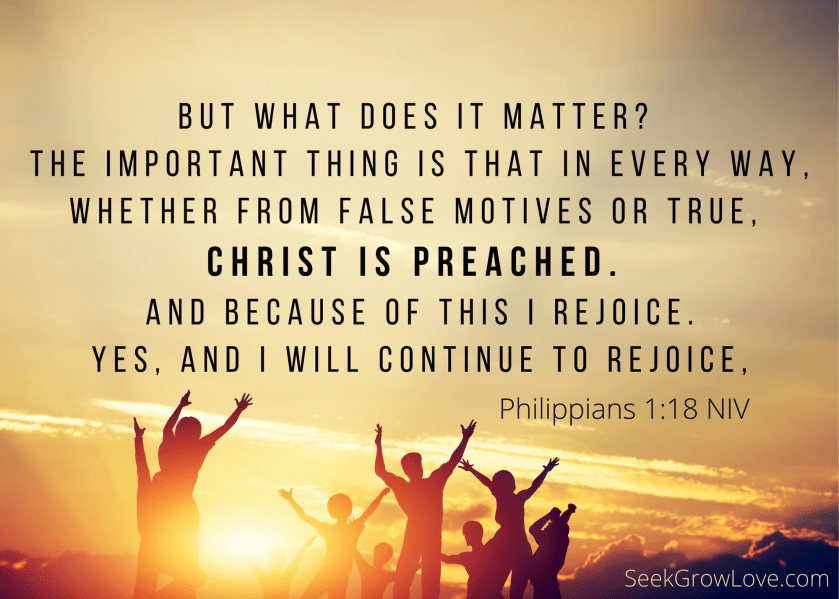
“In every way, whether from false motives or true, Christ is preached. And because of this I rejoice.” 

Do you get sidetracked, sometimes, worrying about the motives of others? I know I do. I’m frequently suspicious. And I must force myself to ask, as Paul does, “What does it matter?” So long as the gospel message is preached, I should rejoice. 

Verses 27-30: Paul encourages the Philippian church to stay on track. No matter what happens, be concerned first that the gospel is preached in your words and in your actions. Don’t be distracted by those who oppose you or by those who may have false intentions. Live a life that glorifies Christ and spreads the message of the kingdom.

Are you distracted by the negative voices and actions in your life? Have you lost focus? The gospel of Christ is first!  Are you conducting yourself “in a manner worthy of the gospel of Christ”? What adjustments do you need to make in your life to be a better representative of the kingdom? 

As your sister in Christ, I’m praying over you now that you find encouragement in whatever your situation is. I pray that you are able to defend and confirm the gospel in your actions and your words. I pray that you find support in your fellow believers to continue on in your important task of spreading Christ Jesus to others, and that you do so without distraction! Let’s continue to advance the gospel together. I love you!

-Jenn Haynes

Reflection Questions

  1. See above – lots of great questions in Jenn’s devotion

Remember How He Told You…

Old Testament: 2 Kings 22

Poetry: Psalm 87

New Testament: Luke 24

The Resurrection Story is one of the most beautiful stories ever written, and the best part is, it’s even true! It is a part of a plan written by God and fulfilled through Jesus by his obedience to death on the cross all those years ago. There was purpose in this suffering: so that the sins of the world could be forgiven. There is purpose in every season. Likewise there was purpose in his life of ministry and ultimately purpose in his resurrection. All the seasons of his life brought about God´s perfect and pleasing will. God can use anything and everything for His good. Even pain and suffering. Even a blood-stained cross. Even the death of His precious son.

Jesus knew what he was called to do and he followed through, he died on the cross for our sins. For three days the world was without hope. At the time they all believed that a Savior would come with sword and shield to bring victory over the Romans. It would then make sense that they would reject Jesus as their Messiah because his entire life and tragic death was the exact opposite as how they expected their Savior to come. Thankfully though, God gives us what we need not what we think we want. 

Although Jesus´ disciples were plainly told all the things that were to take place including the hope of Jesus´ resurrection, there was no anticipation of his return because they had forgotten that God´s plans are larger than life- even larger than death, Jesus´ death. They hoped that Jesus would be the one to redeem Israel. Not only did he redeem Israel, but the world, just not in the way they believed it would happen. 

Someone asked me recently what my passions were. But it got me thinking, how do my passions and talents fit together into God´s grand plan? How do I fit into His story? The women who first found the tomb empty were staying focused on doing their ministry. Likewise the disciples all took part in the Great Commission, being witnesses of all that had happened. After Jesus´ ascension they set out to spread the gospel even to the point of becoming martyrs. How can I use where I am in life and who I am in Christ to further God’s plan?

Jesus entrusted his entire life- even life itself- into God´s hands. And it wasn´t without God´s response to Jesus´ obedience. The process is like the call and response section in the back of the hymn books. Back and forth between God and His people. It started in the beginning with God when he created the world and everything in it and brought forth the plan of salvation. Jesus already did his part by dying on the cross, and is now continually interceding for us to God. It’s our turn to call on God and turn our life into a living sacrifice in order for Him to respond in immeasurable ways. Jesus submitted to God´s will and God answered by raising him from the grave. In the same way I believe we as Christians are expected to follow the example Jesus set before us of obeying God’s calling for our life. Use the God-given talents and the passions he has placed on your heart to live for Him, serving Him wholeheartedly. And in God´s timing, His will and His ways will prevail.

-Makayla Railton

(originally posted for SeekGrowLove on April 4, 2021)

Reflection Questions

  1. Do you agree that the resurrection of Jesus is one of the best true stories ever?  What should your response be?
  2. Most of Jesus’ closest followers soaked up every word he spoke and were convinced he was the Messiah, but their faith faded fast when something seemed to go very wrong, and they forgot what he taught about his resurrection.  Is your faith strong enough to make it through the tough times? How can you work at remembering what he taught?
  3. Jesus’ resurrection can give people great hope about the future, but only if they believe.  The story is absolutely meaningless to those who haven’t made the decision to follow God.  Have you? Is there a loved one in your life that needs to hear about the good news?

In Times of Spiritual Decline

Old Testament: 2 Kings 21

Poetry: Psalm 86 (last of 4 days)

New Testament: Luke 23


Scripture:
“He did evil in the eyes of Yahweh according to the detestable things of the nations whom Yahweh drove out before the Israelites.” — 2 Kings 21:2 (LEB)
“Listen, Yahweh, to my prayer, and attend to the voice of my supplications.” — Psalm 86:6 (LEB)
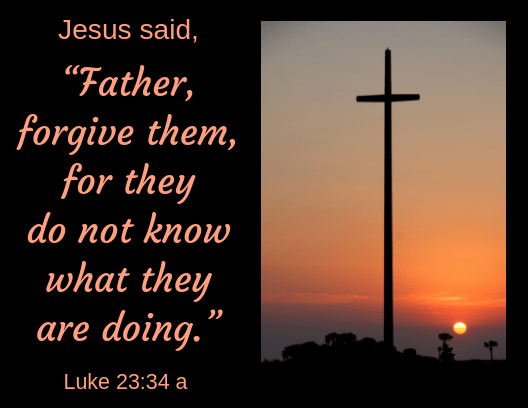
“And Jesus said, ‘Father, forgive them, for they do not know what they are doing.’ And they cast lots to divide his clothes.” — Luke 23:34 (LEB)


2 Kings 21 describes the reign of Manasseh, who led Judah into idolatry and wickedness, turning away from the faithfulness of his father, Hezekiah. Manasseh’s actions had devastating consequences for Judah, but even in the midst of such darkness, we can find lessons of hope and redemption when we look at the prayers of Psalm 86 and the forgiveness offered by Jesus in Luke 23.


Manasseh’s reign was marked by the restoration of idolatrous practices that his father had abolished. He erected altars to Baal, worshipped the stars, and desecrated the temple by placing an idol within it. His actions not only provoked God’s anger but also led the people of Judah into deep sin and rebellion against God.


Manasseh’s actions demonstrate the destructive power of idolatry and disobedience. When we turn away from God and pursue false gods, it leads to moral and spiritual decay. Psalm 86 is a heartfelt plea for God’s attention and mercy. In times of spiritual decline, prayer becomes a vital connection to God, seeking His guidance and forgiveness. Despite the evil of Manasseh’s reign, the story of Jesus on the cross in Luke 23 reminds us of the power of forgiveness. Jesus’ prayer for those who crucified Him highlights God’s boundless grace and the possibility of redemption even for those who have strayed far from Him.

-Jeff Ransom


Reflection Questions:


Are there any “high places” or idols in your life that you need to remove to fully commit yourself to God?

How can the prayers of Psalm 86 inspire you to seek God more earnestly and sincerely in your daily life?

How does Jesus’ example of forgiveness on the cross in Luke 23 challenge you to extend grace and forgiveness to others?


This week, reflect on the life and reign of Manasseh, and consider how you can remain faithful to God. Seek to remove any idols and influence others toward righteousness. Let the prayers of Psalm 86 inspire your own prayers, and remember the forgiveness and redemption offered through Jesus Christ.

Trusting Prayers

Old Testament: 2 Kings 20

Poetry: Psalm 86

New Testament: Luke 22


Scripture:
“Return, and say to Hezekiah the leader of my people, ‘Thus says Yahweh, the God of David your ancestor: “I have heard your prayer; I have seen your tears. Look, I am about to heal you. On the third day you shall go up to the temple of Yahweh.”’” — 2 Kings 20:5 (LEB)
“Listen, Yahweh, to my prayer, and attend to the voice of my supplications.” — Psalm 86:6 (LEB)
“Father, if you are willing, take away this cup from me. Nevertheless, not my will but yours be done.” — Luke 22:42 (LEB)


In 2 Kings 20, King Hezekiah is faced with a life-threatening illness. His immediate reaction is to pray earnestly to God, and God responds with compassion, healing, and an extension of his life. This powerful story of prayer and divine intervention resonates deeply with themes found in Psalm 86 and Luke 22, reminding us of the importance of prayer, God’s compassion, and surrendering to His will.


When the prophet Isaiah tells Hezekiah to prepare for his imminent death, Hezekiah turns to God in earnest prayer and weeping. God hears his prayer and responds with a message of healing and an additional fifteen years of life. This account underscores the power of heartfelt prayer and God’s readiness to respond to His people’s cries.


Psalm 86:6 echoes the sentiment of Hezekiah’s plea: “Listen, Yahweh, to my prayer, and attend to the voice of my supplications.” This verse highlights the assurance that God listens to our prayers and attends to our supplications. Hezekiah’s experience validates this promise, showing us that God is attentive to our deepest needs and concerns.


In Luke 22:42, Jesus prays in the Garden of Gethsemane, expressing His desire to avoid suffering but ultimately surrendering to God’s will. This prayer, “Nevertheless, not my will but yours be done,” mirrors Hezekiah’s trust in God’s plan. Even in our most desperate moments, we are called to trust God’s sovereignty and submit to His will, just as Hezekiah and Jesus did.


Hezekiah’s sincere prayer, Psalm 86’s plea, and Jesus’ prayer in Gethsemane all highlight the importance of coming to God with our deepest concerns. God listens and responds with compassion and grace. God’s response to Hezekiah’s prayer and Jesus’ submission to the Father’s will reveal His compassionate nature and sovereign authority. He understands our struggles and holds ultimate control over our lives. Hezekiah’s trust in God’s healing power and Jesus’ surrender to the Father’s will teach us to trust God fully and submit to His plans, even when we face difficult circumstances.

-Jeff Ransom


Reflection Questions:


How do you typically respond to difficult news or situations? How can you make prayer your first response?

In what areas of your life do you need to trust more fully in God’s sovereignty and compassion? How can Hezekiah’s and Jesus’ examples encourage you to pray more earnestly and surrender to God’s plan for your life?


This week, reflect on these questions and consider how you can deepen your prayer life and trust in God’s compassion and sovereignty. Turn to Him with your concerns, knowing that He hears and cares for you.

Dependence which Brings Hope

Old Testament: 2 Kings 19

Poetry: Psalm 86

New Testament: Luke 21


Scripture:
“So now, Yahweh our God, save us, please, from his hand, so that all the kingdoms of the earth may know that you, Yahweh, you alone, are God.” — 2 Kings 19:19 (LEB)
“Teach me, O Yahweh, your way, that I may walk in your truth; unite my heart to fear your name.” — Psalm 86:11 (LEB)
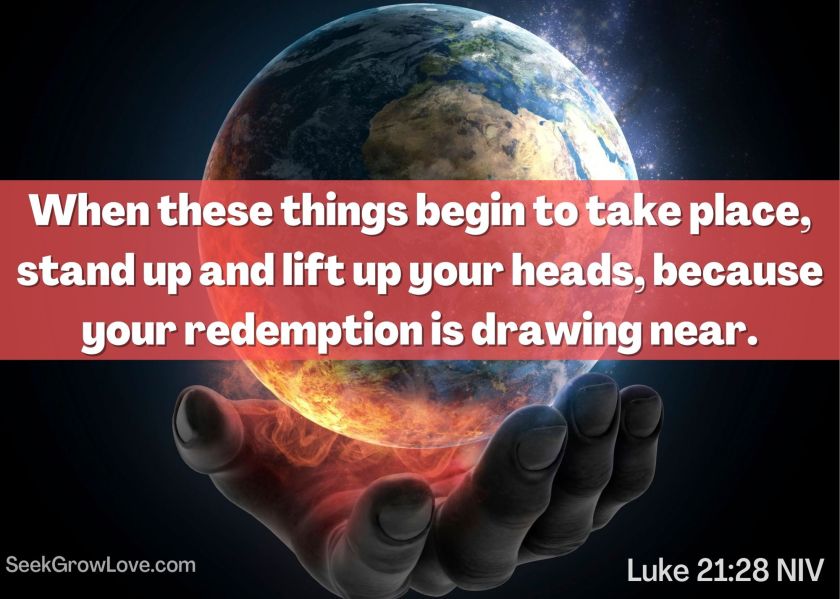
“Now when these things begin to happen, stand up straight and raise your heads, because your redemption is drawing near!” — Luke 21:28 (LEB)


In 2 Kings 19, King Hezekiah faces a seemingly insurmountable threat from the Assyrian king, Sennacherib. Instead of succumbing to fear or relying on his own strength, Hezekiah turns to God in prayer, seeking divine intervention and deliverance. This theme of seeking God in times of distress is echoed in Psalm 86 and Luke 21, offering us a comprehensive understanding of faith, humility, and hope.


When confronted with Sennacherib’s threats, Hezekiah’s first response is to seek God. He spreads the threatening letter before God in the temple and prays for deliverance, not only for the sake of Judah but also for God’s glory to be known among all nations. Hezekiah’s prayer exemplifies humble dependence on God and a desire for His name to be exalted.


Psalm 86 reflects a similar heart of dependence and trust in God. David’s prayer, asking God to teach him His way and unite his heart to fear God’s name, mirrors Hezekiah’s desire for God’s guidance and intervention. Both prayers highlight a deep reliance on God’s wisdom and sovereignty in navigating life’s challenges.


In Luke 21, Jesus speaks about the end times and encourages His followers to stand firm and look up, for their redemption is near. This message of hope and anticipation ties into Hezekiah’s situation, where trust in God’s deliverance leads to ultimate salvation. It reminds us that, no matter how dire our circumstances, God’s redemption and intervention are always near.


Hezekiah’s immediate response to crisis is to turn to God in prayer. This act of faith underscores the importance of seeking God first in our times of need, trusting in His power and sovereignty. By spreading out the letter before God, Hezekiah shows his complete dependence on God. Similarly, Psalm 86 calls us to seek God’s guidance and unite our hearts to fear His name. Jesus’ words in Luke 21 encourage us to stand firm and look up, for our redemption is near. Hezekiah’s trust in God’s deliverance and the anticipation of God’s intervention are powerful reminders of God’s faithfulness and sovereignty.

-Jeff Ransom


Reflection Questions:


When faced with a crisis, what is your first response? How can you make seeking God in prayer your immediate reaction?

In what areas of your life do you need to humble yourself and depend more fully on God’s strength rather than your own?

How can you live in a way that brings glory to God, showing others that He alone is sovereign and that His redemption is near?

This week, reflect on these questions and consider how you can seek God more earnestly in your times of need. Trust in His power and sovereignty, and live in a way that brings glory to His name.

Hezekiah, David & Jesus

Old Testament: 2 Kings 18

Poetry: Psalm 86

New Testament: Luke 20

Scriptures:
“He trusted in Yahweh the God of Israel, so that after him there was none like him among all the kings of Judah, nor among those who were before him.” — 2 Kings 18:5 (LEB)
Psalm 86: “Teach me, O Yahweh, your way, that I may walk in your truth; unite my heart to fear your name.” — Psalm 86:11 (LEB)
Luke 20: “And Jesus said to them, ‘Render to Caesar the things that are Caesar’s, and to God the things that are God’s.'” — Luke 20:25 (LEB)


In 2 Kings 18, Hezekiah’s trust in God stands as a powerful example of faith and commitment to God. By removing idols and leading Judah back to true worship, Hezekiah’s actions reflect a heart fully devoted to God. This theme of wholehearted devotion is echoed in Psalm 86 and Luke 20, tying together a comprehensive understanding of what it means to trust and honor God.
Hezekiah’s reforms in Judah were driven by his deep trust in God. He actively sought to purify his kingdom from idolatry, demonstrating his dedication to God’s ways. His trust was not merely a passive belief but a driving force that led to decisive action and comprehensive reform.


Psalm 86 is a prayer of David, asking God to teach him His way so that he might walk in truth. David’s plea to unite his heart to fear God’s name resonates with Hezekiah’s life. Both show a desire to align their hearts and actions with God’s will, seeking His guidance and truth in all things.


In Luke 20, Jesus teaches about giving to Caesar what belongs to Caesar and to God what belongs to God. This teaching emphasizes the importance of recognizing our ultimate allegiance to God. Just as Hezekiah dedicated his reign to purging Judah of idolatry and leading the people back to God, we are called to dedicate our lives to honoring God above all else.


Hezekiah, David, and Jesus all highlight the importance of wholehearted devotion to God. This involves seeking His ways, trusting Him fully, and ensuring that our lives reflect His truth. Hezekiah’s actions in Judah show that true faith leads to action. Similarly, Psalm 86 and Luke 20 call us to live out our faith in practical ways, aligning our lives with God’s will and giving Him our full allegiance. Seeking God’s guidance, as David does in Psalm 86, and understanding our duty to God, as taught by Jesus in Luke 20, are essential aspects of living a life that honors Him. We are to learn His ways, walk in His truth, and render our lives to Him.

– Jeff Ransom


Reflection Questions:


Are there any areas in your life where you need to seek God’s guidance to walk more fully in His truth? How can you actively demonstrate your trust in God through your actions, like Hezekiah did? What does it mean to you to render to God what is God’s, and how can you live this out in your daily life?
This week, reflect on these questions and take steps to deepen your devotion to God. Seek His guidance, trust in His ways, and ensure that your actions align with His truth.

Waiting & Acting

Old Testament: Micah 7

Poetry: Psalm 85 (day 2)

New Testament: Luke 19


“But as for me, I will look to Yahweh; I will wait for the God of my salvation. My God will hear me.” — Micah 7:7 (LEB)


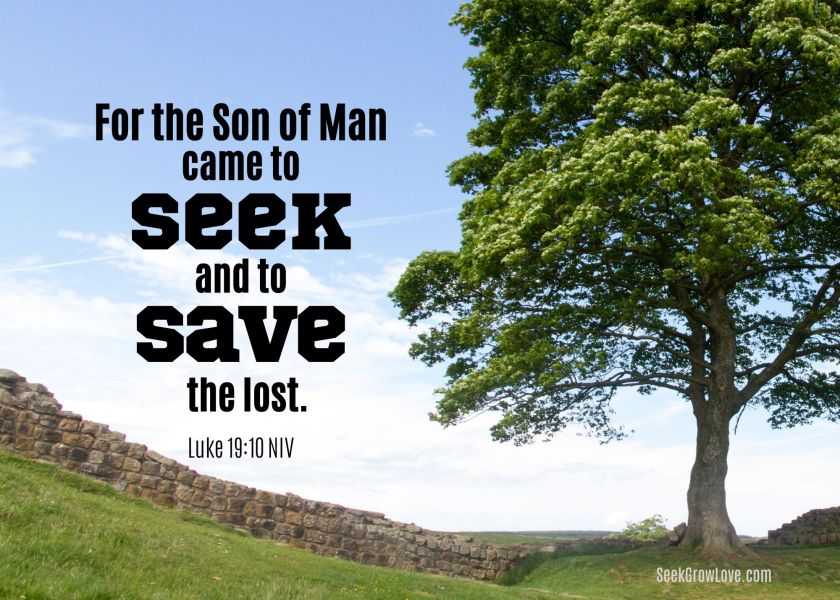
“For the Son of Man came to seek and to save the lost.” — Luke 19:10 (LEB)


In a world often overwhelmed by corruption and despair, both Micah 7 and Luke 19 offer us powerful messages of hope and redemption. These passages remind us that no matter how bleak our circumstances may seem, God’s love and salvation are always within reach.


Micah 7 depicts a society engulfed in sin and injustice. The prophet agonizes over the overwhelming corruption, yet he chooses to watch in hope for God. Micah’s confidence is not rooted in the present circumstances but in the unchanging nature of God. He waits patiently for the God of his salvation, assured that God will hear him.


In Luke 19, we see the fulfillment of the hope that Micah clung to. Jesus encounters Zacchaeus, a tax collector despised for his dishonest, corrupt ways. Despite Zacchaeus’ reputation, Jesus seeks him out, calling him by name and choosing to stay at his house. This act of grace leads to Zacchaeus’ repentance and transformation. Zacchaeus’ story vividly illustrates Jesus’ mission: to seek and save the lost.


Both Micah and Zacchaeus found their hope in God. Micah trusted in God despite his society’s moral decline, while Zacchaeus found redemption through an encounter with Jesus. We, too, are called to place our hope in God, trusting in His promise of salvation. Zacchaeus’ transformation shows the power of God’s grace. No one is beyond redemption; Jesus seeks us out, offering a chance for a new beginning. Our lives can be profoundly changed when we come to God through Jesus. Micah’s patient waiting for God’s salvation and Zacchaeus’ immediate response to Jesus’ call both demonstrate the importance of faith in action. We must wait with hope, but also be ready to act in response to God’s call.

-Jeff Ransom


Reflection Questions:

  1. How can you place your hope in God amid the challenges and uncertainties in your life?
  2. In what areas of your life do you need to experience the transformative power of God’s grace?
  3. How can you be a faithful steward of the resources and opportunities God has entrusted to you, making Him known, while actively waiting for His guidance?


This week, consider these questions and take steps to deepen your relationship with God, embodying the hope and transformation He offers to all who seek Him through Jesus.